


An edifice of charity









 |
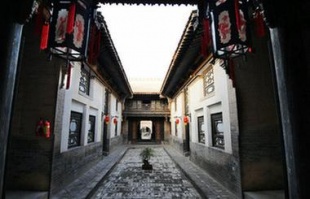
| The Li Family Courtyard in Wanrong county, 38 kilometers from Yuncheng city, Shanxi province, is less-known to the public but is among the area's best-preserved manors. [Photo provided to China Daily] |
Farmers covered the stone, brick and wooden carvings with mud and plaster to protect the residence from Red Guards during the "cultural revolution". They sank the stone tablets in the pond and disguised the wooden plaques as bed boards. They believed these may be valuable later.
They were right.
The family's legacy of giving is literally written on the wall, where bricks are carved with 365 renderings of the character shan-meaning charity-in different writing styles.
Most merchants would instead adorn screens with characters for wealth and longevity.
Philanthropy is also a major theme of the over 100 couplets that hang in the residence.
In the 1820s, the 13th generation of the Li family fled famine from neighboring Shaanxi province and came to reside in Yanjing village. The family's head, Li Wenbing, sold homemade cloth, baskets and dustpans. The three items still hang high in the family's ancestral temple to remind descendants of the family's origins.
Li Wenbing later transported cloth and cotton from Central China to northern Shaanxi, where it was sold for higher prices.
The business' golden period was from 1862 to 1937, when the family ran over 100 shops retailing food, medicine and textiles in 15 provinces. It operated in Xinjiang's Kashgar in the west to Shanghai in the east, and from Hohhot in the north to Changsha in the south.
The family paid special attention to goods' quality, shop assistants' service and reasonable pricing. Most revenue was spent expanding the business and charity.
Part of the reason for the philanthropic tradition is to repay the kindness of Yanjing's villagers when they arrived as impoverished refugees.
The Li family organized at least six large-scale disaster-relief projects during droughts from 1877 to 1938. Even after they fled because of war in 1938, they borrowed money to buy food for Shaanxi's refugees.
Unlike other rich families' charities, the Lis food stalls remained open until the next harvest, when the farmers would have enough to eat.