


National policy gives new impetus to Chinese TV industry









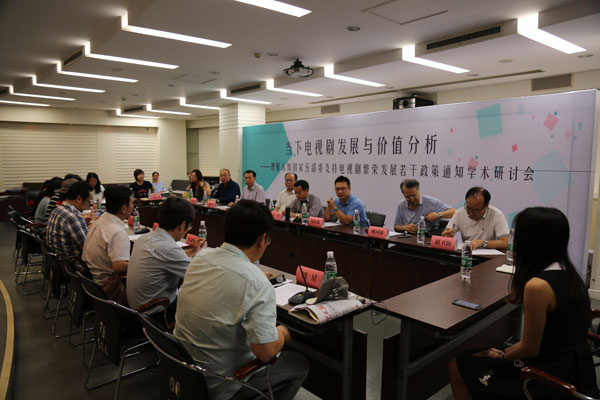 |
| A seminar titled “The Growth and Value Analysis of Modern TV Industry” was held in Beijing on September 8. [Photo provided to chinadaily.com.cn] |
On September 4, five Chinese ministries and commissions, including China’s State Administration of Press, Publication, Radio, Film and Television (SAPPRFT), National Development and Reform Commission, the Ministry of Finance and the Ministry of Commerce, as well as the Ministry of Human Resources and Social Security, jointly issue the Circular on Some Policy Regulations to Support the Booming of China’s TV Industry in a bid to build a positive environment for TV producing and discuss inside problems that needed to be solved urgently.
Against such a backdrop, a seminar titled “The Growth and Value Analysis of Modern TV Industry”, organized by the School of Arts and Communication of Beijing Normal University, was held in Beijing on September 8.
A total of 18 experts and scholars were invited to discuss a series of related issues, including script writing, TV producing, investment introduction, marketing and promoting.
Now, let’s see what they say at the seminar.
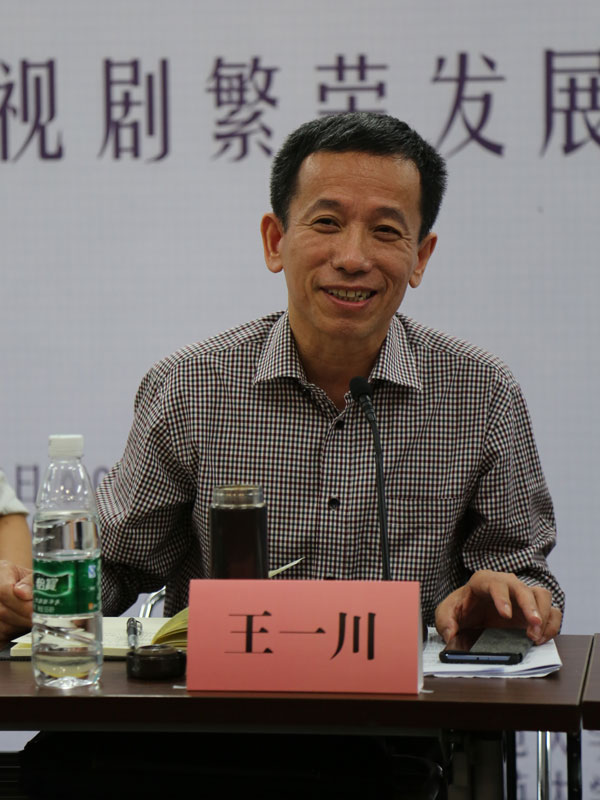 |
| Wang Yichuan [Photo provided to chinadaily.com.cn] |
Wang Yichuan, Director of the School of Arts, Peking University
“TV drama, film and pop music represent three common art forms in China,” Wang said.
“Many middle-aged and elderly people still like to watch TV dramas in their spare time. Therefore, the development of the TV industry is closely linked with the daily life of quite a few Chinese people.”
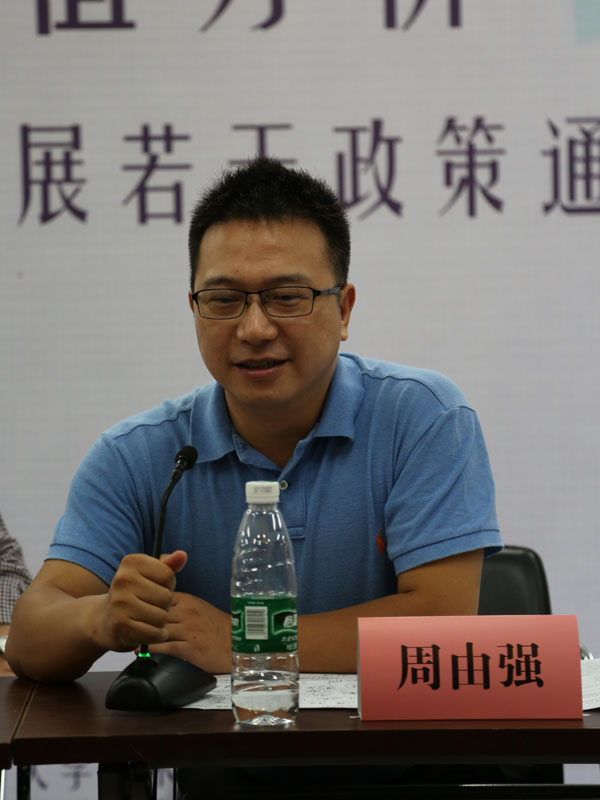 |
| Zhou Youqiang [Photo provided to chinadaily.com.cn] |
Zhou Youqiang, Deputy Secretary-General of China Literature and Art Critics Association
“China usually produces more than 15,000 episodes per year,” Zhou said.
“However, just half of them can be broadcasted in the TV channel at last, leading to the vicious circle in drama producing.
“If the new national policy could tackle this problem, Chinese TV market is bound to boom in the future.”
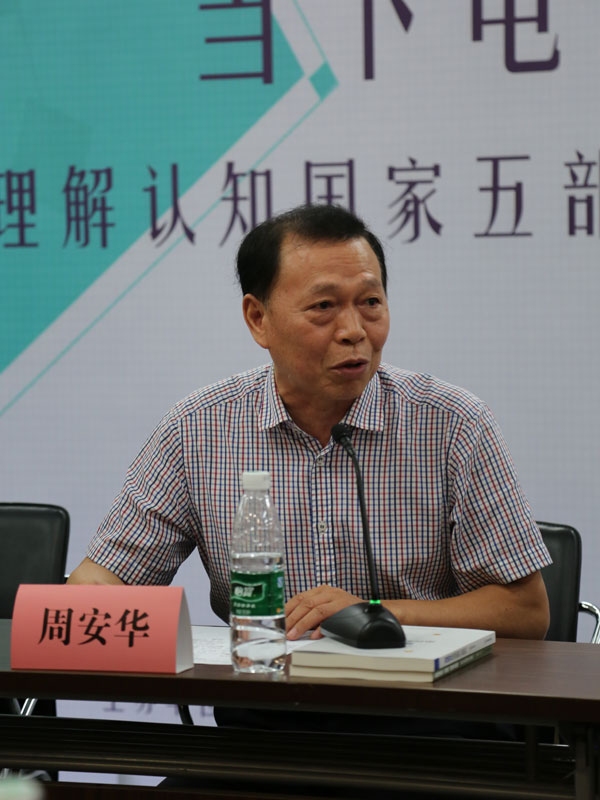 |
| Zhou Anhua [Photo provided to chinadaily.com.cn] |
Zhou Anhua, Professor from Nanjing University
“Chinese TV industry should better reflect the reality of modern society,” Zhou said.
“The great success of mega-hit dramas, including Ode To Joy and The First Half of My Life, are not coincidences. A good drama should suit both refined and popular tastes.”
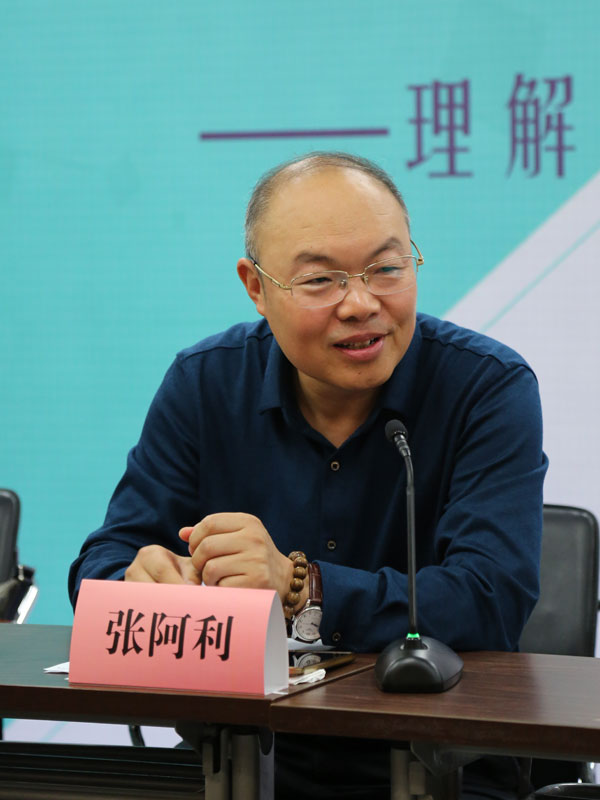 |
| Zhang A’li [Photo provided to chinadaily.com.cn] |
Zhang A’li, Professor from Northwest University
“The reputation of the actress or actor should not be the decisive factor of producing a drama; instead, the content should be."
"Meanwhile, related regulations or laws should be made to guarantee the healthy development of the industry.”
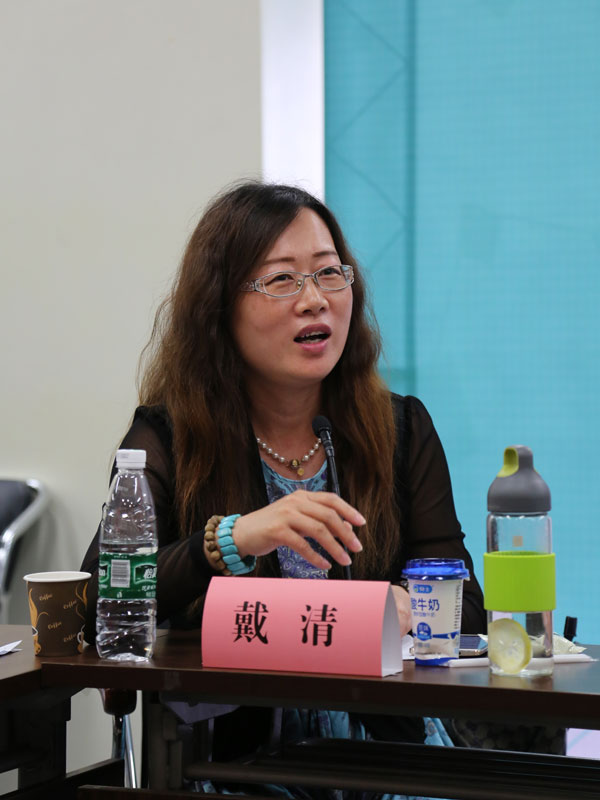 |
| Dai Qing [Photo provided to chinadaily.com.cn] |
Dai Qing, Professor from Communication University Of China
“The skyrocketing pay packages handed out to China's film and television celebrities have already become the barrier for the TV industry,” Dai said.
“The stunningly high remuneration received by high-profile actors doesn't necessarily translate into a quality blockbuster, as it leaves no leeway for post-production.
“The distorted film-television industry needs a strong hand to draw it back on to the right tracks.”
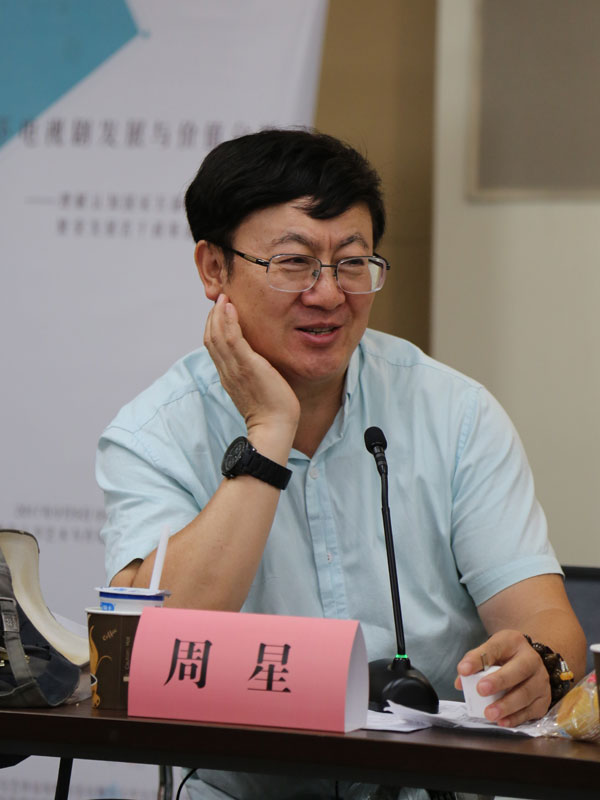 |
| Zhou Xing [Photo provided to chinadaily.com.cn] |
Zhou Xing, Professor from Beijing Normal University
“There is a long way to go before China turns itself from a major drama producing country into a world drama power,” Zhou said.
“The TV drama is an integrated part of China’s ‘Cultural Confidence’, and we should not ignore its big role in the future.”
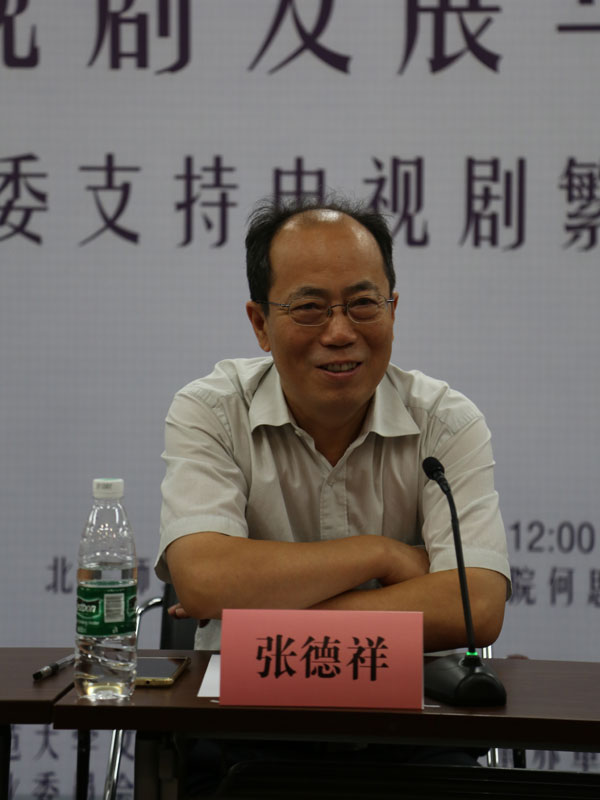 |
| Zhang Dexiang [Photo provided to chinadaily.com.cn] |
Zhang Dexiang, Vice-president of China Literature and Art Critics Association
“The core of producing TV is to promote Chinese spirit and culture,” Zhang said.
“In the current stage, only a few TV makers can successfully integrate Chinese cultural icons into TV stories.”
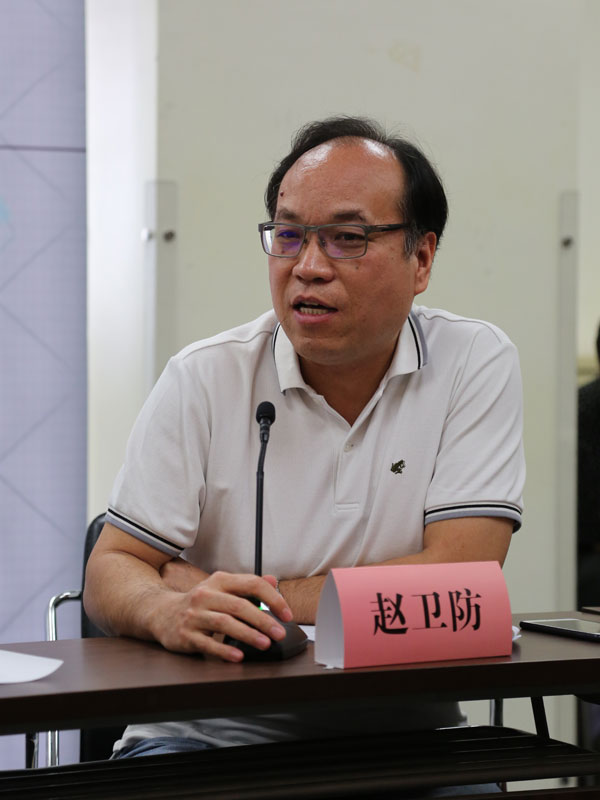 |
| Zhao Weifang [Photo provided to chinadaily.com.cn] |
Zhao Weifang, Associate director of Television and Film Department, Chinese National Academy of Arts
“Chinese TV producing should focus on three aspects: Major revolutionary and historical events, modern real life and Chinese country development,” Zhao said.
“Also, TV viewers should gain something positive after watching the drama as the TV drama is not equal to soap opera.”
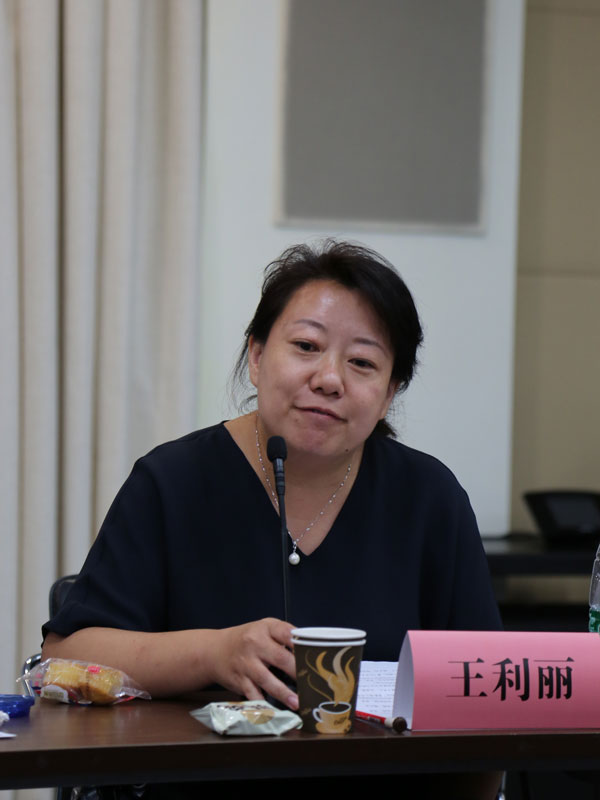 |
| Wang Lili [Photo provided to chinadaily.com.cn] |
Wang Lili, Professor from Communication University of China
“In the 21st century, we can no loner ignore the big shock internet has caused to our life,” Wang said.
“Many young people now watch TV dramas on the internet, therefore, how to take advantage of the internet to boost Chinese TV industry is an issue that needs to be thought carefully.”