Nikon's struggles serve as a lesson of the times









Industries that fail to transform and upgrade, be it for a lack of foresight or proper planning, will eventually be eliminated
Optics and imaging giant Nikon recently announced that it would close its subsidiary Nikon Imaging China Co as part of its restructuring, which began in November last year to cope with the shrinking demand for compact digital cameras.
"In recent years, ... due to the rise of smartphones, the compact digital camera market has been shrinking rapidly, leading to a significant decrease in the operating rate at the NIC and creating a difficult business environment," Nikon said in a statement.
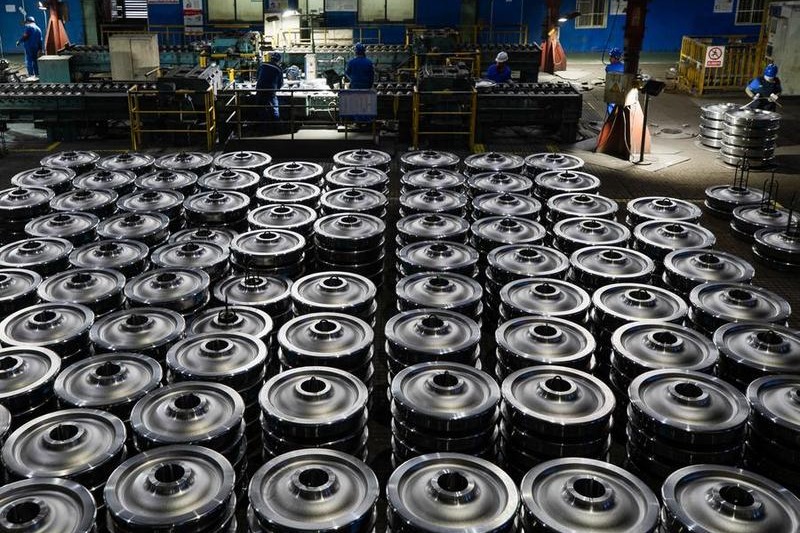
Established in Wuxi, Jiangsu province, in July 2002, the Nikon subsidiary has been making compact digital cameras, lenses and other components. Since China is a large market for cameras, NIC's sales subsidiary in Shanghai will continue its operations; so will Nikon's manufacturing and sales subsidiaries in China.
Nikon digital cameras were once favored by professional photographers and laymen alike. A Nikon camera used to be regarded as a symbol of the user's social and financial status, and it was the top choice of some professional photographers. It is sad, therefore, to see Nikon struggling to survive due to a sharp decline in its market share within a few years.
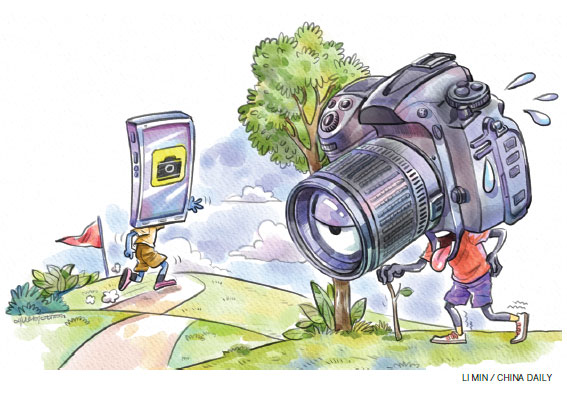
Some attribute Nikon's predicament to smartphones, and Nikon itself thinks so. The popularity of smartphones is indeed one of the major causes of the problem facing digital camera-makers today, similar to what traditional camera-makers faced when digital cameras became popular. But judging from the actual conditions, the popularity of smartphones is not the main reason for the sharp decline in the sales of digital cameras and their shrinking market share. Instead, the main reason is the structural reform in global manufacturing.
The global financial crisis exposed not only the bubbles in global financing and other areas, but also issues such as excessively fast development of the virtual sector, squeezing of manufacturing, a deteriorating global supply-demand relationship and low-quality and inefficient supply.
The emergence of intelligent products and their increasing popularity have caused unprecedented problems for some traditional sectors. For example, mobile phones have been around for more than two decades, but cameras were still a necessity for people interested in photography until a few years ago, because cellphones in the past didn't have built-in cameras. Smartphones, however, can perform the "exclusive functions" of cameras and have become extremely popular. That's why, except for professional or avid photographers, people prefer to use a smartphone to take photographs.
Compared only in terms of intelligent functions, digital cameras are not inferior to smartphones. In fact, a digital camera's functions as far as photography is concerned are far superior to those of smartphones. However, a digital camera has no other function besides taking photos, whereas smartphones are used to make phone calls (ostensibly its primary function), send text messages, surf the internet and participate in social media platforms such as WeChat. As such, ordinary consumers find a smartphone more convenient and cost-effective than a digital camera.
Other products, too, could meet the fate of digital cameras if they are not developed to suit the requirements of consumers. Likewise, some vocations could become history if people engaged in them do not acquire new skills and add value to their profession in this rapidly developing "age of intelligent products".
The "intelligent era" will have a huge impact on other sectors, too. Industries and products developed on the strength of "traditional" technologies have proved most vulnerable to intelligent technologies. A new industry, especially if its products and their functions are popular, has always put huge pressure and created big challenges for existing industries, and industries that fail to transform and upgrade, be it for a lack of foresight or proper planning, will eventually be eliminated from the market.
Nikon announced its restructuring plan in November last year. Details of the plan remain unknown, but one thing is certain: Traditional enterprises such as Nikon must adapt to the ever-changing market and consumers' needs to survive, let alone thrive. This should also be a lesson for Chinese enterprises.
This article was first published in Beijing Youth Daily. The views do not necessarily reflect those of China Daily.
(China Daily European Weekly 11/10/2017 page12)






Today's Top News
- Xi congratulates Ouattara on re-election as president of Cote d'Ivoire
- Supercarrier to be put through paces
- Game changers for China's sports industry
- EU should not give platform to 'Taiwan independence' separatists
- Nation drives global energy transition
- Tariff-troubled US fears not-so-happy holidays