The toilet revolution









 |
| A woman pushes a wheelchair with an elderly woman up a ramp to a public toilet in Suzhou, Jiangsu province, last year. Yang Lei / Xinhua |
The humble public potty has the potential to boost tourism and set the pace in the country's broad campaign to upgrade products made in China.
President Xi Jinping called on Monday for continued efforts to upgrade the country's toilets as part of an ongoing "toilet revolution" campaign. But why has China started this campaign, and why has its top leader personally spoken out on this seemingly petty issue? Xi's latest instructions provide some answers.
To understand it better, it's necessary to look into what Chinese toilets were in the past and the far-reaching impact of the revitalization project.
Although China has become the world's second-largest economy, some toilets in poor rural areas are still little more than makeshift shelters surrounded by cornstalks, while others are open pits next to pigsties, leading to problems such as contamination and pollution from human waste.
While living standards in cities have drastically improved with China's stellar economic growth, more attention is needed to improve the living environment for the country's 600 million rural people.
That is why the government has invested big to build new toilets in the poorest parts of the country. From 2004 to 2013, the investment totaled 8.27 billion yuan ($1.25 billion). By the end of 2015, some 75 percent of rural homes had flush toilets or dry toilets with underground storage tanks that had walls, roofs, doors, and windows, and were at least 2 square meters in size.
But obviously it's not enough. China launched a "toilet revolution" nationwide in 2015 to make such facilities cleaner and more regulated.
As toilets are a part of everyday life and affect everyone, the Chinese government, which has promised to dedicate itself to the well-being of all citizens, must squarely face the problem.
During visits to rural areas, Xi has asked local residents about the toilets they use, and has stressed repeatedly that clean toilets for rural residents are important for building a "new countryside".
While China has rich tourism resources, unhygienic toilet facilities at the country's tourist sites have long been a big put-off for visitors.
At a time when traditional economic growth drivers are losing steam, China has pinned its hopes on services, including tourism, as a new engine. Improving public facilities at tourist sites has become an urgent task.

- Liaoning fire: Report urges legal action against restaurant operator and seven others
- Historical Han Dynasty slips go on display in Hohhot
- Shanghai unveils steps to build sci-tech innovation corridor in Yangtze River Delta
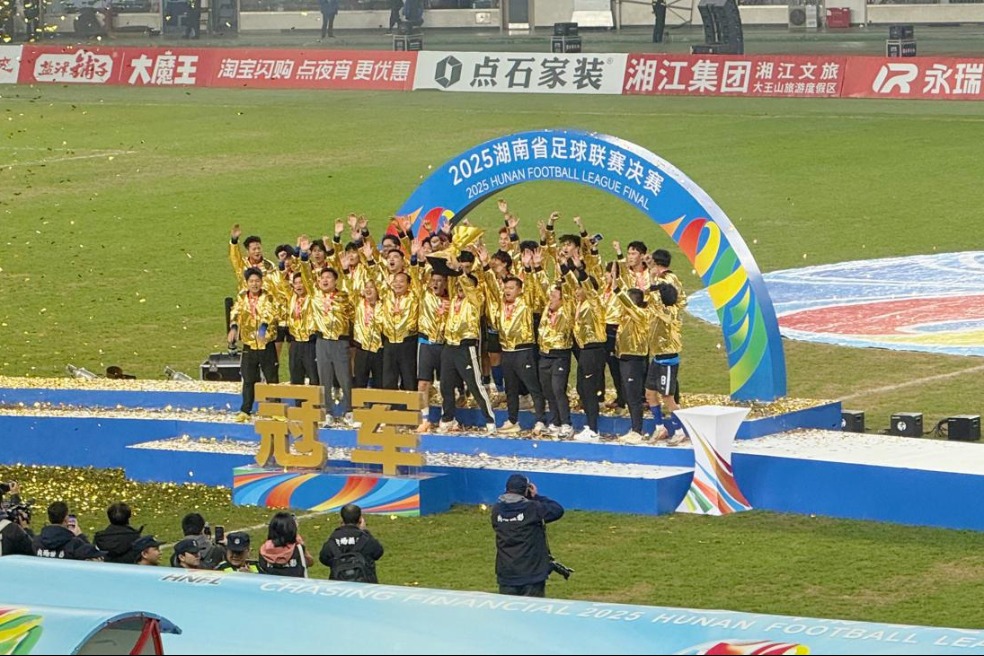
- Xiangchao concludes with Yongzhou claiming championship
- Answers
- CPC leadership meeting urges steadfast implementation of eight-point decision on improving conduct