


Leading the way in fight against cheats









Anyone who still cares about the Olympic ideals of "excellence, respect and friendship" should applaud the pioneering efforts by the China Anti-Doping Agency (CHINADA) to eliminate drug cheating through education, vigilance and punishment.
Over the past several months, instead of merely ramping up testing ahead of the upcoming Winter Games in Pyeongchang, South Korea, Chinese authorities have greatly expanded the innovative Anti-Doping Qualification Program, which requires all national team athletes and coaches to attend lectures and pass written examinations in order to make the final cut.
Beijing-based CHINADA was founded in 2007 with a mandate to bring forward fair, impartial and transparent anti-doping management initiatives.
A big part of its program is aimed at constantly updating would-be Olympians about common medications on the list of banned substances - an area where other nations could follow China's lead.
In many national Olympic programs, the onus is on individual athletes and coaches to keep abreast of ever-changing regulations, which can lead to unintentional breaches.
Olympians spend years planning and training for the chance to win a medal, but risk losing it all by taking something as seemingly innocuous as a common cold medication.
Since the 2010 Vancouver Games, the list of prohibited substances includes not just performance-enhancing drugs like steroids and EPO (erythropoietin, which can increase the amount of red blood cells in the body), but some medications for ADHD (attention deficit hyperactivity disorder) and even flu remedies like Sudafed, which contain pseudoephedrine, a powerful stimulant.
By combining stringent anti-doping education and efficient monitoring with a zero-tolerance policy, CHINADA is setting the standard for reining in what has become the most insidious problem in international sports.
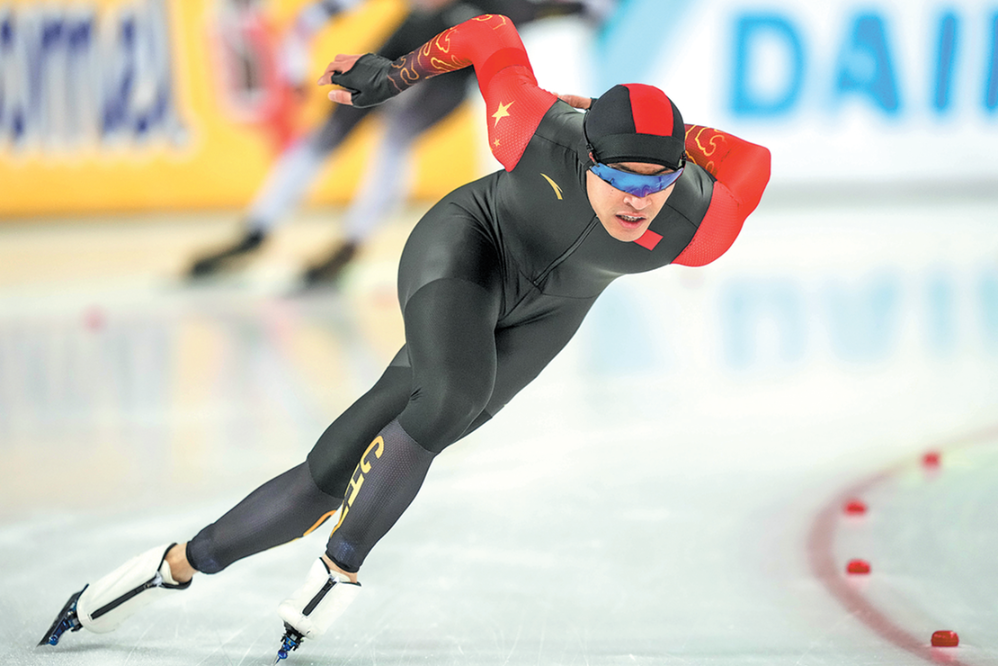
The recent decision to expel speed skater Shi Xiaoxuan from the Chinese team for two years for "dining out without permission" might sound harsh, but after she tested positive for the banned fat-burning substance clenbuterol, the evidence pointed to a contaminated meal. Another speed skater, 2016 Winter Youth Olympics champion Li Yanzhe, was handed a four-year suspension after traces of a steroid were found in his samples 10 months ago.
With Beijing set to host the 2022 Winter Olympics, CHINADA's efforts should go a long way toward distancing the Games from the embarrassment of Sochi 2014
On Dec 4, the International Olympic Committee banned the Russian Federation from competing in Pyeongchang because of a massive post-Sochi doping scandal that revealed more than 100 urine samples were tampered with to conceal evidence of steroid use - something IOC president Thomas Bach described as "an unprecedented attack on the integrity of the Olympic Games and sport".
As a result, more than two dozen Russian athletes have been retroactively disqualified from the Sochi standings and IOC officials are still sorting through the tainted results and rescinding medals. A total of 43 Russians were handed lifetime suspensions, and the Court of Arbitration for Sport will hear their appeals the week of Jan 22.
At Pyeongchang, the Russian hockey team and individual athletes who have proved themselves innocent will compete under the OAR banner ("Olympic Athletes from Russia"), but will not be allowed to fly the nation's flag or play its anthem.
It's not all bad news, however.
For the first time this century, the OAR contingent and every other athlete competing in Pyeongchang will be able kick back and unwind from the pressure of the Games by drinking coffee - now that caffeine is no longer on the banned list.
Contact the writer at murraygreig@chinadaily.com.cn



Most Popular
- On top of their game
- China's sports science institute trumpets national fitness rise
- South Korea's An equals calendar year title record
- Veterans answer the call
- Kyrgios prevails in 'Battle of the Sexes'
- Sanya Marathon draws 14,000 runners from 19 countries and regions