



Cancer drug prices set to drop









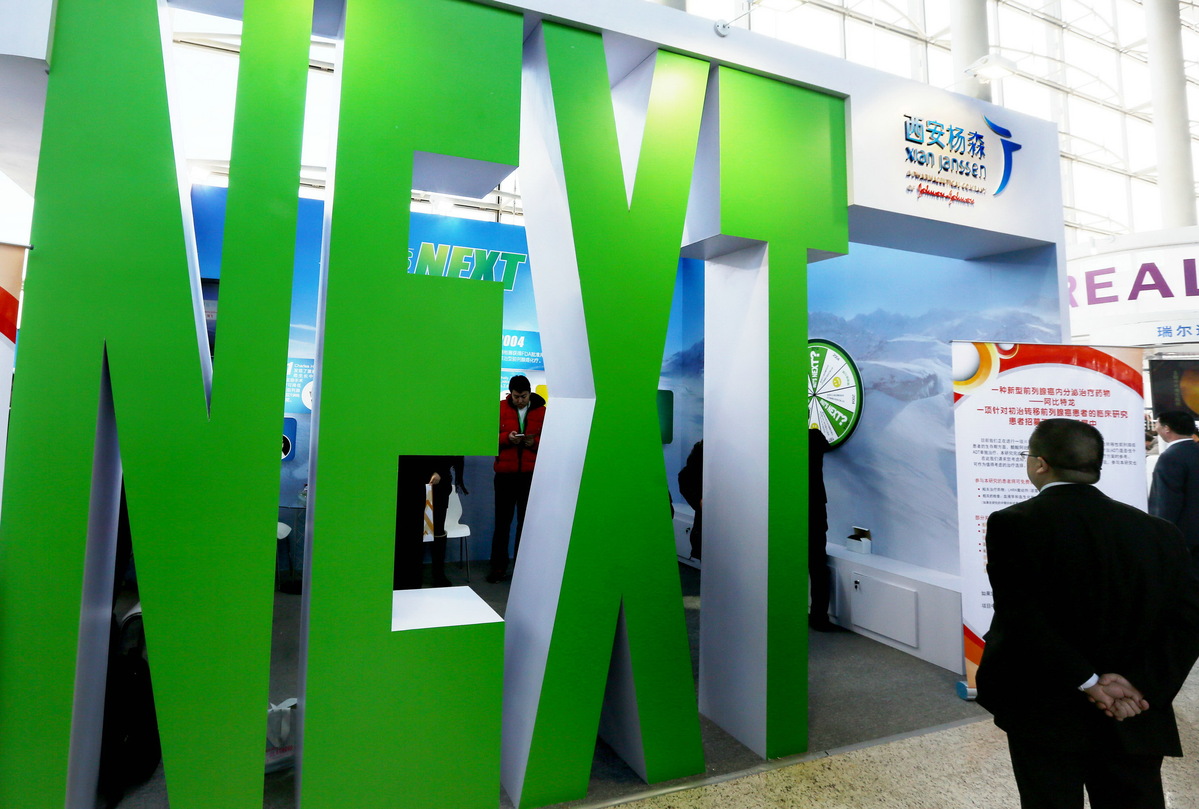
Lower costs will improve access and reduce the financial burden on patients
Pharmaceutical companies are taking positive steps to reduce prices of cancer drugs in response to tariff exemptions and value added tax reductions to improve access to medicines and reduce the financial burden on patients.
China removed import tariffs on cancer drugs from May 1 and lowered VAT from May 3. According to Voice of China, it is estimated that the moves will save patients about 1,000 yuan ($145) a year on average.
On July 25, domestic pharmaceutical enterprise Betta Pharmaceuticals Co Ltd announced that it has reached an agreement with the Ministry of Human Resources and Social Security to lower the price of its product, which combats lung cancer, from 1,399 yuan to 1,345.05 yuan per box.
The agreement is the result of the ministry's recent efforts to negotiate with manufacturers of anti-cancer drugs in 17 categories to promote price adjustments due to zero-tariff policies and VAT cuts.
"The nation has been promoting price cuts of anti-cancer drugs to make drugs more accessible and affordable to the public," Rong Di, deputy director of the Department of Pharmaceuticals at the China Chamber of Commerce for Import& Export of Medicines & Health Products, said during an interview with Securities Daily.
"Enterprises - both foreign and domestic - have lowered the prices of products to answer the call from the government. Meanwhile, it is also part of the companies' development strategies."
Xian Janssen Pharmaceutical Ltd, one of the Janssen Pharmaceutical Companies of Johnson & Johnson, said it will cooperate with central and local authorities to adjust the prices of some of its innovative medicines in China, in response to the State Council's tariff exemption and VAT reduction policies.
"We welcome and support the positive steps taken by the Chinese government to accelerate patients' access to innovative oncology medicines. Our commitment is to ensure cancer patients receive timely access to our treatments and we continue to work with external stakeholders to explore innovative solutions to improve access of those patients most in need," a company spokesperson told China Daily.
Regions in China are also actively responding to the nation's appeal. On July 30, the Health and Family Planning Commission of Hunan Province published a notice stating that enterprises are encouraged to actively submit applications for price adjustments of imported anti-cancer drugs. "Price cuts cannot be lower than the tariff cut," the notice said.
Guangdong Medicine Exchange also issued a guideline to urge pharmaceutical enterprises to submit declarations of anti-cancer drug prices, covering 646 types of medicine, among which 84 are imported.
To date, 15 provincial regions, including Shaanxi, Jiangxi, Hainan, Henan, have joined the action.
Chen Qiaoshan, a medical analyst at Beijing-based internet consultancy Analysys, said that declining prices of anti-cancer drugs in China is an inevitable trend, but the range of price cuts varies.
"Some prices have fallen sharply, while others have not. This is mainly dependent on the amount purchased, and whether the anti-cancer drug can enter the directory of health insurance."
Chen explained that the extent of the price drop is influenced by how many patients are able to access the medicine, how fast regions can implement policies, hospital tendering processes, the acceptance of doctors and medical insurance reimbursement policies.
Zhao Ping, president of the Cancer Foundation of China, said that the key problem is whether the anti-cancer drugs can be included in the directory of health insurance in all regions of China. "This is the prerequisite for price reductions, which means the government will pay more than 60 percent of the drug costs. This is of particular concern in rural areas in China."
"Whether the policy can reach the remote areas in the country is a matter the government should focus on," Zhao said.



















