Can any software write good column?










Ever since I began writing on the robotics industry three years ago, a question has been unsettling my consciousness: Will robots take away my job?
It's a question asked by readers, experts and policymakers too, reflecting how technological advances could sometimes stoke insecurity and implant fear in people's minds.
And the answer to that question, unfortunately, is a simple yes. The "yes" may be simple, but the issues involved are complex. Breathe, take a deep breath - let me assure you, we won't be jobless.
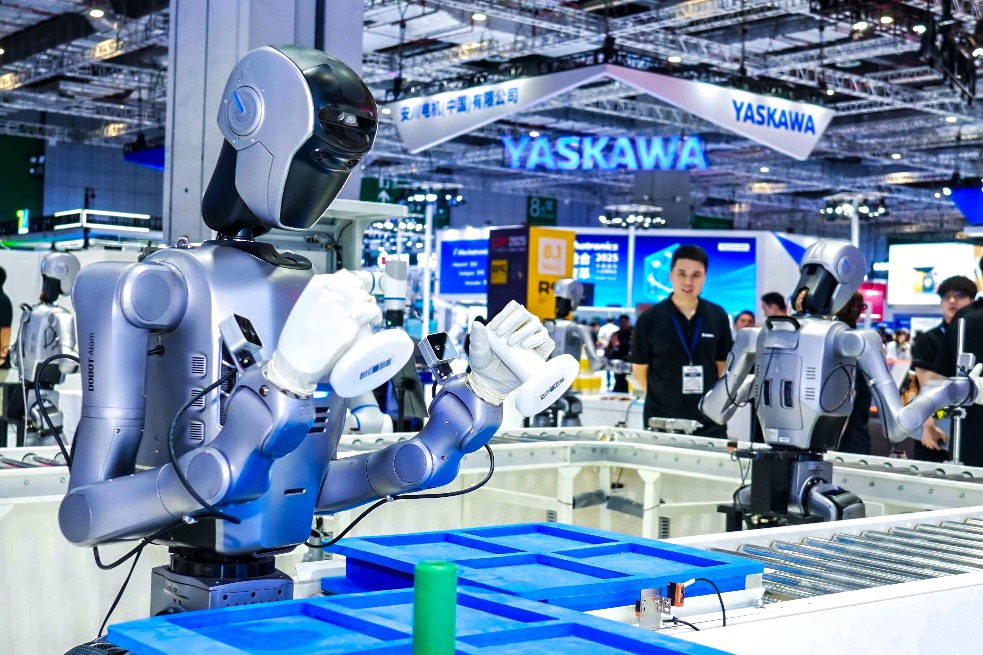
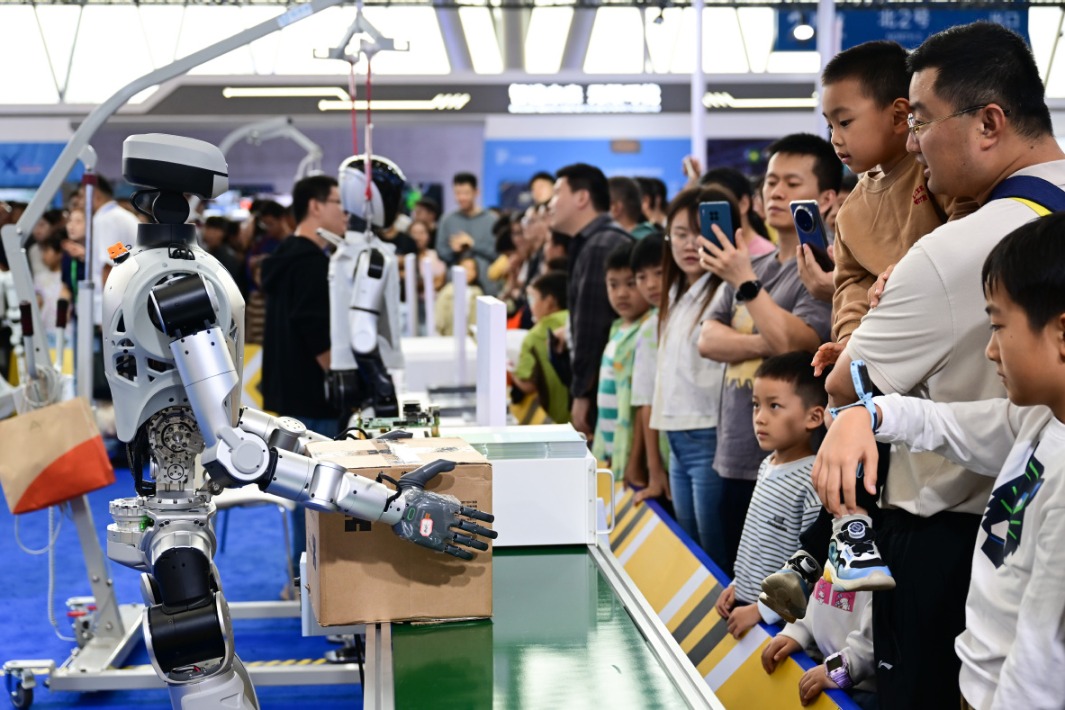
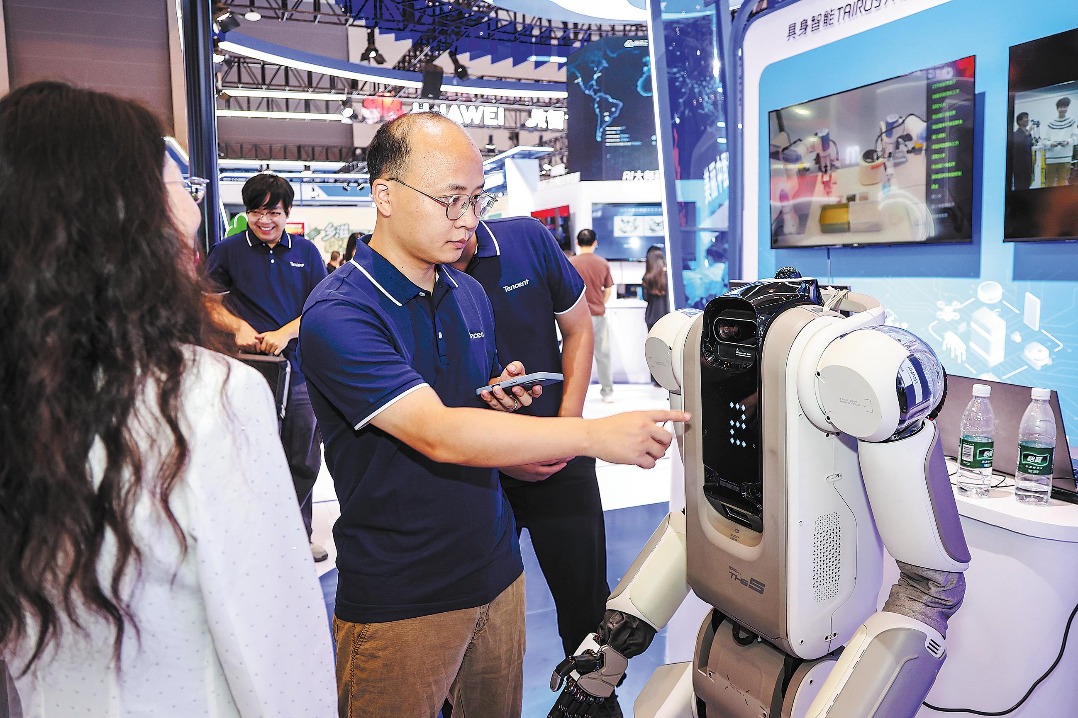
To be sure, with the rapid advances in machine control, artificial intelligence and other cutting-edge technologies, robots are getting increasingly potent - and smart. They can now assemble smartphones, track store inventory, clean the floor, make a cocktail and even write news stories and financial analyses.
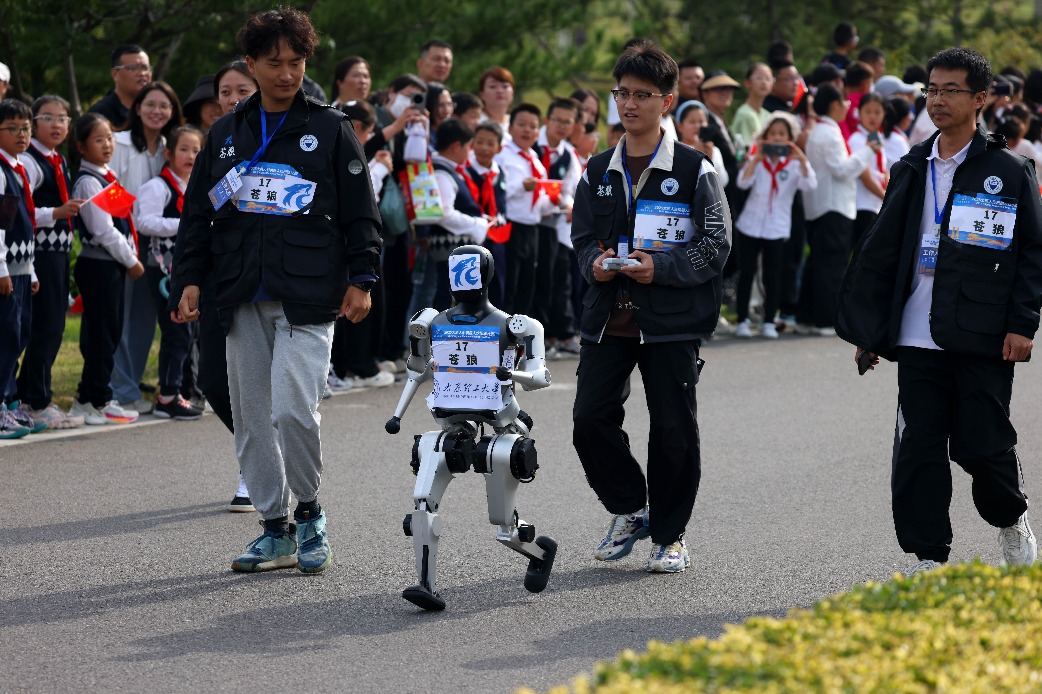
That's not all. There are robot firefighters and robot surgeons. And those that guide the blind and assist the old. Some even sing lullabies and teach rhymes and languages to kids.
The future of robots and automation, and the implications for societies, will be determined by what will happen first - will a nation age first? Or, will its unemployment hit the ceiling first?
China's rapidly aging population is a factor that is driving automation in manufacturing. People aged 60 or older exceeded 240 million in 2017, accounting for 17.3 percent of China's population. Their figure is estimated to hit 400 million (25 percent) in 2033, official data show.
At the same time, China's shrinking demographic dividend and soaring labor cost are ringing alarm bells. Last year, the country's pool of workers aged 16 to 59 declined for the sixth consecutive year. In Shanghai, a hotbed of manufacturing, monthly salaries have increased 250 percent in the last decade alone.
So, even as individuals worry if robots would steal their jobs, companies have big concerns if enough skilled talent would be available for their labor-intensive factories.
What if, in the future, there are no robots and no adequate number of workers either? A graying China seems to be an immediate challenge. Young professionals are tending to marry late, if at all. Having and raising babies does not seem to be among their top priorities.
Birthrate is slowing. Western-style consumption is on the rise. The end to rising labor costs does not appear to be in sight.
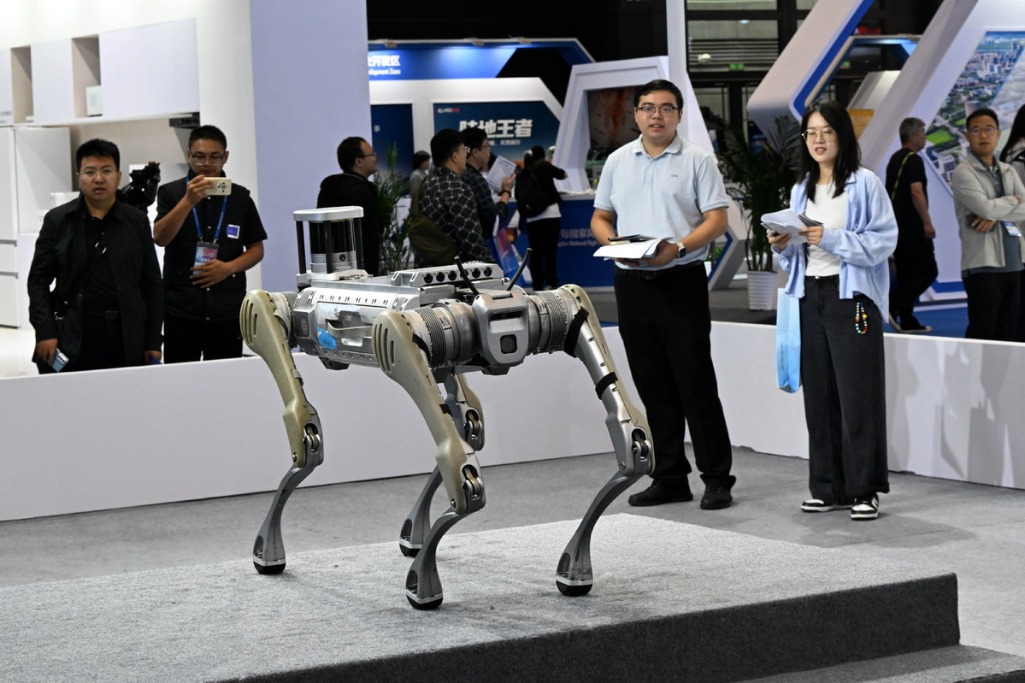
Amid all this, the fact that robots are not really conscious and versatile is overlooked. Robots outside laboratories, in unstructured environments, are mere machines, to be programmed, operated or controlled by humans.
A restaurant in Beijing, it was said online, got rid of three waiter robots it had bought because they frequently made mistakes when moving around, and could not respond to customers' demand in time. These days, I tend to take online viral content about robots' stupendous capabilities with a pinch of salt.
Robots will get better and better at performing tasks eventually. But it does not mean they will replace humans at work anytime soon. In some cases, they can actually help save jobs. For example, collaborative robots like the smart machines used in warehouses can work only when they are alongside human workers.
The latter, especially when they are nursing bad backs or sore knees, don't have to walk around huge facilities. The robot assistants follow them and carry heavy loads around.
Such robots can reduce the wear and tear of a human body, protecting health and helping prolong careers.
Additionally, facilities that use robots tend to be more efficient and see higher productivity, thereby are less likely to shut.
Even for a worker who may be made redundant by the introduction of a robot in, say, a warehouse employing 40 workers, he or she will likely receive training in how to fix and manage the robots.
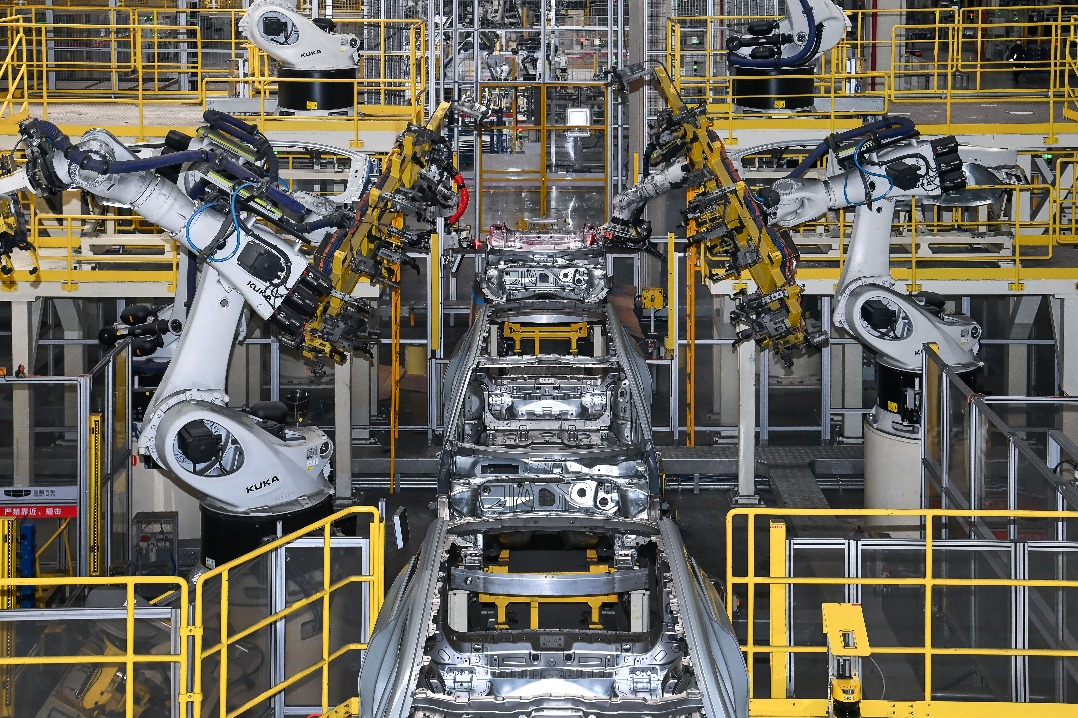
But without the robot, the warehouse could face closure and layoffs. This potential scenario became apparent during a visit to a fully automated Volvo auto plant earlier this year.
All around me, gigantic robotic arms and smart machines hummed, with a string of human workers overseeing them. A 40-year-old worker told me he used to assemble auto parts, but took about three months off to master the basics of robot control.
From then on, he developed a habit of frequent learning, given that the technology of robotic arms evolves with time.
Smart machines save workers from jobs involving repetitive, stress- and monotony-inducing tasks. Such workers find the time and resources to learn skills to perform zero-stress, brain-sharpening tasks that produce a sense of achievement and fulfilment.
If a robot or algorithm-enabled automated software could perform "churnalism" - that is, churn out routine, dry, hard news based on press releases and official statements - I think I'd be free to focus more on producing real journalism: in-depth interviews, research-based analyses, 360-degree features or profiles about trends or developments, and insightful columns.
By the way, you can see by now, can't you, that this is a column written by a human being, not a robot.