


Precious artifacts find new platform through TV









Before the first season of the Nation's Greatest Treasures (previously called National Treasure) was aired last December, not many would have believed that cultural relics could create excitement on a TV variety show.
But the 10-episode show shown through China Central Television became a phenomenon.
It earned 9 points out of a total of 10 on Douban, one of China's major film and TV review websites.
CCTV's statistics show that it has attracted more than 2 billion views online.
A total of 27 cultural relics from nine key museums nationwide, which were recommended by the show, turned into star attractions. And the number of visitors at the nine museums during the Spring Festival holiday earlier this year increased by an average of 50 percent, compared with the same period in the previous year.
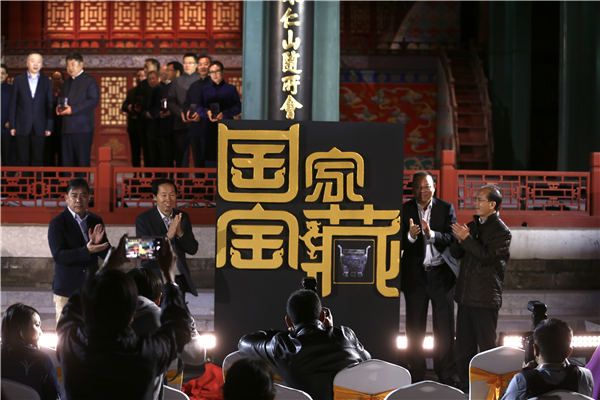
Meanwhile, the good news for fans of the program is that season two of the show will soon make its debut.
The announcement was made at a news conference on Tuesday at the Palace Museum in Beijing, one of the nine museums that participated in the inaugural season.
The premiere date has not been announced but it is expected to air by the end of this year.
Speaking about the program, Shan Jixiang, director of the Palace Museum, also known as the Forbidden City, says: "Thanks to the show, cultural relics are no more just objects that have to be admired and have no relevance in our daily lives.
"People now realize that these items not only have a brilliant past but also a contemporary significance. And understanding our traditional culture will help us embrace the future."
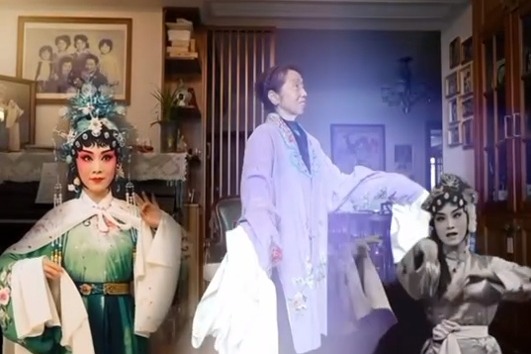
In the first season, three key exhibits from one museum were selected for a 100-minute episode. And the items were introduced by entertainment stars through short historical dramas, while behind-the-scene stories were later told by scholars and other experts.
For viewers who enjoyed the actors' emotional performances, aimed at showcasing the legends associated with the cultural relics, there is more such drama in the upcoming season.
Yu Lei, the director of the show, says that the unexpected success of the first season put more pressure on her.
"As modern people's tastes in entertainment change fast, we were (initially) undecided on whether to keep it (the inaugural season format) as it was or adopt a new one."
Finally, her production team chose to keep the basic format "unchanged".
But Yu has introduced new elements to the show.
For instance, she says that musicals and dancing will be used in the stage drama section.
"It's better to use the advantage of the variety show format to showcase the beauty of these treasures."
The new season of Nation's Greatest Treasures also has 27 cultural relics from nine museums, as in the previous season.
And the Palace Museum remains in the cast once more, but the eight provincial-level museums from the first season have been replaced.
The newcomers to the show are Hebei Museum, Shanxi Museum, Shandong Museum, Guangdong Muse-um, Sichuan Museum, Yunnan Provincial Museum, Gansu Museum and Xinjiang Museum.
As for the artifacts, Luo Xiangjun, the director of Hebei Museum, says that its Changxin Palace Lamp, a bronze oil-lamp from the Western Han Dynasty (206 BC-AD 24), is part of the upcoming show. The lamp was used by the imperial family and represents the highest level of craftsmanship from that time.
Speaking about Shandong Museum, Guo Sike, the deputy director, says that one artifact related to Confucius will be on the show.
The city of Qufu in Shandong is the hometown of the Chinese educator and philosopher.
Many artifacts in these museums are well known.
For instance, an Eastern Han Dynasty (25-220) bronze sculpture depicting a galloping sacred horse treading on a flying phoenix, which is often mistakenly called Galloping Horse Treading on a Flying Swallow, is the signature artifact of Gansu Museum. And its representations are also used by China Tourism in its promotion material.
As for the Guangdong Museum, it has many articles salvaged from ancient shipwrecks from the days of the Maritime Silk Road.
The Xinjiang Museum, on the other hand, is famed for its well-preserved tapestries dating back 2,000 years and 4,000-year-old mummies.
All these artifacts are connected to legends and offer immense possibilities when it comes to a TV show, according to the museum administrators.
"Museum administrators' mindsets have changed. We're not only custodians of treasures, but advocates for culture. It's our duty to bring our collections to life through the media," says Shan.
According to Yu, CCTV is also working with BBC World News for an international edition of the show, which will be aired through the British broadcaster.