Snack king retains appetite for building bridges










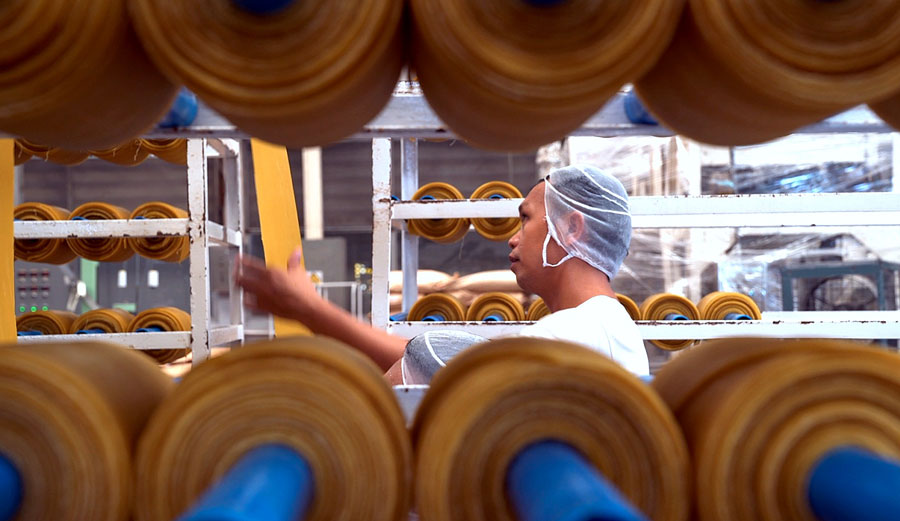
Carlos Chan's Oishi Shanghaojia brand has forged a lasting friendship between China and the Philippines. Willa Wu reports.
The story behind the Oishi Shanghaojia brand, one of the most respected and recognized in China, is a remarkable tale of how the reform and opening-up policy drew foreign investment to the country.
Oishi Shanghaojia is an offshoot of the Oishi brand in the Philippines, which is owned by the Liwayway Group. It was brought to China by Carlos Chan, a Chinese Filipino who is ranked No 21 on Forbes' List of the Philippines' 50 Richest.
In 1993, Chan established his first overseas production center in Pudong, Shanghai, in cooperation with two State-owned companies. Chan named his new venture Oishi (after the parent brand) and Shanghaojia, which means "excellent, top grade and high quality" in Mandarin.
Initially, though, the auspicious name didn't bring Chan much luck; he waited almost six months for the plant's business license to be approved, and no sooner had the facility opened than his fledgling enterprise looked as though it was headed for disaster.
The trouble started when Chan received a call from the manager of the plant in Shanghai.
"I am afraid we have to leave the China market," Chan recalls his plant manager telling him. "The employees here won't cooperate with us."
Unfazed, Chan replied, "I will come and talk with them."
He had already learned two valuable lessons from working with his father in the family business: "be patient" and "make friends before doing business".
Chan vividly remembers the tense atmosphere as he walked into his first meeting with the plant's Chinese workers: "They were all standing, red-faced. I wasn't allowed to sit down, either."
He stood for almost an hour, listening to the complaints of the employees, who had been hired from two State-owned enterprises that had leased the factory to Chan.
"They were dissatisfied with the management. We were foreign employers. They thought we were capitalists who intended to exploit them. It was an ideological issue," Chan said.
He describes himself as "a shy man", something he had to overcome to follow his father's advice to be patient: "To me, that means having an attentive ear and talking to people regardless of their background."
Having listened to the workers' complaints, Chan replied in full. Tensions eased and he was finally invited to sit down. The Chinese Filipino employer and his Chinese staff members started calmly discussing how to build mutual trust.
Chan ordered that all salaries should be increased, because the employees were only earning 200 yuan a month. He also installed heaters in the staff canteen. "We needed to let them know we cared about them and would not treat them like mere laborers," he said.