
男女羞羞视频在线观看,国产精品黄色免费,麻豆91在线视频,美女被羞羞免费软件下载,国产的一级片,亚洲熟色妇,天天操夜夜摸,一区二区三区在线电影
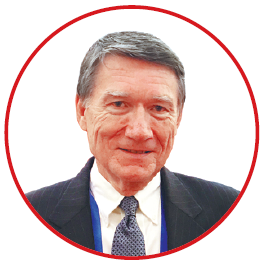
John L. Holden
Veteran China expert
EDUCATION:

1974-76: MA, Chinese language and literature, Stanford University

1970-74: BA magna cum laude, Chinese language and literature, University of Minnesota Twin Cities

AWARDS:

2017: Foreign Educator of the Year, presented by the State Administration of Foreign Expert Affairs; Chinese Government Friendship Award

CAREER:

2017-present: President and CEO, US-China Strong Foundation

2013-present: Nonresident senior associate, Carnegie Endowment for International Peace

2010-present: Senior adviser, Vermilion Partners

2014-17: Associate dean, Peking University's Yenching Academy

2014-17: Professor of management practice, Peking University's Guanghua School of Management

2008-13: Managing director and senior adviser, Hill+Knowlton Strategies, Beijing

2005-08: Chairman of China operations, Shaklee Corp

1998-2005: President, National Committee on US-China Relations

1986-1998: Various senior management positions with Cargill

How search for knowledge helped lift China's reform
Foundation leader says nation developed by learning, and now can teach other countries a thing or two
Dong Leshuo in Washington
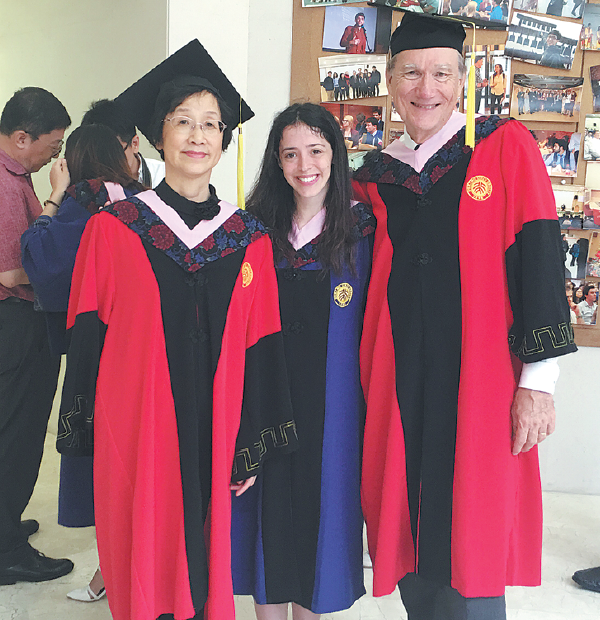
Holden and Yuan Ming (left), dean of Peking University's Yenching Academy, pose with a scholar during the graduation ceremony for the academy's inaugural class in Beijing in 2016. [Photo provided to China Daily]

Holden said there are two major lessons the Chinese have learned over 40 years of tremendous change.

"One thing is that change is good, necessary and possible. The idea of reform is closely aligned with progress. That is a major conclusion that people have. Things can always be made better," he said. "The second thing is opening-up. For China to open its door to invite foreigners and foreign ideas in, and to open its doors for its own people to travel, to study abroad, this is a very good thing."

At the Boao Forum for Asia on April 10, President Xi Jinping said China will continue to adhere to its fundamental national policy of opening-up and pursuing development with its door wide open.

Holden said he believes there are several dimensions to openness. One is the interaction with the outside world on trade and investment. "For that, one can certainly see China has plans to do more," he said.

Another dimension is China taking a bigger role on the world stage and in international organizations to shoulder more responsibility on common goals, he said, while a third dimension, opening to new ideas, is essential because innovation and technology matter to future economic growth.

"Quoting every previous (US) president since Richard Nixon, they all meant that we hope that China will be successful, which is good for a quarter of the world's population, and eventually will be good for the rest of the world. We hope that. Together with that is a sense of being open to all kinds of ideas."

China's practice of reform and opening-up has been widely acknowledged across the world, according to Holden.

"Every country should look at China for certain, but to pick and choose what it wants and what it doesn't want," he said. Looking ahead, Holden said every country will need to work together, particularly on issues like artificial intelligence and advanced biological development.

"We have to continue talking with each other and deal with some of the problems because these are really global issues. If one country goes way off in this direction by itself, that could be problematic. We do need to coordinate. We have to have conversations on AI," he said.

"There is a lot to work on. It requires big investment from Americans and Chinese to create a better future. Right now, it's a challenging time, and we have to do more."


|<< Previous 1 2 3 4 5 Next   >>|
John L. Holden
Veteran China expert
EDUCATION:

1974-76: MA, Chinese language and literature, Stanford University

1970-74: BA magna cum laude, Chinese language and literature, University of Minnesota Twin Cities

AWARDS:

2017: Foreign Educator of the Year, presented by the State Administration of Foreign Expert Affairs; Chinese Government Friendship Award

CAREER:

2017-present: President and CEO, US-China Strong Foundation

2013-present: Nonresident senior associate, Carnegie Endowment for International Peace

2010-present: Senior adviser, Vermilion Partners

2014-17: Associate dean, Peking University's Yenching Academy

2014-17: Professor of management practice, Peking University's Guanghua School of Management

2008-13: Managing director and senior adviser, Hill+Knowlton Strategies, Beijing

2005-08: Chairman of China operations, Shaklee Corp

1998-2005: President, National Committee on US-China Relations

1986-1998: Various senior management positions with Cargill

How search for knowledge helped lift China's reform

Foundation leader says nation developed by learning, and now can teach other countries a thing or two
Dong Leshuo in Washington
Holden and Yuan Ming (left), dean of Peking University's Yenching Academy, pose with a scholar during the graduation ceremony for the academy's inaugural class in Beijing in 2016. [Photo provided to China Daily]

Holden said there are two major lessons the Chinese have learned over 40 years of tremendous change.

"One thing is that change is good, necessary and possible. The idea of reform is closely aligned with progress. That is a major conclusion that people have. Things can always be made better," he said. "The second thing is opening-up. For China to open its door to invite foreigners and foreign ideas in, and to open its doors for its own people to travel, to study abroad, this is a very good thing."

At the Boao Forum for Asia on April 10, President Xi Jinping said China will continue to adhere to its fundamental national policy of opening-up and pursuing development with its door wide open.

Holden said he believes there are several dimensions to openness. One is the interaction with the outside world on trade and investment. "For that, one can certainly see China has plans to do more," he said.

Another dimension is China taking a bigger role on the world stage and in international organizations to shoulder more responsibility on common goals, he said, while a third dimension, opening to new ideas, is essential because innovation and technology matter to future economic growth.

"Quoting every previous (US) president since Richard Nixon, they all meant that we hope that China will be successful, which is good for a quarter of the world's population, and eventually will be good for the rest of the world. We hope that. Together with that is a sense of being open to all kinds of ideas."

China's practice of reform and opening-up has been widely acknowledged across the world, according to Holden.

"Every country should look at China for certain, but to pick and choose what it wants and what it doesn't want," he said. Looking ahead, Holden said every country will need to work together, particularly on issues like artificial intelligence and advanced biological development.

"We have to continue talking with each other and deal with some of the problems because these are really global issues. If one country goes way off in this direction by itself, that could be problematic. We do need to coordinate. We have to have conversations on AI," he said.

"There is a lot to work on. It requires big investment from Americans and Chinese to create a better future. Right now, it's a challenging time, and we have to do more."

主站蜘蛛池模板: 金溪县| 突泉县| 临澧县| 东安县| 沾益县| 札达县| 新营市| 兴义市| 肇东市| 延长县| 新巴尔虎左旗| 塔城市| 涡阳县| 西乌| 长宁区| 延寿县| 荆州市| 漳平市| 高台县| 江阴市| 定结县| 剑川县| 武强县| 鲁甸县| 蒲江县| 建湖县| 大名县| 平南县| 沅陵县| 徐州市| 剑河县| 安徽省| 泽普县| 英超| 宜兴市| 樟树市| 茌平县| 秦安县| 巴中市| 临沧市| 大荔县| 广水市| 瑞金市| 虎林市| 大姚县| 同德县| 大埔区| 土默特右旗| 泸溪县| 蛟河市| 淮北市| 庆城县| 西乌珠穆沁旗| 达拉特旗| 新兴县| 新化县| 定襄县| 瓦房店市| 泰宁县| 平度市| 福建省| 余江县| 洮南市| 乌拉特前旗| 武义县| 龙海市| 河曲县| 南充市| 邵阳县| 井陉县| 美姑县| 金秀| 航空| 罗江县| 阿拉善左旗| 米易县| 大姚县| 富平县| 吐鲁番市| 鄂托克前旗| 西平县| 专栏|