Lum medicinal bathing of Sowa Rigpa added to UNESCO list









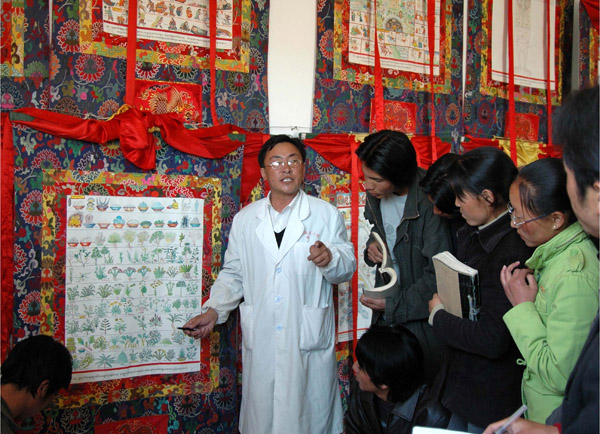
Traditional Tibetan bathing for a medical purpose was inscribed onto the Representative List of the Intangible Cultural Heritage of Humanity by UNESCO on Wednesday.
The entry, officially known as Lum medicinal bathing of Sowa Rigpa, knowledge and practices concerning life, health and illness prevention and treatment among the Tibetan people in China, obtained the status at the 13th session of the Intergovernmental Committee for the Safeguarding of the Intangible Cultural Heritage, which is ongoing in Port Louis, Mauritius.
It is China's 40th entry on the list.

In the Tibetan language, the word "Lum" indicates the traditional knowledge and practices of bathing in natural hot springs, herbal water or steam to adjust the balance of the body and mind, ensure health, and treat illness.
It reflects folk experiences and ancient medical classics. Its practitioners include farmers, herdsmen and urban residents, with the Manpa (physician), Lum Jorkhan (pharmacist) and Manyok (assistant) owning respective responsibilities in the practice.
The practice is inherited in the Tibetan autonomous region, as well as regions in Qinghai, Sichuan, Yunnan, and Gansu provinces inhabited by Tibetans. Lum also includes traditional Tibetan astrology, rituals, religions, and many other aspects in daily life.

This bathing form also is widely recorded through local folklore, epics, dramas, paintings, sculptures, and other fine art forms.
Some parts of this practice became national-level intangible cultural heritage in 2008 and 2014, respectively. In 2015, a special plan was co-drafted by the country's intangible cultural heritage protection center, and cultural department of the Tibetan autonomous region, to guide Lum protection among local communities.
Many methods have been taken to preserve it, like the establishment of a relevant database, promoting its knowledge through school textbooks, and more medical training programs serving residents.