
男女羞羞视频在线观看,国产精品黄色免费,麻豆91在线视频,美女被羞羞免费软件下载,国产的一级片,亚洲熟色妇,天天操夜夜摸,一区二区三区在线电影
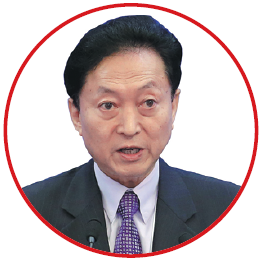
Yukio Hatoyama
Former Japanese prime minister
BORN:

Tokyo on Feb 11, 1947

EDUCATION:

1969: BA in engineering, University of Tokyo

1976: PhD in industrial engineering, Stanford University

CAREER:

1981: Teaches management at Senshu University in Tokyo

1986: Elected to Japanese House of Representatives

1996: Forms Democratic Party of Japan

Sept 1999-Dec 2002: DPJ leader

May 2009-June 2010: DPJ leader

Sept 2009: Becomes prime minister after commanding victory over Liberal Democratic Party, which had governed Japan almost continuously since 1955

June 2010: Resigns as prime minister

2012: Stands down as member of House of Representatives

2013: Establishes East Asian Community Institute

A family history of enhancing ties
Former Japanese prime minister Yukio Hatoyama says country can learn a lot from China's development
Pan Mengqi and Liu Yang
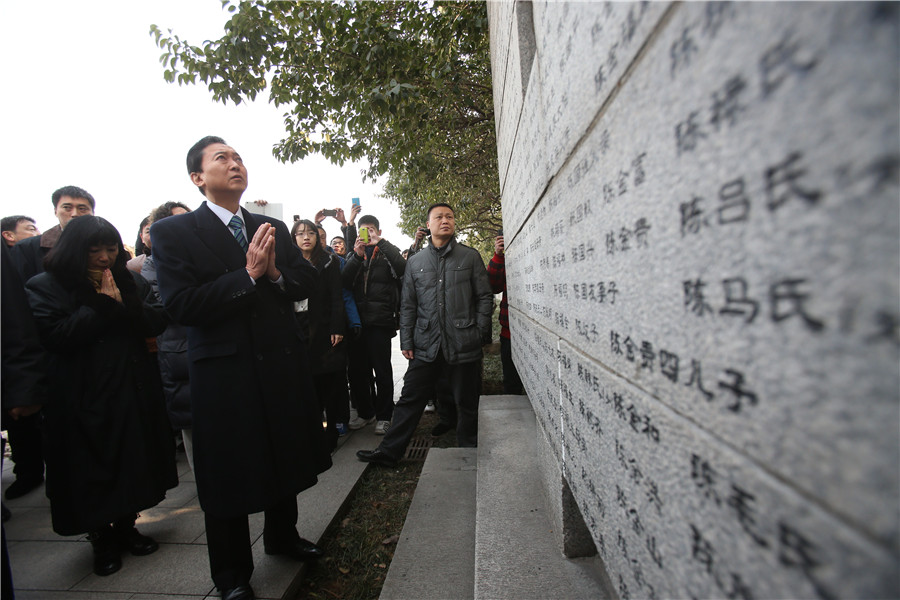
Yukio Hatoyama pays a visit to the Memorial Hall of Victims of Nanjing Massacre in Nanjing, Jiangsu province, on Jan 17, 2013. [SONG QIAO/FOR CHINA DAILY]

Japanese military police chief Captain Hatoyama, the main villain in the modern Peking Opera The Legend of the Red Lantern, is a notoriously brutal character.

One of the eight model plays, the only operas and ballets permitted during the "cultural revolution" (1966-76), The Legend of the Red Lantern, set during the War of Resistance Against Japanese Aggression (1931-45), made the name Hatoyama well known, if not well respected, in China. The opera was also later adapted into movies and TV series.

Yukio Hatoyama, Japan's prime minister from 2009 to 2010 and one of the few leaders of that country to have admitted and apologized for its war crimes, said his father had sought to "clarify his family's reputation".

In the 1970s, his father, Japanese foreign minister Iichiro Hatoyama, brought the "family complaint" to the attention of then premier Zhou Enlai.

"In Japan, Hatoyama is a rare surname and only my family is using this surname," Iichiro Hatoyama told Zhou during a visit to Beijing. "I have checked the Hatoyama genealogy book and no one was conscripted into the army during World War II, let alone among the invaders."

Yukio Hatoyama said his father wanted to impress upon Zhou that the Hatoyamas were neither villains nor invaders.

Even though the villain's name in the opera was not changed, Yukio Hatoyama said he thought the "interlude in history" was respected by the Chinese, as he had not seen any Japanese invaders named Hatoyama in any movies or TV series made afterward.

"In fact, my family have devoted their lifetime efforts to making China-Japan ties run in a positive direction for more than 100 years," he said, adding that those efforts had been important for both sides in past decades.

Dubbed "Japan's Kennedy family", the Hatoyama family's patriarchal head was his great-grandfather, Kazuo Hatoyama, who was president of Tokyo's Waseda University in the 1890s.

During that time, Waseda became the first Japanese university to accept Chinese students, with the first one admitted in 1899, and 762 enrolling in the following two years, including Lu Xun (1881-1936), a leading figure of modern Chinese literature.

Kazuo Hatoyama's son, Ichiro Hatoyama, was prime minister of Japan from 1954 to 1956, when it had yet to establish formal diplomatic ties with the People's Republic of China.

"My grandfather wanted to realize the normalization of Sino-Japanese relations during his tenure, but the political situation was not mature at that time," Yukio Hatoyama said.

However, Ichiro Hatoyama did appoint Japanese businessman-politician Takasaki Tatsunosuke to attend the first Asian-African Conference, in Bandung, Indonesia, in 1955, where Tatsunosuke met Zhou, setting a precedent for official Sino-Japanese exchanges after the end of the War of Resistance Against Japanese Aggression.

Although Ichiro Hatoyama did not realize the dream of seeing relations between the two neighbors normalized, his son, Iichiro Hatoyama, made an important contribution to it.

When he was Japanese foreign minister in the 1970s, he was responsible for the negotiations that led to the signing of the China-Japan Peace and Friendship Treaty in 1978.


1 2 Next   >>|
Yukio Hatoyama
Former Japanese prime minister
BORN:

Tokyo on Feb 11, 1947

EDUCATION:

1969: BA in engineering, University of Tokyo

1976: PhD in industrial engineering, Stanford University

CAREER:

1981: Teaches management at Senshu University in Tokyo

1986: Elected to Japanese House of Representatives

1996: Forms Democratic Party of Japan

Sept 1999-Dec 2002: DPJ leader

May 2009-June 2010: DPJ leader

Sept 2009: Becomes prime minister after commanding victory over Liberal Democratic Party, which had governed Japan almost continuously since 1955

June 2010: Resigns as prime minister

2012: Stands down as member of House of Representatives

2013: Establishes East Asian Community Institute

A family history of enhancing ties

Former Japanese prime minister Yukio Hatoyama says country can learn a lot from China's development
Pan Mengqi and Liu Yang
Yukio Hatoyama pays a visit to the Memorial Hall of Victims of Nanjing Massacre in Nanjing, Jiangsu province, on Jan 17, 2013. [SONG QIAO/FOR CHINA DAILY]

Japanese military police chief Captain Hatoyama, the main villain in the modern Peking Opera The Legend of the Red Lantern, is a notoriously brutal character.

One of the eight model plays, the only operas and ballets permitted during the "cultural revolution" (1966-76), The Legend of the Red Lantern, set during the War of Resistance Against Japanese Aggression (1931-45), made the name Hatoyama well known, if not well respected, in China. The opera was also later adapted into movies and TV series.

Yukio Hatoyama, Japan's prime minister from 2009 to 2010 and one of the few leaders of that country to have admitted and apologized for its war crimes, said his father had sought to "clarify his family's reputation".

In the 1970s, his father, Japanese foreign minister Iichiro Hatoyama, brought the "family complaint" to the attention of then premier Zhou Enlai.

"In Japan, Hatoyama is a rare surname and only my family is using this surname," Iichiro Hatoyama told Zhou during a visit to Beijing. "I have checked the Hatoyama genealogy book and no one was conscripted into the army during World War II, let alone among the invaders."

Yukio Hatoyama said his father wanted to impress upon Zhou that the Hatoyamas were neither villains nor invaders.

Even though the villain's name in the opera was not changed, Yukio Hatoyama said he thought the "interlude in history" was respected by the Chinese, as he had not seen any Japanese invaders named Hatoyama in any movies or TV series made afterward.

"In fact, my family have devoted their lifetime efforts to making China-Japan ties run in a positive direction for more than 100 years," he said, adding that those efforts had been important for both sides in past decades.

Dubbed "Japan's Kennedy family", the Hatoyama family's patriarchal head was his great-grandfather, Kazuo Hatoyama, who was president of Tokyo's Waseda University in the 1890s.

During that time, Waseda became the first Japanese university to accept Chinese students, with the first one admitted in 1899, and 762 enrolling in the following two years, including Lu Xun (1881-1936), a leading figure of modern Chinese literature.

Kazuo Hatoyama's son, Ichiro Hatoyama, was prime minister of Japan from 1954 to 1956, when it had yet to establish formal diplomatic ties with the People's Republic of China.

"My grandfather wanted to realize the normalization of Sino-Japanese relations during his tenure, but the political situation was not mature at that time," Yukio Hatoyama said.

However, Ichiro Hatoyama did appoint Japanese businessman-politician Takasaki Tatsunosuke to attend the first Asian-African Conference, in Bandung, Indonesia, in 1955, where Tatsunosuke met Zhou, setting a precedent for official Sino-Japanese exchanges after the end of the War of Resistance Against Japanese Aggression.

Although Ichiro Hatoyama did not realize the dream of seeing relations between the two neighbors normalized, his son, Iichiro Hatoyama, made an important contribution to it.

When he was Japanese foreign minister in the 1970s, he was responsible for the negotiations that led to the signing of the China-Japan Peace and Friendship Treaty in 1978.

主站蜘蛛池模板: 搜索| 诸暨市| 龙山县| 南康市| 栖霞市| 环江| 新野县| 漾濞| 南昌市| 汉源县| 定西市| 迁安市| 兴化市| 西藏| 敦煌市| 花莲县| 芒康县| 古丈县| 沙雅县| 慈利县| 宜阳县| 嘉荫县| 武冈市| 长阳| 凤城市| 广丰县| 托克托县| 龙州县| 确山县| 博爱县| 文登市| 石狮市| 芜湖县| 德昌县| 息烽县| 鄂托克旗| 平乐县| 寻乌县| 峨山| 延吉市| 石楼县| 南皮县| 遂川县| 朝阳区| 鄯善县| 紫金县| 武宣县| 嵊泗县| 乌鲁木齐市| 兴海县| 武义县| 伊金霍洛旗| 崇礼县| 东阿县| 来宾市| 翼城县| 呼玛县| 灌云县| 永胜县| 莱芜市| 广灵县| 阿巴嘎旗| 图们市| 平罗县| 涞源县| 马龙县| 浏阳市| 徐水县| 响水县| 溧阳市| 夏津县| 仙居县| 洛宁县| 江油市| 吴忠市| 萨迦县| 宜兰县| 连州市| 伊川县| 曲松县| 乌恰县| 法库县|