
男女羞羞视频在线观看,国产精品黄色免费,麻豆91在线视频,美女被羞羞免费软件下载,国产的一级片,亚洲熟色妇,天天操夜夜摸,一区二区三区在线电影
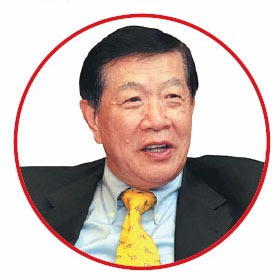
Henry Chang-yu Lee
World-leading forensic scientist
BORN:

Nov 22, 1938 in Rugao, Jiangsu province

EDUCATION:

? 1959: Graduates from Central Police College, Taiwan

? 1972: BSc in forensic sciences, City University of New York

? 1974: MSc in biochemistry, New York University

? 1975: PhD in biochemistry, NYU

CAREER:

? 1960-65: Officer in the Taipei Police Department, rising to the rank of captain

? 1979-98: Director and chief criminalist, Connecticut State Police Forensic Laboratory

? 1998-2000: Commissioner of the Connecticut Department of Public Safety

? 2001-10: Commissioner emeritus of the Connecticut State Police Forensic Laboratory

? 2006: Establishes the Henry C. Lee Institute of Forensic Science at University of New Haven, Connecticut, where he serves as director of forensic research and training

? September 2013: Accepts consultancy role at China's Procuratorate Technology Information Research Center, part of the Supreme People's Procuratorate

? 2016-present: Chairman of the Silk Road Forensic Consortium

Top forensic scientist finds evidence of great progress
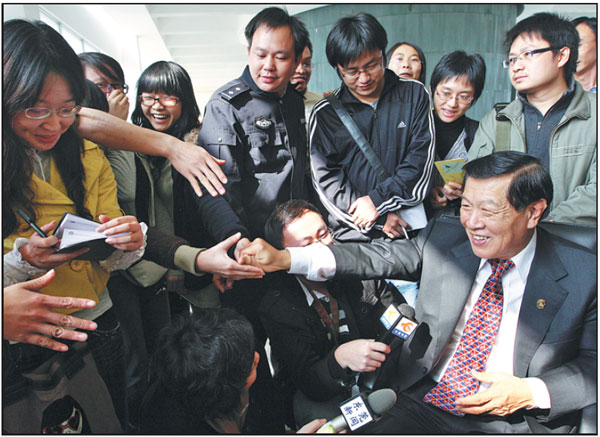
Henry Chang-yu Lee say China has become a leading player in high-tech systems for catching criminals
Cao Yin
Lee talks with local media in Dongguan, Guangdong province, after a public speech on Dec 3, 2009. Chen Fan / For China Daily

Preserving cultures

Lee was born in Rugao, Jiangsu province, and was a child when his family moved to Taiwan. He took an interest in law enforcement from a young age and graduated from the island's Central Police College in 1959.

For five years he was an officer with the Taipei Police Department, eventually rising to the rank of captain, before he and his wife, Margaret, emigrated to the US.

After witnessing violent police interrogations and even the torture of criminal suspects in Taiwan, Lee said he felt such tactics were cruel and ineffective, as they weaken the credibility of evidence and confessions.

Instead, he decided to study forensic science. While paying his way working part-time jobs, including as a waiter and lab technician, between 1972 and 1975, Lee obtained a bachelor's degree from City University of New York, and a master's and PhD in biochemistry from New York University. He went on to teach at the University of New Haven, Connecticut.

In 1985, while director of the Connecticut State Police Forensic Laboratory, Lee was invited by China's ministries of public security and education to lead a monthlong training course for police officers, legal professionals and lab technicians at Renmin University of China.

The trip was his first time back to the Chinese mainland and marked the start of decades of exchanges between Lee and scientists and criminal investigators nationwide.

"After an increase in child kidnappings in the '90s, I returned to my homeland again. I introduced how to use DNA and advanced chemical reagents to identify suspects and solve such cases," he said.

It was also around this time that Lee became commissioner of the Connecticut Department of Public Safety, making him the first Chinese-American to lead a state-level police authority in the US. He held the post until his retirement in 2000.

Over the past 18 years, Lee has continued to consult on criminal cases around the world, as well as direct the Henry C. Lee Institute of Forensic Science at the University of New Haven, Connecticut.

He returns to China seven to eight times a year to deliver lectures, sometimes to students at college or high school. "I want to educate them to be good people," he said. "I tell them not to always be looking at their smartphones, to go see the world."

Reflecting on his early years in the US, he said he faced discrimination in his field. "American people sometimes looked down on me for my foreign background. But I didn't give up. I was determined to prove myself."

He went on to become a leading authority, working on high-profile cases such as the O.J. Simpson murder trial, a reinvestigation into the assassination of US president John F. Kennedy, and the hunt for the Washington sniper.

Lee said the reform and opening-up policy introduced by China in 1978 led to rapid economic and societal developments, allowing many Chinese to study or live abroad.

"A good thing is that more Chinese are going out to further study forensic science. They will come back to use that knowledge to serve their country," he said.

"I'm happy to see more Chinese now working with Americans in forensic labs, but I always advise them to be leaders in the workplace. We should break Western stereotypes by showing our abilities and leadership."

He also suggested overseas Chinese should be diligent and cohesive, to uphold their national dignity and preserve their traditional cultures.

"Only in this way will we speak louder to the world," he said.

Henry Chang-yu Lee
World-leading forensic scientist
BORN:

Nov 22, 1938 in Rugao, Jiangsu province

EDUCATION:

? 1959: Graduates from Central Police College, Taiwan

? 1972: BSc in forensic sciences, City University of New York

? 1974: MSc in biochemistry, New York University

? 1975: PhD in biochemistry, NYU

CAREER:

? 1960-65: Officer in the Taipei Police Department, rising to the rank of captain

? 1979-98: Director and chief criminalist, Connecticut State Police Forensic Laboratory

? 1998-2000: Commissioner of the Connecticut Department of Public Safety

? 2001-10: Commissioner emeritus of the Connecticut State Police Forensic Laboratory

? 2006: Establishes the Henry C. Lee Institute of Forensic Science at University of New Haven, Connecticut, where he serves as director of forensic research and training

? September 2013: Accepts consultancy role at China's Procuratorate Technology Information Research Center, part of the Supreme People's Procuratorate

? 2016-present: Chairman of the Silk Road Forensic Consortium

Top forensic scientist finds evidence of great progress

Henry Chang-yu Lee say China has become a leading player in high-tech systems for catching criminals
Cao Yin
Lee talks with local media in Dongguan, Guangdong province, after a public speech on Dec 3, 2009. Chen Fan / For China Daily

Preserving cultures

Lee was born in Rugao, Jiangsu province, and was a child when his family moved to Taiwan. He took an interest in law enforcement from a young age and graduated from the island's Central Police College in 1959.

For five years he was an officer with the Taipei Police Department, eventually rising to the rank of captain, before he and his wife, Margaret, emigrated to the US.

After witnessing violent police interrogations and even the torture of criminal suspects in Taiwan, Lee said he felt such tactics were cruel and ineffective, as they weaken the credibility of evidence and confessions.

Instead, he decided to study forensic science. While paying his way working part-time jobs, including as a waiter and lab technician, between 1972 and 1975, Lee obtained a bachelor's degree from City University of New York, and a master's and PhD in biochemistry from New York University. He went on to teach at the University of New Haven, Connecticut.

In 1985, while director of the Connecticut State Police Forensic Laboratory, Lee was invited by China's ministries of public security and education to lead a monthlong training course for police officers, legal professionals and lab technicians at Renmin University of China.

The trip was his first time back to the Chinese mainland and marked the start of decades of exchanges between Lee and scientists and criminal investigators nationwide.

"After an increase in child kidnappings in the '90s, I returned to my homeland again. I introduced how to use DNA and advanced chemical reagents to identify suspects and solve such cases," he said.

It was also around this time that Lee became commissioner of the Connecticut Department of Public Safety, making him the first Chinese-American to lead a state-level police authority in the US. He held the post until his retirement in 2000.

Over the past 18 years, Lee has continued to consult on criminal cases around the world, as well as direct the Henry C. Lee Institute of Forensic Science at the University of New Haven, Connecticut.

He returns to China seven to eight times a year to deliver lectures, sometimes to students at college or high school. "I want to educate them to be good people," he said. "I tell them not to always be looking at their smartphones, to go see the world."

Reflecting on his early years in the US, he said he faced discrimination in his field. "American people sometimes looked down on me for my foreign background. But I didn't give up. I was determined to prove myself."

He went on to become a leading authority, working on high-profile cases such as the O.J. Simpson murder trial, a reinvestigation into the assassination of US president John F. Kennedy, and the hunt for the Washington sniper.

Lee said the reform and opening-up policy introduced by China in 1978 led to rapid economic and societal developments, allowing many Chinese to study or live abroad.

"A good thing is that more Chinese are going out to further study forensic science. They will come back to use that knowledge to serve their country," he said.

"I'm happy to see more Chinese now working with Americans in forensic labs, but I always advise them to be leaders in the workplace. We should break Western stereotypes by showing our abilities and leadership."

He also suggested overseas Chinese should be diligent and cohesive, to uphold their national dignity and preserve their traditional cultures.

"Only in this way will we speak louder to the world," he said.

主站蜘蛛池模板: 囊谦县| 樟树市| 鹰潭市| 句容市| 拜城县| 伊川县| 湘阴县| 安仁县| 大余县| 平凉市| 田东县| 临泉县| 平山县| 虞城县| 陈巴尔虎旗| 永修县| 清徐县| 偃师市| 巫溪县| 南丰县| 凤山市| 星座| 鹤庆县| 阳东县| 阿城市| 洪湖市| 宜川县| 英超| 汉沽区| 兰溪市| 青神县| 吉首市| 英山县| 余姚市| 绥中县| 白水县| 曲周县| 屯昌县| 内江市| 东乌珠穆沁旗| 和田市| 遂宁市| 洛隆县| 抚顺县| 莱州市| 平原县| 灵山县| 汨罗市| 唐河县| 安仁县| 临颍县| 柘荣县| 广宗县| 姚安县| 台安县| 忻城县| 镇江市| 甘肃省| 盐山县| 兰溪市| 潮安县| 于都县| 东兰县| 肥西县| 纳雍县| 金寨县| 惠安县| 张家口市| 涞水县| 宁德市| 卓资县| 米泉市| 息烽县| 同仁县| 大余县| 静安区| 鲁甸县| 华宁县| 六枝特区| 永登县| 荔波县| 嘉义市|