
男女羞羞视频在线观看,国产精品黄色免费,麻豆91在线视频,美女被羞羞免费软件下载,国产的一级片,亚洲熟色妇,天天操夜夜摸,一区二区三区在线电影
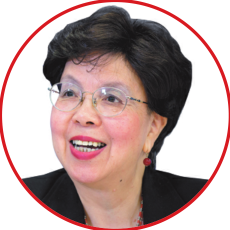
Margaret Chan Fung Fu-chun
Former director-general of the World Health Organization
BORN:

Aug 21, 1947, in Hong Kong

EDUCATION:

1973: Bachelor of Arts, home economics, Brescia University College

1978: Doctor of Medicine, University of Western Ontario

1985: Master of Science, public health, National University of Singapore

CAREER:

1978-89: Medical officer, Hong Kong Department of Health

1989-92: Assistant director, Hong Kong Department of Health

1992-93: Deputy director, Hong Kong Department of Health

1994-2002: Director, Hong Kong Department of Health

2003-05:Director, department for protection of the human environment, World Health Organization

2005-06: Assistant director-general for communicable diseases, WHO

2007-17: Director-general, WHO

2018-present:Member of the National Committee of the Chinese People's Political Consultative Conference

Focus on health the right prescription
Former WHO director-general lauds China's commitment to medical services
Pan Mengqi
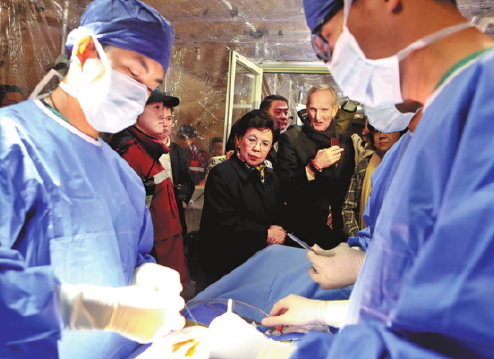
Chan watches members of China's international emergency medical team during an operation at Shanghai East Hospital. GAO ERQIANG/CHINA DAILY

The village doctors, known as "barefoot doctors" because many farmers worked barefoot in the rice paddies, promoted basic hygiene, preventive healthcare and family planning, and treated common illnesses in rural areas.

That inspired Mahler, and in 1978, at a WHO conference in what is now Kazakhstan, he proposed calling on local communities to help decide healthcare priorities, an emphasis on primary and preventive healthcare, and seeking to link medicine with trade, economics and other political and social areas.

"In 1978, the Chinese barefoot doctor approach for training locals in basic healthcare inspired the primary healthcare movement launched by the Declaration of Alma-Ata, which became the brand name for much of the WHO's work," Chan said.

Since adopting its reform and opening-up policy in 1978, China has made tremendous achievements in the medical and healthcare sector, improving the health of one-fifth of the world's population.

"It is no longer the 'sick man of East Asia'," Chan said. "China was later gradually developed into a healthy country and 'a role model for developing countries', which is recognized by the WHO."

She said the most remarkable development has been the wide coverage of medical insurance.

China embarked on the biggest health system reform the world has ever seen in 2009, aiming to extend medical services beyond the country's prosperous urban centers.

At the start of the century, less than a third of China's population had access to health insurance. Now nearly 100 percent do. A basic medical services network, covering both urban and rural areas, has been put in place, with 980,000 medical and health institutions at all levels, 11 million health workers, and 7 million beds at medical institutions.

Praising China for giving its huge population a safety net that protects people from being impoverished by the costs of healthcare, Chan said it was a tremendous contribution to a fair and prosperous society.

The average life expectancy in China rose from 35 years in the 1940s to 76.5 years in 2016. The country is aiming for 77.3 by 2020 and 79 by 2030, according to its Healthy China 2030 blueprint released in 2016.

"These main health indicators of the Chinese are generally better than the average level of middle- and high-income countries, and China has achieved the UN's Millennium Goals in this regard ahead of schedule," Chan said.

The results are also gains from the pain of an epidemic outbreak 15 years ago, she said.

In 2003, severe acute respiratory syndrome, or SARS, spread worldwide after first appearing in southern China's Guangdong province. It was carried to Hong Kong by an infected doctor, sparking a global outbreak that struck down more than 8,000 people and left more than 800 dead in 32 countries.


|<< Previous 1 2 3 4 Next   >>|
Margaret Chan Fung Fu-chun
Former director-general of the World Health Organization
BORN:

Aug 21, 1947, in Hong Kong

EDUCATION:

1973: Bachelor of Arts, home economics, Brescia University College

1978: Doctor of Medicine, University of Western Ontario

1985: Master of Science, public health, National University of Singapore

CAREER:

1978-89: Medical officer, Hong Kong Department of Health

1989-92: Assistant director, Hong Kong Department of Health

1992-93: Deputy director, Hong Kong Department of Health

1994-2002: Director, Hong Kong Department of Health

2003-05:Director, department for protection of the human environment, World Health Organization

2005-06: Assistant director-general for communicable diseases, WHO

2007-17: Director-general, WHO

2018-present:Member of the National Committee of the Chinese People's Political Consultative Conference

Focus on health the right prescription

Former WHO director-general lauds China's commitment to medical services
Pan Mengqi
Chan watches members of China's international emergency medical team during an operation at Shanghai East Hospital. GAO ERQIANG/CHINA DAILY

The village doctors, known as "barefoot doctors" because many farmers worked barefoot in the rice paddies, promoted basic hygiene, preventive healthcare and family planning, and treated common illnesses in rural areas.

That inspired Mahler, and in 1978, at a WHO conference in what is now Kazakhstan, he proposed calling on local communities to help decide healthcare priorities, an emphasis on primary and preventive healthcare, and seeking to link medicine with trade, economics and other political and social areas.

"In 1978, the Chinese barefoot doctor approach for training locals in basic healthcare inspired the primary healthcare movement launched by the Declaration of Alma-Ata, which became the brand name for much of the WHO's work," Chan said.

Since adopting its reform and opening-up policy in 1978, China has made tremendous achievements in the medical and healthcare sector, improving the health of one-fifth of the world's population.

"It is no longer the 'sick man of East Asia'," Chan said. "China was later gradually developed into a healthy country and 'a role model for developing countries', which is recognized by the WHO."

She said the most remarkable development has been the wide coverage of medical insurance.

China embarked on the biggest health system reform the world has ever seen in 2009, aiming to extend medical services beyond the country's prosperous urban centers.

At the start of the century, less than a third of China's population had access to health insurance. Now nearly 100 percent do. A basic medical services network, covering both urban and rural areas, has been put in place, with 980,000 medical and health institutions at all levels, 11 million health workers, and 7 million beds at medical institutions.

Praising China for giving its huge population a safety net that protects people from being impoverished by the costs of healthcare, Chan said it was a tremendous contribution to a fair and prosperous society.

The average life expectancy in China rose from 35 years in the 1940s to 76.5 years in 2016. The country is aiming for 77.3 by 2020 and 79 by 2030, according to its Healthy China 2030 blueprint released in 2016.

"These main health indicators of the Chinese are generally better than the average level of middle- and high-income countries, and China has achieved the UN's Millennium Goals in this regard ahead of schedule," Chan said.

The results are also gains from the pain of an epidemic outbreak 15 years ago, she said.

In 2003, severe acute respiratory syndrome, or SARS, spread worldwide after first appearing in southern China's Guangdong province. It was carried to Hong Kong by an infected doctor, sparking a global outbreak that struck down more than 8,000 people and left more than 800 dead in 32 countries.

主站蜘蛛池模板: 广西| 永善县| 龙陵县| 右玉县| 鄂尔多斯市| 岱山县| 阿巴嘎旗| 廉江市| 平泉县| 汝州市| 呈贡县| 延庆县| 健康| 怀远县| 桐柏县| 怀化市| 南城县| 河北区| 合山市| 望奎县| 彭水| 新郑市| 南和县| 江门市| 龙南县| 藁城市| 莱阳市| 类乌齐县| 大城县| 六安市| 瑞昌市| 乐安县| 博爱县| 安庆市| 鲜城| 榕江县| 夏邑县| 阳原县| 华宁县| 洛宁县| 密云县| 凌海市| 衡水市| 仁布县| 始兴县| 大名县| 商水县| 宜宾市| 二手房| 内黄县| 洛隆县| 临颍县| 惠东县| 姚安县| 吉木萨尔县| 故城县| 富裕县| 蚌埠市| 通河县| 尼勒克县| 平安县| 河源市| 庆云县| 望奎县| 晋州市| 保康县| 巢湖市| 宝坻区| 阜南县| 双江| 三明市| 广元市| 广西| 中阳县| 白城市| 仁寿县| 门源| 宜兴市| 永春县| 五台县| 神池县| 亚东县|