Underground economy









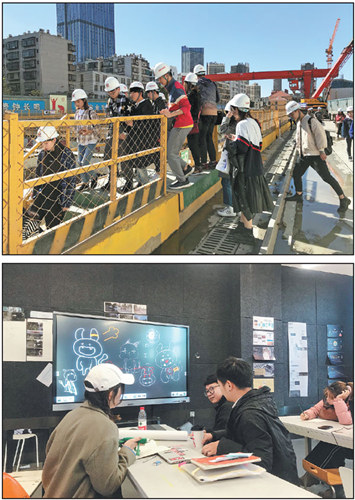
Design students contribute ideas for boosting non-fare income and improving the travel experience of Kunming's subway.
When Line 1 of the Beijing subway, the country's first subterranean railway, was officially opened in 1969, it served only 10 stations and carried few people.
Today, the greatly extended route has become one of the busiest along the capital's rail network, and such day-to-day mass transit has also been established in other populous cities across China, where subway construction is booming.
An increasing number of urbanites spend longer hours on the subway, which they use not only for daily transportation to and from work but, as a meeting point for social engagements and, as their steel and concrete expand and take root, to explore the farthest reaches of China's growing megacities.
This continued expansion opens up the prospect for more businesses to diversify and enhance the subway experience for travelers, while helping to generate revenue streams other than those generated by ticket fares. As such, urban construction planners are seeking a rich source of innovative ideas to boost this rising non-fare economy.
In Kunming, the capital city of Southwest China's Yunnan province, art colleges have been invited to contribute to the design of products and services for the city's subway Line 4 that is currently under construction.
Kunming now has four subway lines in operation. Line 4, which is expected to help the city's western area flourish, will connect universities, railway stations and commercial centers.
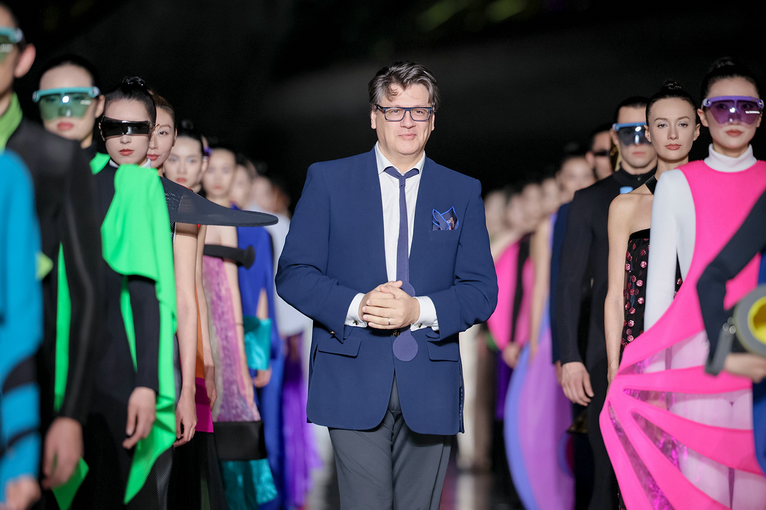
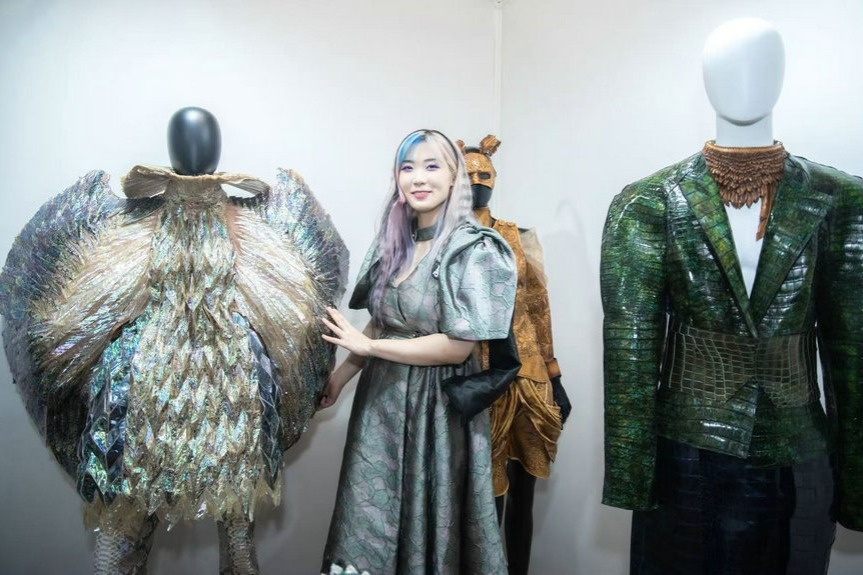
Around 200 teachers and students from the Central Academy of Fine Arts in Beijing and Yunnan Arts University in Kunming spent six months last year researching passengers' experiences on the current lines. After working on the project with designers of Beijing Urban Construction Design and Development Group, they recently unveiled 12 designs in Beijing.
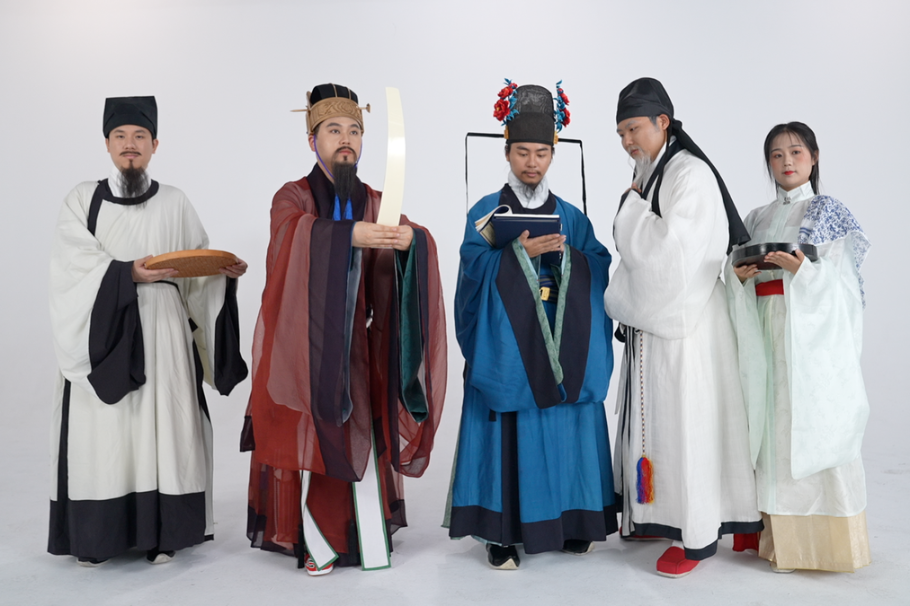
The designs imagine a scenario of subway life in the future by proposing several possibilities: The subway becomes the intellectual property, or IP, of a city's branding; a space that engages passengers with different kinds of immersive environment; a vehicle to revive local cultural heritage; and a demonstration field for technological progress.
- Sino-Greek coproduction 'Agamemnon' amazes audiences in Beijing
- Ancient roots with sharp modernity: Nobel laureate on Chinese culture
- Stathis Livathinos: Staging a Sino-Grecian theatrical collaboration
- Hee-Young Lim: An unexpected journey of a cellist
- Veteran stage actor, director unveils life of the theater