Fast work to regulate gene editing a good example









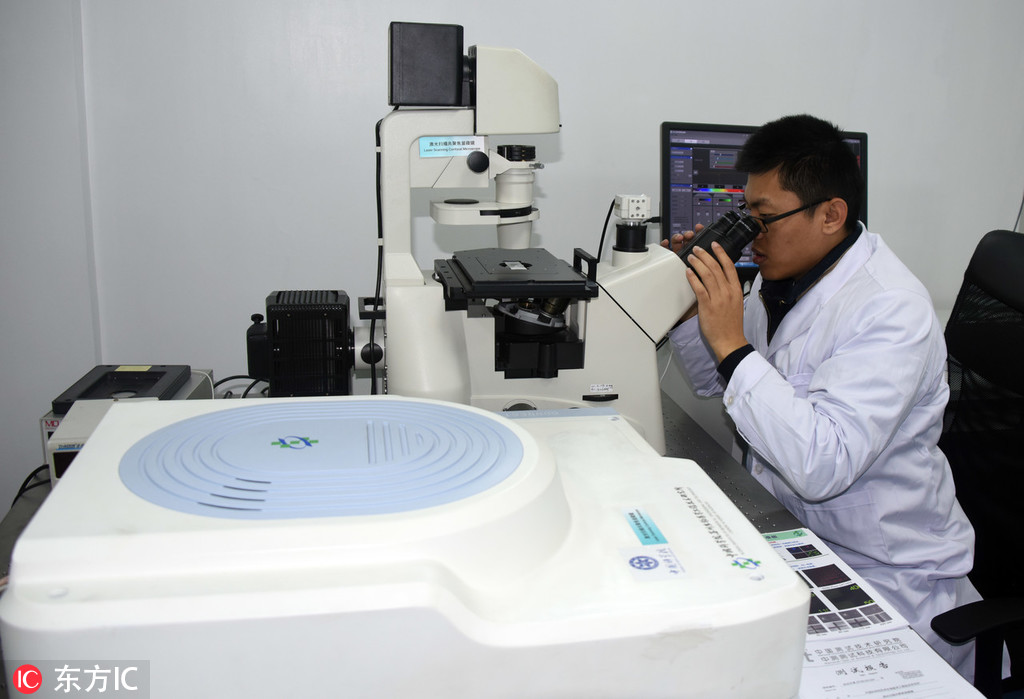
The news back in November that Chinese scientist He Jiankui had illegally edited the genomes of twin girls led to international uproar. Both in China and the wider world, experts condemned the announcement, calling it a worrying assault on the ethical fabric of society.
The twin girls, which He claimed are now HIV-resistant, were involuntary subjects in an "experiment" in the most volatile interpretation of the word.
The twin girls, nicknamed Lulu and Nana, were effectively used as guinea pigs for a very primitive and unproven form of gene editing.
China denounced the experiment and proposed stricter new gene-editing laws, which were outlined in late February.
This new legislation will act as a welcome safety belt for the genetics industry, which,while still in its infancy, is progressing around the world at a startling pace. Gene editing is still at a hit and miss stage, and refinement is needed.
The DNA editing tool CRISPR, which was only invented in 2012, is still associated with the possibility of unintentional and accidental mutations. These could easily cause problems in later life, with especially high chances of cancer potentially developing. The worry is that a lack of regulation in this field could both lead to an epidemic of socially and ethically disruptive "designer babies", and also widespread healthcare disasters internationally.
China's new legislation is not taking any chances. To help prevent such risks, the proposed rules require all life science clinical trials (gene editing or not), to be classified as high or low risk, with explicit government permission mandatory before even the first step in the lab is taken.
Any researchers and institutions, including hospitals, which violate this will be subject to a strict lifetime ban from research work and criminal investigations. Given that this area of science is touching on playing god, such deterrents will come as welcome relief to both ethical think tanks and human rights watch dogs around the world.
These regulations, however, will prove to be a bit of a double-edged sword. Keh Kooi Kee, a researcher at Tsinghua University, told the Associated Press that, since the He Jiankui incident, researchers such as himself have faced additional difficulty in getting research approved. Instead, a huge mountain of paperwork and red tape will now slow the process down. However, the seriousness of the issue warrants such caution. A dystopian future, in which people can alter the most personal and deterministic things in others at the snap of a finger, should be treated with caution at the highest level.The ease with which such power could fall into the wrong hands cannot be understated.
Way back in 2017, fears were raised that the DNA editing tool CRISPR was accessible and easy. Mail order CRISPR kits cost just $130, and can be used to hack the DNA of bacteria to produce potentially dangerous mutants. Users of the kit do not need a PhD to make it work, they only need to be able to follow a basic set of instructions and use plastic tubes and pipettes. Granted, modifying bacteria is not the same thing as editing a human, but the basic principle remains the same and we share the same DNA templates.
After Nana and Lulu, we cannot stay in denial and must admit the intention to push boundaries extra-judicially does exist. The Chinese authorities have reacted fast to this incident with proposed legislation that might ordinarily have taken years to draft. It is a welcome example of the kind of action the rest of the world should also take.





- Remains of former senior Chinese legislator Peng Peiyun cremated
- World's longest expressway tunnel opens to traffic in Xinjiang
- Xinjiang opens world's longest expressway tunnel
- Beijing's Tongzhou Railway Station to open Dec 30
- Frozen Yellow River waterfall captivates tourists
- Sixth-gen clay figurine heir focuses on spirit over color