Da Mag group sees incomes and status rise after becoming part of New China









Homeless and poor
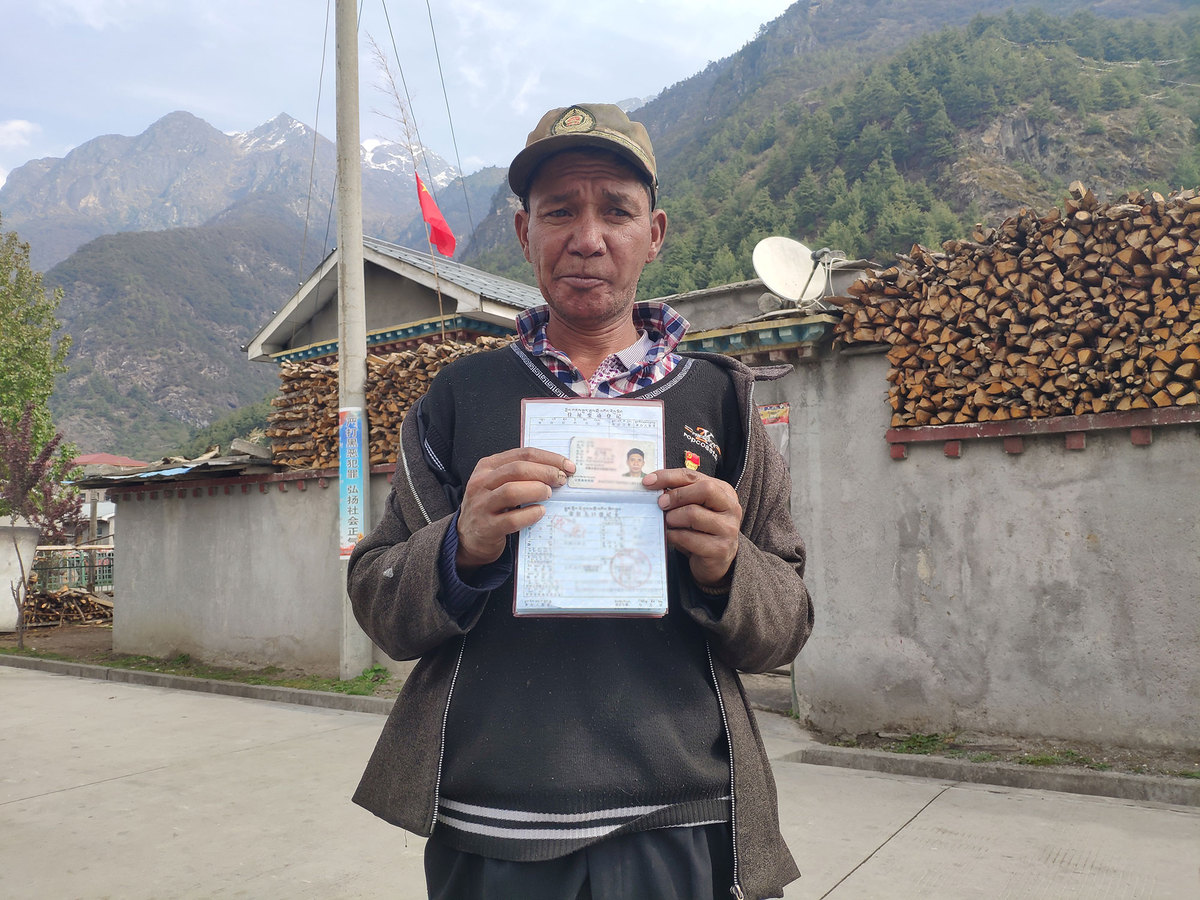
Tashi Dhodrub is the best blacksmith in Da Mag village, and the decorative metal belts he makes are so popular with local Tibetan women that he can easily sell them for 500 yuan ($72.50) each.
The 50-year-old learned his skills from his father - ironmongery is a traditional trade among the Da Mag - but decades ago, his father barely made a living using the same techniques.
"Since we did not have a house, we lived under the landlord's roof. My parents had to work for the landlord to pay the rent and get three meals a day. Apart from that, they were not paid anything," said Tashi Dhodrub, recalling conditions when he was age 12.
"The eleven people in my family shared a single room. It was dirtier than a cowshed. The walls were made of mud and the roof leaked, which let in rain and snow. There was no bed, so we slept on the bare ground."
Poverty didn't just affect Tashi Dhodrub's family. According to Losang, 50, who became the first head of the village when it was founded in 2003, it was normal for the Da Mag to live this way before they were granted Chinese nationality.
They lived in harsh conditions, relying on odd jobs provided by landlords to earn a living, such as helping with farm work, collecting cow dung, making farm tools from iron and carrying goods, said Losang, who like many of the residents only has one name.
When the work was done and the landlords no longer needed them, they were kicked out of the house and had to find another person to hire them.
Lacking money, the people were forced to eat leftover food and wear discarded clothes and shoes they found in trash cans.
Naturally, they were dirty and smelled strongly. The Tibetans disliked them, so they were not allowed to eat at the same tables or sit near the locals.
The lack of identity documents and poverty meant Da Mag children were excluded from schools in the region.
"I would see other children hopping and skipping and singing on their way to school with their schoolbags, but my brother and I could only watch through the classroom window," said Dradul, 27, adding that he longed to go to school when he was a child.






- New penalties planned for violations related to radioactive waste management
- Best practices in youth cultural exchange released at Chongqing conference
- Yearender: China's 2025 space endeavors have seen new milestones
- HR conference sparks discussion on talent potentials in AI era
- Exhibition of entries for 6th China animal specimen competition opens in Shanghai
- Steam train ice sculpture wows Harbin ice festival