


Chinese American musical maestro debuts latest concerto









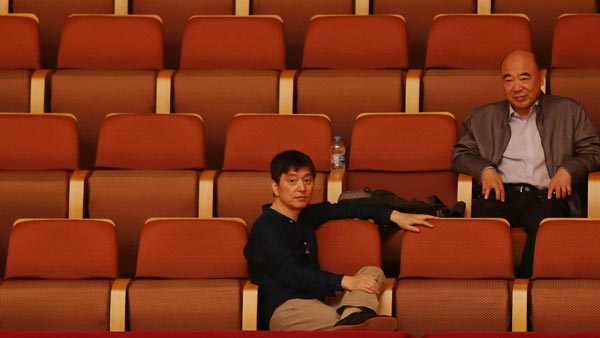
Pulitzer Prize-winning Chinese American Zhou Long premiered his new concerto Classics of Mountains and Seas at the Shanghai Symphony Hall on June 22.
The concerto was performed by the Shanghai Symphony Orchestra under the baton of Shui Lan. The composition, which is based on a theme of Chinese mythology, was commissioned by the SSO as part of a series of new creations aimed at promoting Chinese culture to international audiences, according to Zhou Ping, head of the symphony.
The premiere of the concerto also marked the completion of the Symphonic Music in China 1949-2019 project which was jointly launched in 2017 by the SSO and the Shanghai Music Publishing House. The project consists of 70 symphonic works which document the development of symphonic music in China.
The collection of music albums and publications will be released in September, in celebration of the 70th anniversary of the founding of the People's Republic of China.
Born in Beijing in 1953, Zhou Long is known internationally for his works that blend Eastern and Western music. According to Beijing-based music critic Li Hong, Zhou Long was among the first generation of musicians from China to study abroad after the nation's opening-up in the 1980s.
Zhou Long's composition for Madame White Snake, an opera based on Chinese folklore, was awarded the Pulitzer Prize for music in 2011. He was the first Chinese composer to win the prize.
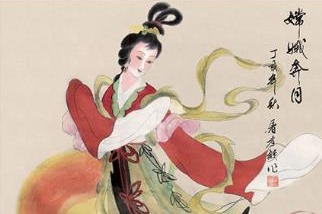
Classics of Mountains and Seas is a compilation of mythical Chinese tales. The classic text dates back as early as the 4th century BC, but the surviving form is traced to the Han Dynasty (206 BC-220). The book is divided into 18 sections, but instead of following the narrative of the original text, Zhou Long created a concerto of five movements, each depicting the mountains and landscapes in northern, western, eastern, southern and central China, as well as their distinctive local customs.
"I hope to interpret the classic text from a geographical perspective to paint a picture of the waters, mountain ranges, folk customs and rituals in China, using a large-scale orchestra," says Zhou Long. "It's like a musical map of China."
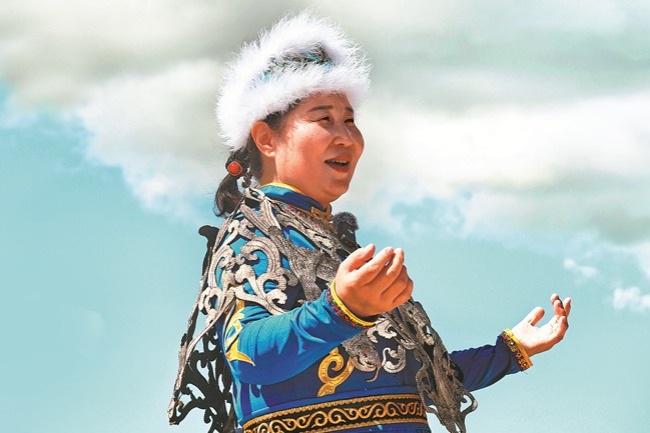
Elements of folk music used in the concerto include traditional Mongolian khoomei, a unique type of throat-singing, the contrabassoon, the piccolo and the Tibetan "Bon'e ri" music form, used in rituals, that is mimicked by the trombone and English horn.
According to Zhou Long, various techniques have been used in his composition to mimic the tone of traditional Chinese instruments. "It is an important way for me to showcase the cultural spirit of China," he says.
Shui Lan, a conductor who has played Zhou's compositions several times, praises Zhou's work as being colorful and full of imagination.
"Sometimes I would ask instrumentalists to think about Debussy to help them understand Zhou's music, and they immediately get it," he says.
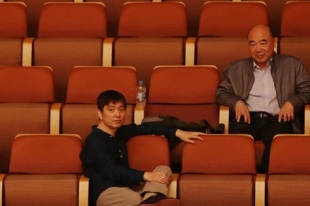
"This concerto is grand and magnificent, but with details that are intricate and precise," he adds. "Zhou Long worked very closely together with us. He would sit at different locations in the music hall to experience the acoustic balance and make adjustments."
Zhou Long attributed his knowledge of folk music to his experience of studying at the Central Conservatory of Music in Beijing during the 1980s when he collected many folk songs from remote areas each summer.
"These traditional elements of Chinese culture and folk music are fundamental and inseparable parts of my composition. Westerners expect Chinese composers to express their own culture through music," Zhou says.
"Cultural nourishment is necessary for a composer. A distinctive cultural label is a must for modern composers to reach new heights in their artistic achievements," he adds.
Tang Xiaofan contributed to the story.
ZHANG KUN in Shanghai