How big data and AI can help in the battle against future virus outbreaks









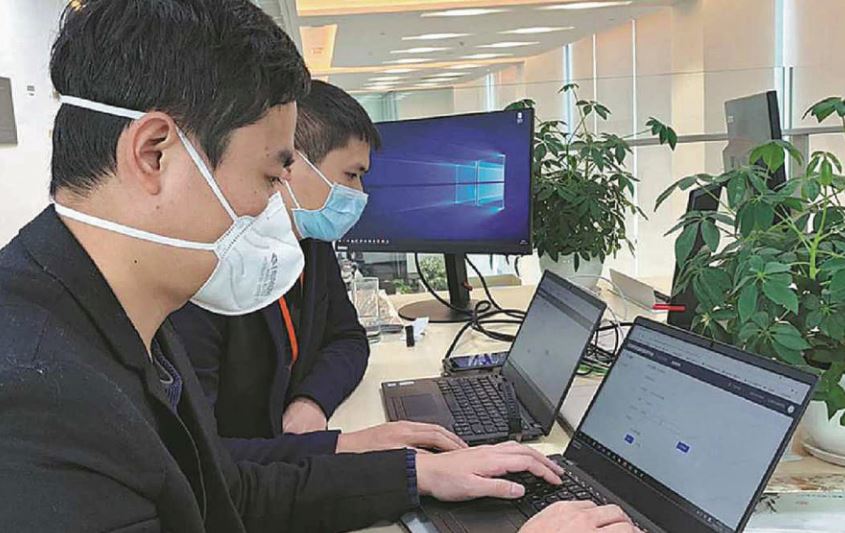
The worldwide outbreak of novel coronavirus begs the question; how much can be done to stem the spread of this debilitating disease using artificial intelligence and big data analytics?
Tracking and predicting the spread of a pandemic using big data, and using AI to help find treatments, are crucial in an era where it appears our lifestyle seems to count against us, as infections spread internationally through mobile and densely-packed populations.
Intelligent systems used across the world are now sifting through large amounts of data to determine the chances of disease occurring within certain populations, and to track its spread.
Systems like BlueDot accurately predicted the nature of the SARS epidemic some years ago, and such systems can be used to allocate resources and healthcare operations. The use of predictive analytics alongside advancements in geographic information system technology means large amounts of information are as useful as ever and easily visualized.
Such systems correctly identified high-risk cities that have close airline connections with Wuhan by analyzing data, including airline ticket purchase data. This found cities including Seoul, Taipei, and Hong Kong to be at risk.
Many cities in the system's high-risk category became the first hotbeds of COVID-19 infection outside China. Others used the information to curb infections early on.
Machine learning can also sift through online chatter to gain a better idea of where infections are spreading.
Harvard Medical School is using machine learning tools to do what is called natural language processing. The tool can distinguish between people who are complaining about novel coronavirus symptoms and those who are merely discussing its effects, but who are not acutely affected by it.
It is theorized that, this way, researchers can use online social media information to figure out the location of outbreaks as they happen, which can shape fast-changing local government policy.
In practice, that means governments affected have a much better idea of how to protect their people, and can share this information to help stem the global pandemic.
In Shanghai, such big data is being leveraged to mitigate further risk.
High temperatures, travel history and other information has been collected recently from workers, and sent for analysis.
In a statement, Shen Yuxin, the director of the data department at Shanghai Municipal Public Security Bureau, said: "We can see the personnel inflow and movement clearly and know where they stay in the city, especially those who come from the epicenters. So, we can take measures in some targeted districts and communities to prevent the virus from spreading."
This data is integrated across multiple government sectors, including health and transport authorities and the police. Local community workers can then be directly contacted and asked to take action.
The use of advanced technology to combat global pandemics is a must, if we are to continue our modern way of life. Pandemic control systems must be put in place and fortified, with heavy investment not just in times of crisis, but for whenever the next epidemic happens.