Fiscal, monetary policies key to recovery









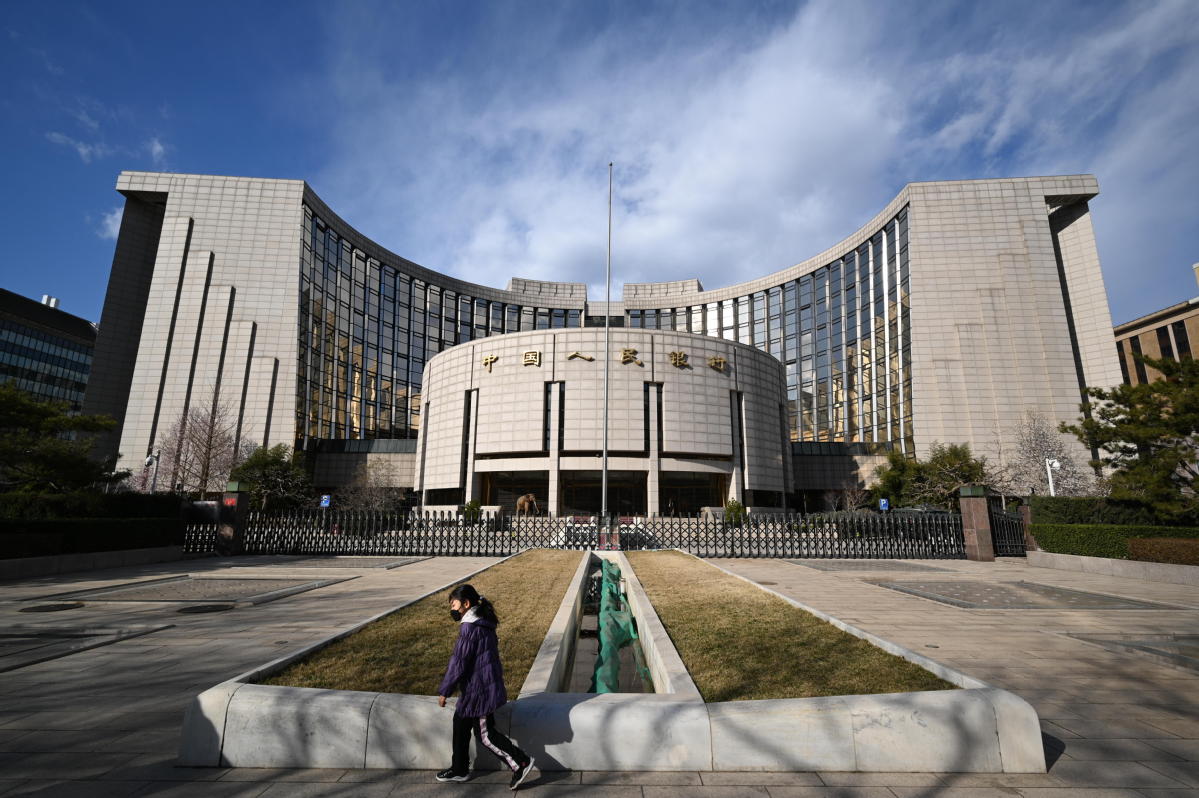
Fiscal policy-along with monetary measures-are expected to play key roles in helping the Chinese economy get past the COVID-19 shock.
As the pandemic dealt a double blow on economic and financial fronts, the international community has largely reached a consensus: The global economy is heading for a recession this year, the degree of which may be as deep as the 2008-09 financial crisis, if not worse.
Central banks and fiscal authorities around the world have rushed to put in place a series of measures to cushion the impact. The moves have ignited discussion about what the appropriate roles of fiscal and monetary policies are amid this unprecedented shock and how they should coordinate with each other.
We believe that for China, proactive fiscal policy should dominate, while monetary policy may be of secondary importance.
A recent top-level meeting that decided to issue new special sovereign bonds-the first time since 2007-to raise the budget deficit ratio and to bolster the scale of local government special bonds may have indicated this path going forward.
The basic logic is that the pandemic is an external shock in nature, not a cyclical or structural factor. Therefore, policy focus should be on accurately cushioning induced losses and preserving the basis for economic recovery. Solely relying on demand stimuli or counter-cyclical adjustments would be useless.
As fiscal policy targets the real economy more directly, it should be more effective in dealing with the downside risks at present. The primary objective of proactive policy should be improving people's living standards and bailing out hard-hit businesses.
On the one hand, fiscal steps must be taken to stabilize earnings of low-income individuals and those seriously hit by the pandemic, thus unleashing domestic consumption potential.
Domestic consumption has recovered of late, but at a weaker-than-expected pace. This is partly because the lingering risks of imported and asymptomatic cases have prompted many contagion containment measures to be continued. For example, many companies still require their employees to work at home.
To expedite a consumption recovery, the authorities may consider raising the earnings threshold of individual income taxation from 5,000 yuan ($708) to 6,000 yuan per person per month, while offering consumption vouchers to low-income individuals and residents in the hardest-hit Hubei province.
These measures matter as the low-income group are the most inclined to consume upon income increases, but have seen their pay battered by the epidemic.
On the other hand, ramping up fiscal support to help businesses, especially small businesses, ride out their difficulties is also crucial. Whether companies can survive and resume their supply capacity to levels prior to the outbreak depends on whether the economy can register a brisk recovery.
Further tax and fee reductions, such as tax rebates and rental payment exemptions, can be taken into consideration. Encouraging policy banks, funded by the government, to directly lend to small businesses together with commercial banks-and share credit risks-should also be looked into.