



Collective bargaining way forward for athletes, says study









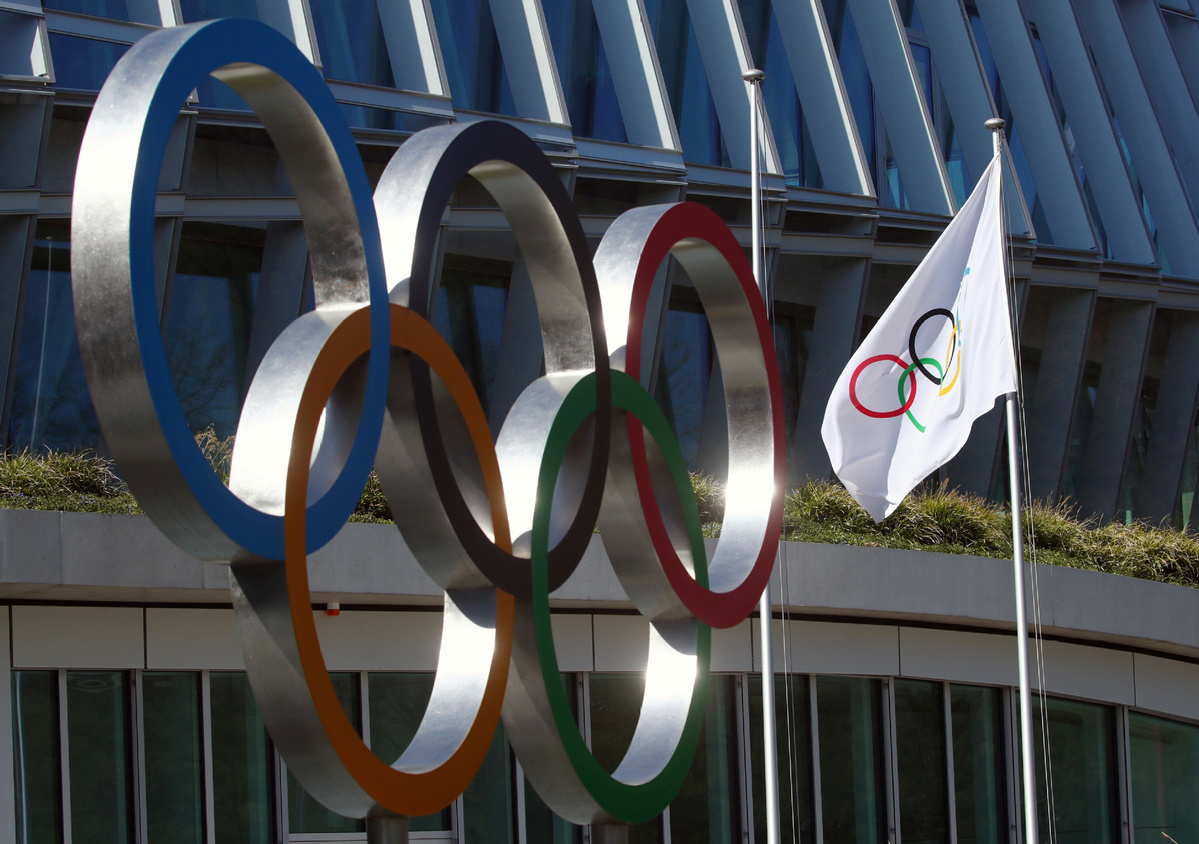
A study of the worldwide Olympic bureaucracy's finances concludes there's far more money available for athletes than what they receive, and that they would be best served by the sort of collective-bargaining arrangement that's common in North American pro leagues.
The study, a collaboration between the Global Athlete advocacy group and the Ryerson University Ted Rogers School of Management in Toronto, said the International Olympic Committee averages $1.4 billion a year in revenue and spends 4.1 percent of it on athletes.
Even since the Olympic Games departed from the amateur-only model on which they were founded, the majority of athletes have been largely dependent on their own sports organizations and national Olympic committees for funding. Lucrative sponsorship deals exist for only a small percentage of top-tier Olympians.
At the same time, the study says, because the IOC receives most of its revenue (91 percent) from TV and marketing and virtually nothing from donations, its model is more in sync with the NFL, NBA and other pro leagues than the family of nonprofit organizations it is part of.
The study says those pro leagues return between 40 and 60 percent of their revenues to the players, while the Olympic movement gives back 4.1 percent, the bulk of which "is mostly through scholarships, grants and awards for successful competition, numbers which athletes cannot negotiate".
"If the IOC and its affiliates are unwilling or unable to compensate its athletes, collective bargaining will change the face of the Olympic Movement," the study said, while also underscoring athletes' chances of grabbing a central role in reshaping the movement in the wake of the coronavirus pandemic that has delayed the 2020 Tokyo Games by a year.
The IOC called the claim that it spends 4.1 percent of its revenue on athletes "just plain wrong".
"It redistributes 90 percent of all its income generated from the Olympic Games to assist athletes and develop sport worldwide," the IOC said.
"As a result, every day the IOC distributes about $3.4 million around the world to help athletes and sporting organizations."
As detailed in its annual report, among the areas the IOC sends money to are international sports federations, national Olympic committees and the World Anti-Doping Agency.
The IOC also sends about 28 percent of its budget to local organizing committees for the Olympics; in 2016 and 2018, that amounted to $1.7 billion, the study said. Without the Olympics there would be no grand stage on which the athletes could perform. That has long been an IOC argument in defending its overall model, as well as Rule 40, which limits the amount of sponsorship-related revenue athletes can generate during the Games themselves.
Over recent months, the IOC has allowed countries to relax some of those restrictions, but the study argues athletes would be much better off if Rule 40 was abolished altogether and replaced by collective bargaining.
The study outlined a complex web of Olympic finance and bureaucracy that it says is outdated. It describes a system in which the vast majority of money flows in from broadcasters and sponsors, then filters through hundreds of Olympic-related subsidiaries across the globe before, eventually, a small amount gets to the athletes themselves.
The study estimated the average Canadian athlete in 2013-14 spent about $15,000 more than he or she made in a year.
"If the IOC is truly against the commercial abuse of athletes, it will find a way to pay its athletes back," the study concluded. "If not, it will be up to the athletes themselves."
AP via Xinhua


Most Popular
- Sanya Marathon draws 14,000 runners from 19 countries and regions
- Pickleball tournament brings social and economic benefits in Luzhou
- Wrestling with their limitations
- Looking to make a powerful return
- 'China Swing' proves to be an economic grand slam
- Grassroots soccer captivates fans, bolsters economy