Leak of virus impossible, biosafety lab chief says









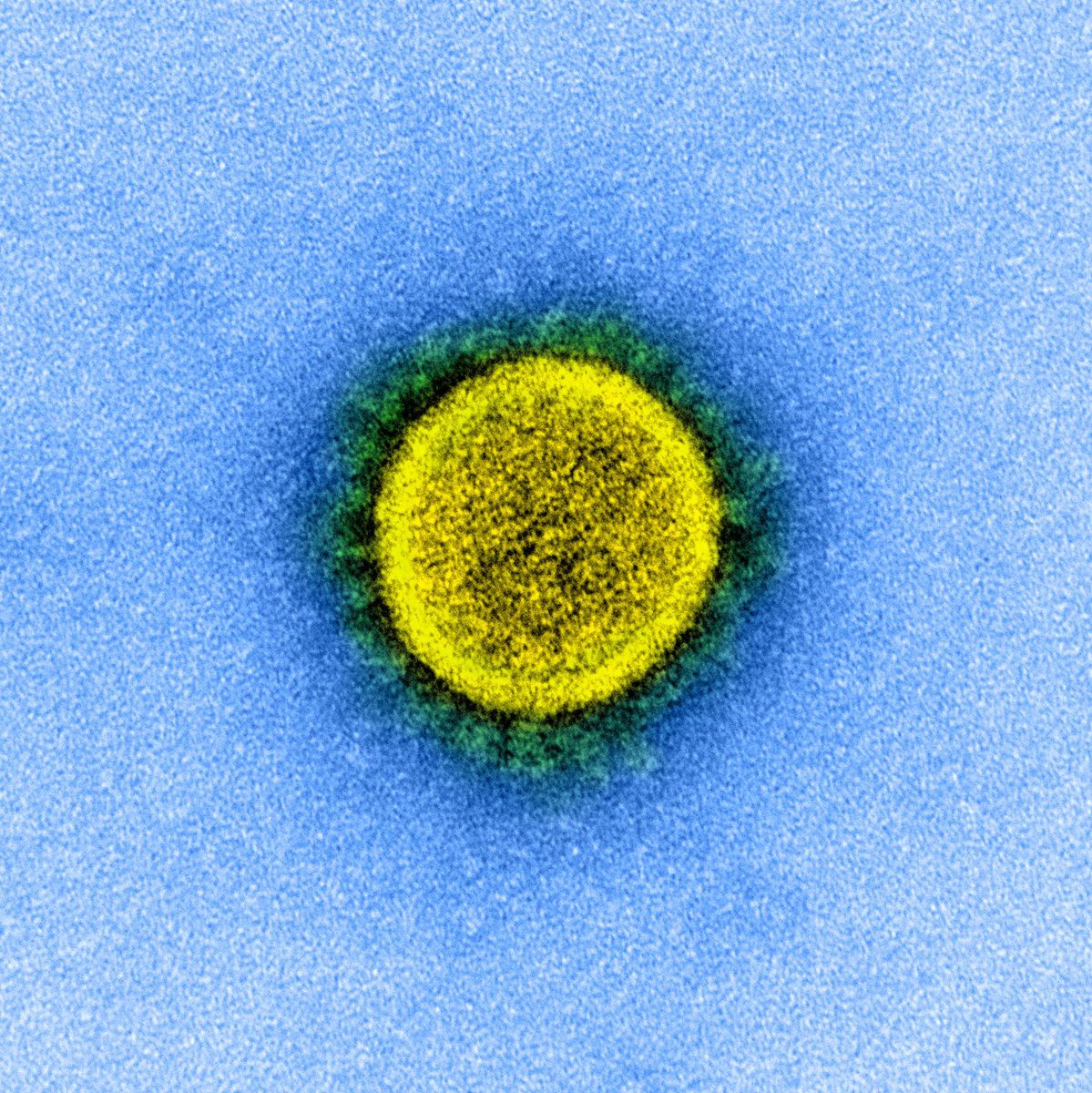
A senior researcher at the biosafety lab and virology institute in Wuhan, Hubei province, said that strict security protocols have made it impossible for a virus to escape from the lab.
"Our lab not only has a high level of biosafety infrastructure, we also have established a set of rigorous biosecurity protocols to ensure the lab operates safely and efficiently," said Yuan Zhiming, president of the Chinese Academy of Sciences Wuhan Branch and head of the Wuhan National Biosafety Laboratory. Yuan spoke in an interview with Science and Technology Daily that was published late Sunday.
The remarks were made in response to conspiracy theories hyped by some US media and politicians. For months, some foreign media organizations and politicians have speculated that the novel coronavirus had escaped from the Wuhan Institute of Virology or its Bio-Safety Level 4 Lab, also known as the P4 lab. The Sino-French-built lab is believed to be the only facility in Asia capable of studying the world's most deadly and contagious pathogens, including the Ebola and Marburg viruses.
The conspiracy theories resurfaced when some United States politicians, such as Secretary of State Mike Pompeo, recently claimed they had evidence showing poor management of the facilities that led to an accidental leak of the virus. The US has not released such evidence.
Yuan said the P4 lab is a flagship facility run by the Wuhan National Biosafety Laboratory, which also operates two lower-level, P3 labs. These three labs, along with a number of P2 labs at the institute, form a bioresearch cluster dedicated to basic research in general virology.
He said the core facility of the P4 lab is completely sealed off with stainless steel enclosure walls and pressurized environments to ensure no virus can escape from the "box-in-box" confinement.
All exhaust from the rest of the lab must go through two powerful filters, and all wastewater must be boiled and properly treated, he said. Every piece of contaminated waste must be sterilized in high temperature pressure chambers before delivery to authorized institutions for disposal.
As for personnel, candidates for positions at the lab go through meticulous training and pass annual physical and psychological assessments, Yuan said. They have to be screened and approved by the lab's director before starting work.
Before entering the facility, all researchers have to report their health condition, wear full-body hazmat suits, and go through several steps of sanitization. They must strictly follow access procedures after entry.
To eliminate human error, the lab must have at least two scientists working at any given moment. "Nobody can enter the lab alone," he said.
The entire lab environment is rigorously monitored with security cameras and myriad biosensors that immediately alert the supervision center in case of an emergency, Yuan said. All physical equipment in the lab is examined annually by third-party institutions, and the lab's operation must pass scrutiny by the nation's regulatory bodies every year.
Since Dec 30, the P4 lab has been tasked with isolating the novel coronavirus, as well as cultivating the virus for research using animals, Yuan said. Now, the lab is working on evaluating plasma and antibody treatments, testing disinfectants, evaluating antiviral drugs' potency in animals and developing an inactivated vaccine with dead viruses.
"This work has provided the vital groundwork for studying the virus' contagiousness as well as evaluating various antiviral drugs and vaccines against the disease," he said.
Guan Wuxiang, deputy director of the Wuhan Institute of Virology, said that the institute had fully sequenced the virus' genome and was one of the institutions authorized by the National Health Commission to release genetic data to the World Health Organization on Jan 11.
It partnered with medical companies in Guangdong province to create nucleic acids tests and antibody tests. The institute also found drug candidates, such as chloroquine phosphate and Favipiravir, that showed potential to inhibit the virus in vitro, Guan said.
Scientists worldwide have said on multiple occasions that current human technology cannot artificially create something as intricate as the novel coronavirus without leaving any trace of tampering with its genome or without knowing its full genetic makeup in advance. All available evidence shows that the virus is natural in origin, the World Health Organization has said.



- Probe identifies cause of tragic Hebei nursing home fire
- Safety breaches, substandard materials, management failures caused Fuzhou accident: report
- Cutting edge UAV completes maiden flight in Sichuan
- Hainan registers record flow of foreign visitors
- Hebei discovery sheds light on development of Stone Age tools
- Lion parade sparks debate at Anhui zoo