Instant delicacies heating up market









Instant, self-heating meal options have seen a sales surge since the COVID-19 outbreak as they are convenient to prepare, and they are expected to continue to attract Chinese consumers after the disease comes under more complete control.
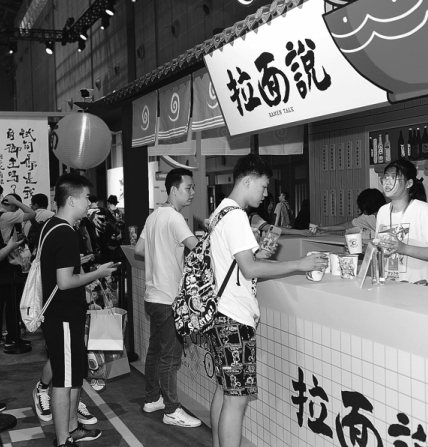
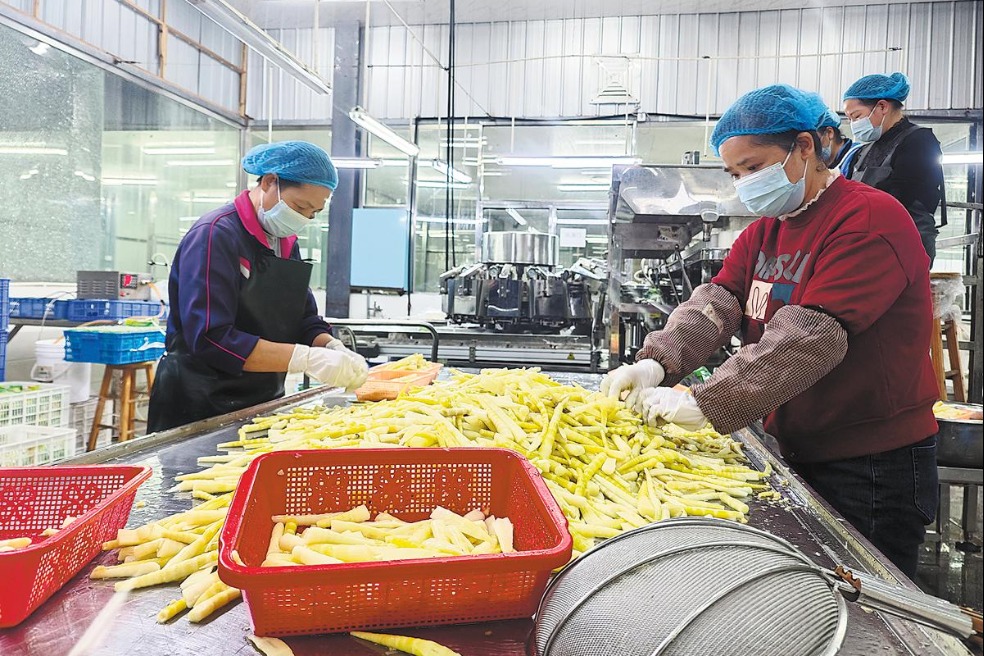
Ramen Talk, an online noodle retailer founded in 2016, aims to sell high-end healthy ramen. Unlike traditional instant noodles, it packages semi-dried fresh noodles, fresh roasted pork, bamboo shoots, scallions and refined soup bases in boxes, and just a few minutes of heating is required.
In the first quarter, Ramen Talk achieved sales of more than 100 million yuan ($14.14 million) in China, twice as high as expected. Last year, the brand achieved sales revenue of 250 million yuan and it hopes sales will exceed 600 million yuan this year, the company said.
Yao Qidi, founder of Ramen Talk, said there are more than 200 million singles living in China. Many of them might not want to cook full meals, and they don't feel like eating instant noodles too often. By quickly cooking a bowl of tasty noodles with multiple ingredients, it makes them feel that they are taking proper care of themselves.
Chen Ke, senior partner and vice-president of consultancy Roland Berger China, said: "With higher incomes and longer working hours, most urbanites spend less time doing housework. Besides, the size of Chinese families who live together is becoming increasingly smaller, and more people have shown less inclination to go grocery shopping and cook full meals.
"Now, a large number of young people prefer fast foods that are convenient, delicious, nutritious and can reflect personality, and are not purely seeking something cheap. Many newly emerging instant noodle and rice noodle brands can come close to tastes found in restaurants and even develop some new flavors, and thus they meet demand from young consumers."
Such foods have seen a sales surge since the COVID-19 outbreak. On JD, a major e-commerce platform, sales of instant foods jumped 3.5 times year-on-year in the first 10 days after Chinese Lunar New Year's Eve (Jan 24) this year.
With the contagion gradually coming under better control in China and more people going out to eat, Chen said this doesn't mean that instant meals will fade away. In fact, they are expected to see further growth. The biggest challenge they face is to provide popular and sustainable products.
Traditional instant noodles require boiling water, but self-heating foods-such as rice and hotpot dishes-are even easier to cook. They can be heated up after opening via a chemical reaction, or after simply adding tap water. Haidilao, a renowned Chinese hotpot chain, saw sales of its instant foods such as self-heating hotpots and rice dishes reach 999 million yuan last year, surging 122.3 percent year-on-year. The instant food category was second-highest in revenue for the company, according to its earnings report.
Recently, the restaurant launched new instant products, including instant rice noodles, and instant rice served with meat and vegetables on top.
Haidilao is also expected to launch hotpot options that can be heated in microwave ovens, and they will have more environmentally friendly packaging, said Everbright Securities.
Within the instant foods market in China, shares of self-heating products grew from 4.4 percent in 2018 to 7.6 percent in 2019. Total sales revenue reached 710 million yuan last year, according to market research agency Mintel.
Backed by advanced technologies, sales of instant foods began to grow again after a period of decline. The biggest change is the self-heating technology, and self-heating products cover a wide range of traditional Chinese cuisines, said Annie Jiang, a food and beverage analyst at Mintel.
"With the growth of self-heating foods, most online retailers of self-heating foods have stood firm in the market, and they should expand offline sales channels to attract more curious consumers," Jiang said.
"Consumers hope instant foods taste like freshly-made meals, and more varieties are expected to emerge to fulfill diversified demand. Next, the innovation of instant foods should offer more added value in terms of flavor, food safety and healthiness, quality of raw materials and production technologies," she added.




Today's Top News
- US?arms sale only a?'bomb' to Taiwan
- China-Cambodia-Thailand foreign ministers' meeting reaches three-point consensus
- Drills demonstrate China's resolve to defend sovereignty against external interference
- Trump says 'a lot closer' to Ukraine peace deal
- China pilots L3 vehicles on roads
- PLA conducts 'Justice Mission 2025' drills around Taiwan