Reforming public health systems









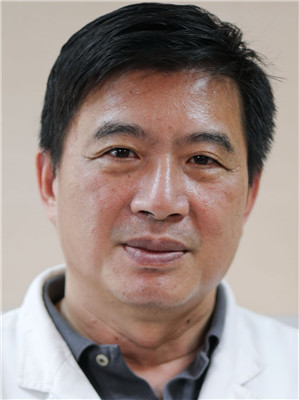
Doctor calls for stronger disease control system
After working as a doctor on the front line of the novel coronavirus outbreak since January, Cai Weiping put aside his white gown and flew to Beijing a few days ago to serve as a deputy to the National People's Congress, which opened its annual session on Friday.
Cai, head of the infectious diseases department at Guangzhou Eighth People's Hospital in Guangzhou, Guangdong province, has proposed building an efficient, open and transparent prevention and control system for infectious diseases and the development of more comprehensive facilities for treatment of the diseases.
"China has already built a nationwide monitoring system for new infectious diseases," he said. "But we need to optimize a quick response mechanism and build an independent system to increase public awareness of infectious diseases."

Adviser calls for enhanced medical education, research
To improve the existing public health system, medicine and disease prevention should not be separated, and more importance should be paid to their integration so they can better cope with the challenges posed by major public health emergencies, Wang Chen said.
Medical training needs boost, says academy chief
More efforts are needed to strengthen the education and training of medical talent in the wake of the COVID-19 epidemic, Wang Chen, president of the Chinese Academy of Medical Sciences, also a member of the Chinese People's Political Consultative Conference National Committee, said on May 21.





- Shanxi ends province-wide blanket fireworks ban
- Audit: China fixes bulk of fiscal problems tied to 2024 budget
- China reports major gains in circular economy
- Chinese lawmakers review draft revision to banking supervision and regulation law
- Top legislature to study draft laws on environment, ethnic unity, national development planning
- Administrative organs must secure people's interests: senior judge