Crisis puts healthcare gender gap in spotlight









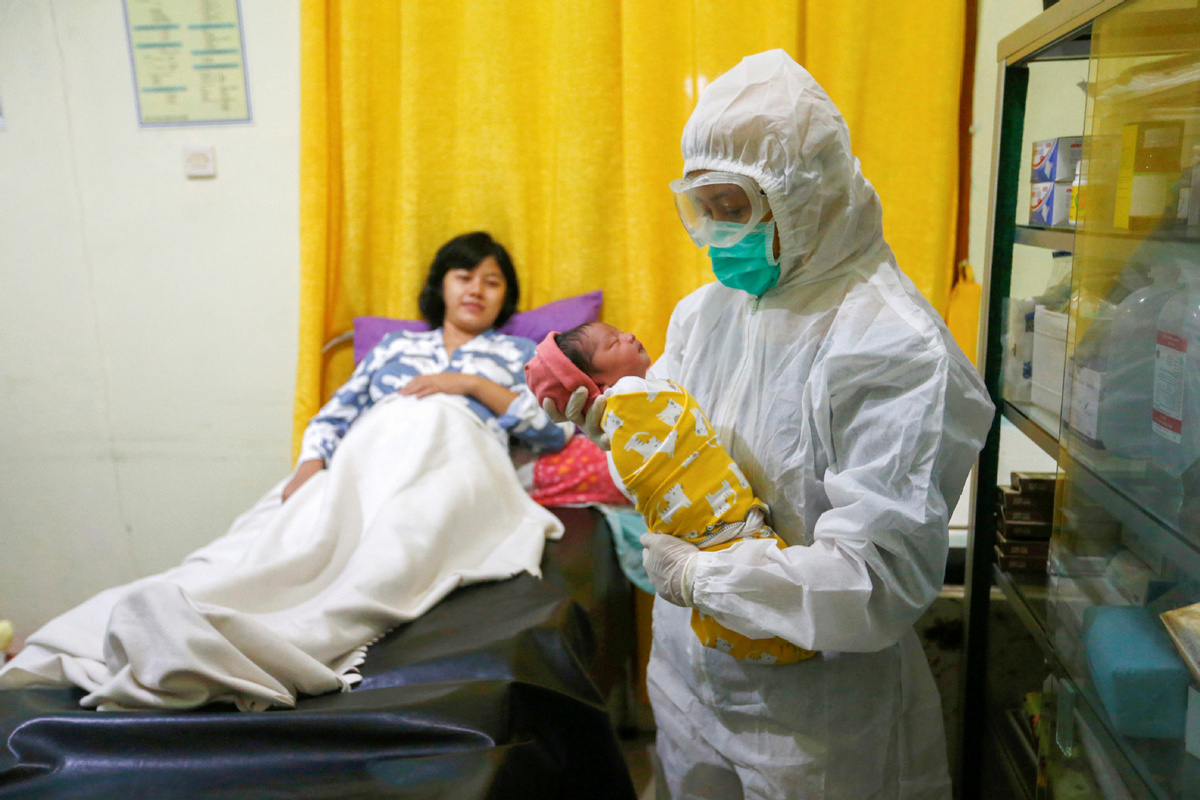
In Indonesia, heartbreaking stories about healthcare workers who died as a result of COVID-19 started appearing in newspapers within weeks of the country's first diagnosed cases.
Doctors, nurses and other frontline health workers without appropriate personal protective equipment were falling gravely ill, and in far too many cases, dying. Similar stories appeared across many member states of the Association of Southeast Asian Nations.
We are about six months into the COVID-19 crisis and a few things have become clear: Older people are more vulnerable to the disease and more likely to need substantial care; increased exposure results in higher likelihood of infection; a strong immune system is key to minimizing susceptibility; and women who are caring for others are often expected to maintain their usual roles, which leads to long hours of work, sleep deprivation, exhaustion, and ultimately less capacity to fight off viruses.
The World Health Organization estimates that women comprise a disproportionately large share of healthcare workers-70 percent of health workers globally.
In the informal sector, the discrepancy is even greater. Women are three times more likely than men to care for ill people.
These facts expose several issues related to a gender gap in healthcare, especially in the ASEAN region.
Women make up by far the larger percentage of coronavirus infections among healthcare workers. In a recent study based on data from Spain, UN Women found that 76 percent of infected healthcare workers were women. Similar percentages were found in the United States (73 percent) and Italy (69 percent).
This is dramatically higher than the percentages representing the general population, where women make up about 46 percent of those infected.
Furthermore, UN Women reported that women in the Asia-Pacific region are much less likely to receive health and safety information to help them prepare for COVID-19.
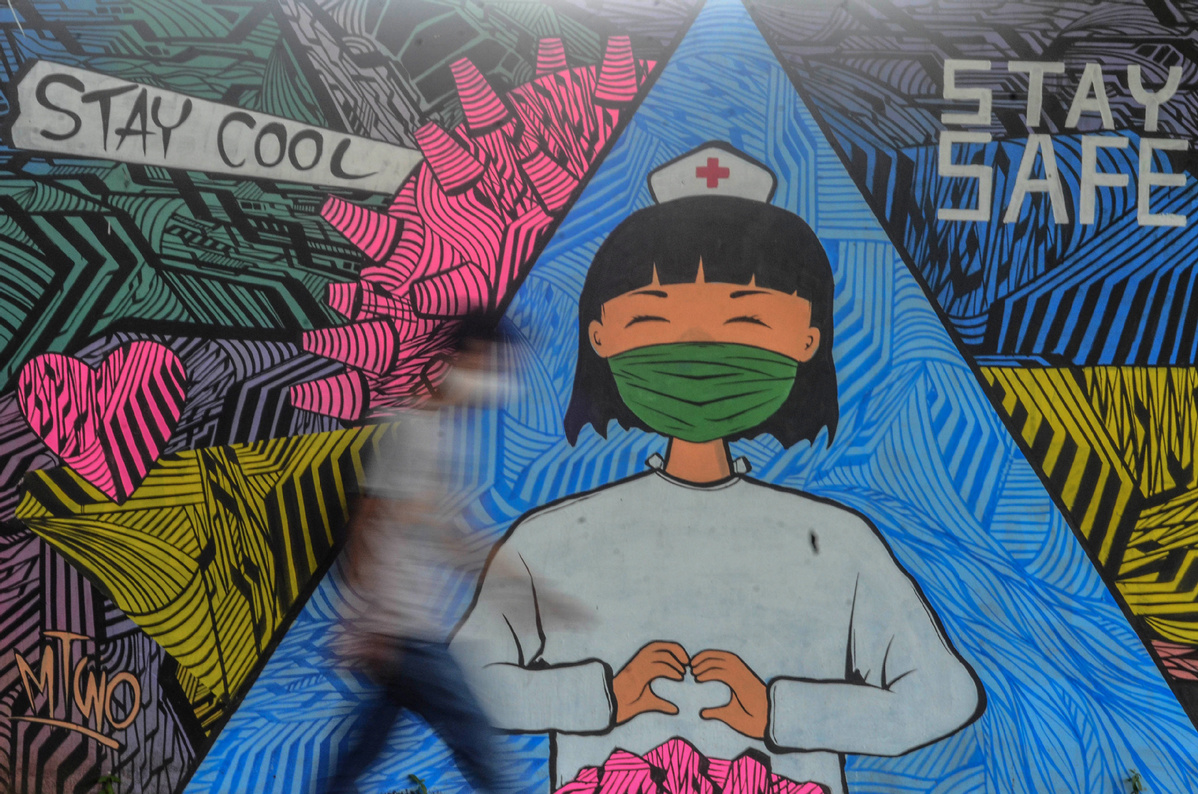
The immediate problem is how to assist the COVID-19 heroes-the women who make up the majority of caregivers for the sick and elderly. But this quickly merges into the larger issue of addressing the gender gap in aged care in ASEAN in general.
The impact of aging populations on women, as the main providers of elderly care, is huge. These jobs generally have low pay and often provide unsafe working conditions.
A recent study of elderly care in the Philippines, funded by the Economic Research Institute for ASEAN and East Asia, found that informal care for older people is provided by women to a far greater extent than by men.
The gender gap is even wider when it comes to long-term care, the study found.
Of the survey respondents, 73 percent of those over the age of 60 believed it was preferable to live with a daughter than with a son.
At a recent Economic Research Institute for ASEAN and East Asia event on post-COVID-19 care for older people, co-hosted by the Indonesian Ministry of Planning and Development, Kirana Pritasari, the director-general of public health at Indonesia's Ministry of Health, said about 80 percent of Indonesia's older people lived with families in which women were the main caregivers.
Here again, there is a huge impact on women-and in turn, on families-when it comes to caring for the elderly amid the pandemic.
In the informal sector, women who do not receive appropriate training are far more likely to become ill. They are also more likely to spread illness to their families, especially if they are not aware of appropriate protocols.
As ASEAN governments prepare recovery packages, they can consider addressing the gender gap in informal care as a long-term issue, not just one that has arisen due to COVID-19.
The pandemic, by exposing the essential nature of informal care, especially for older people, has raised awareness of the crucial role that women play.
Since ASEAN is home to some of the world's most rapidly aging populations, there is no better time than now, in recovery plans, to address the issue with policies and programs that tackle the current gender gap in long-term informal care.
The author is director of communications at the Economic Research Institute for ASEAN and East Asia in Jakarta, Indonesia.