



Sustainable recovery is the name of the game









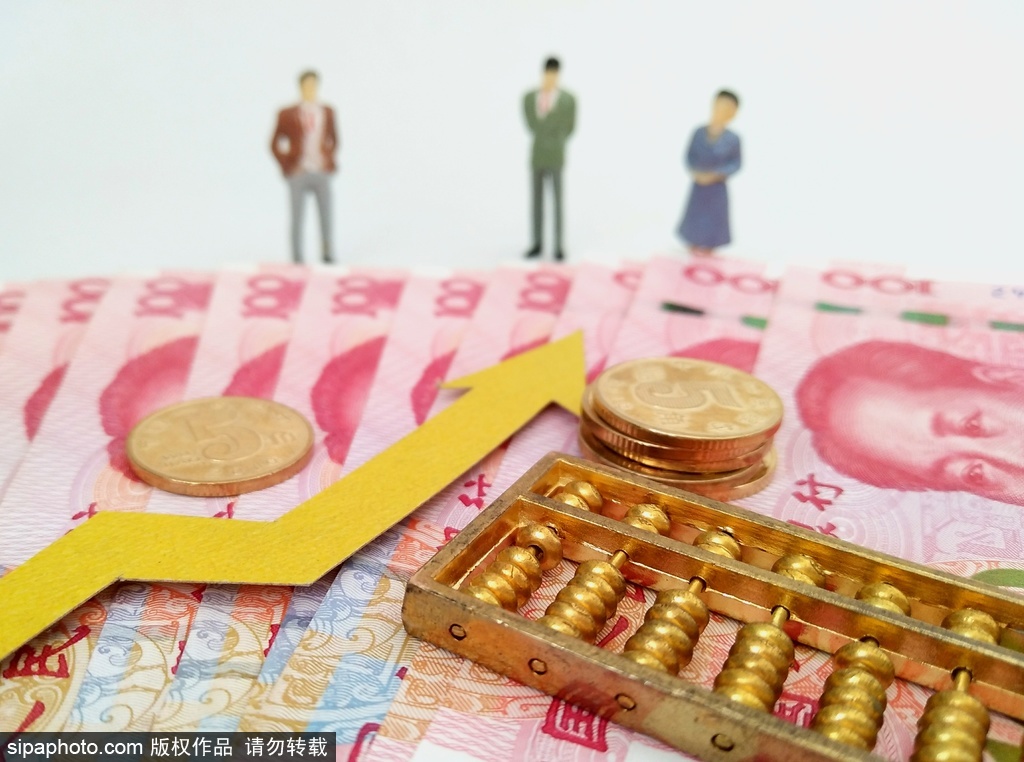
To mitigate the impact of the pandemic on the economy, the Chinese government took less than a month to implement its decision to deliver 2 trillion yuan ($288.8 billion) in fiscal funds to hundreds of prefecture-and county-level governments.
The "superfast" policy implementation has captured the imagination of policymakers worldwide. The policy aims to protect the most-affected people and firms from income losses, unemployment, and bankruptcies.
My eight-day trip to report on this amazing story took me to local government departments, companies and households in three cities-Chongqing, Shenzhen in Guangdong province and Changsha in Hunan. People shared stories about the impact of the health crisis on economic output and public finance.
"It's really an unprecedented test for the fiscal sustainability of governments at all levels," said Wang Yinchuan, an official with the finance bureau in Chongqing.
There's no doubt fiscal tools have taken on a prime role in the national effort to mitigate the adverse effects of the COVID-19 pandemic. The Ministry of Finance has already taken 87 measures since the outbreak. These include acceleration of unemployment insurance disbursement to support households, temporary tax relief, and deferral of tax payments for businesses in affected sectors and regions.
The Chinese government's responses have been swift, and faster than comparable ones in many advanced economies. But the biggest challenge is how to fairly and effectively relocate the fiscal resources to local governments in different regions, depending on their special economic situation, an official told me in Changsha, Hunan province.
For the fiscal stimulus package, policymakers pledged to spend money on people's basic well-being, to only increase, and not cut, the amount, and ensure adequate spending in key areas while resolutely cutting general expenditure.
They reiterate that construction of new government buildings and wasteful and excessive spending will be strictly prohibited.
"When we were making the annual budget, we cut the general operational expenditure by 20 percent this year, to save the money for more urgent usage," said Wang Chunlin, head of the finance department of the Ningxiang local government in Hunan province.
When I visited Sanyang, a town near Changsha, I saw the office building of the township government had been destroyed by heavy rain several days earlier. But the budget is not sufficient to reconstruct the building, so the staff work from three different places now, and will continue to do so until the necessary fiscal funding becomes available to build a new government building.
"It's truly difficult this year, but I believe the government's income will increase after the economy returns to normal, and then we will be able to build a new workplace," said Li Junjie, township head of Sanyang.
But that is not the end of the story. In the coming years, governments at all levels may face difficulties in balancing income and expenditure. A stiffer challenge is how to repay the debt, or how to redeem the bonds through which money was borrowed during the pandemic.
All these troubling questions will be addressed in the years to come. Right now, though, China is trying to find innovative or novel fiscal resources to expand policy space, to provide significant additional support for the economic recovery, and to reorient the economy toward a higher-quality growth path.



















