Stent prices to fall at least 90 percent










Centralized procurement of coronary stents is expected to see prices in China fall by at least 90 percent and save patients billions of yuan a year. But while some have welcomed the move, others have expressed concerns it could affect product safety.
The bulk-buy program, launched at the start of this year, will benefit heart disease patients and promote the high-quality development of the medical device sector, the National Healthcare Security Administration said on Thursday.
It is expected to make coronary stents, once priced at more than 10,000 yuan (about $1,500) each, available to patients in Chinese hospitals for roughly 1,000 yuan for the treatment of coronary heart disease.
It is estimated that the price reduction due to centralized purchasing will save patients some 10.9 billion yuan in related expenses a year.
Stents are the main form of intervention used to keep arteries open in the treatment of coronary heart disease.
The 10 varieties of coronary stents in the program are from eight enterprises in China and abroad that submitted successful bids. It is hoped that the average price hospitals pay for stents will fall from about 13,000 yuan to 700 yuan.
On China's popular WeChat social media platform, about 480,000 people had commented on the topic "coronary stents prices will fall" by Friday. The top-ranked news on the topic received more than 176,000 likes, with many people expressing strong support for the move.
However, some questioned whether the stents would be safe and whether those produced by different winning brands would cause any adverse reactions.
"It is unbelievable that such a shocking price decline can be achieved," said Yang Guangfu, a heart disease patient who has paid nearly 40,000 yuan to have three stents placed in the past 10 years. "Although it's good for patients, I'm worried more about the stents' quality at such amazingly low prices."
A report by China Central Television on Friday cited the National Healthcare Security Administration as confirming that all the winning bids had passed the country's quality tests, and that the quality of the stents could be traced to ensure their safety.
The administration said 80 to 90 percent of the stents from different companies are interchangeable and capable of meeting 80 percent of demand. The other 20 percent differ due to the special size requirements of certain patients.
China has more than 330 million patients with heart diseases, according to a report by the National Center for Cardiovascular Diseases last year.
It said the number of patients receiving percutaneous coronary intervention-which uses stents to open narrowed arteries that supply heart muscle with blood-soared dramatically from 230,000 in 2009 to more than 1 million last year.
The centralized procurement of coronary stents is part of government-led efforts to address inflated prices and other ills in the distribution of pricey medical supplies and a key link in deepening such reform.
Stents from the eight winning bids cover mainstream products now commonly used in health institutions, with quantities accounting for more than 70 percent of the intended purchase volumes of such institutions.
Thanks to the bulk-buy program, the average price for the same products from the same enterprises has decreased by 93 percent compared with last year. The average price reduction for domestically made products is 92 percent, and it is 95 percent for imported products.
More than 2,400 health institutions across China have participated in the centralized procurement, including those who usually purchase more than 500 coronary stents a year.
The first year of centralized procurement will see institutions purchase 1.07 million coronary stents, equivalent to 65 percent of their total purchase volumes last year.
The coronary stents purchased during the first year of the centralized procurement program are expected to be made available to patients from the start of next year.
Xinhua contributed to this story.
- 'Separatist fallacy' of Lai Ching-te 'doomed to fail'
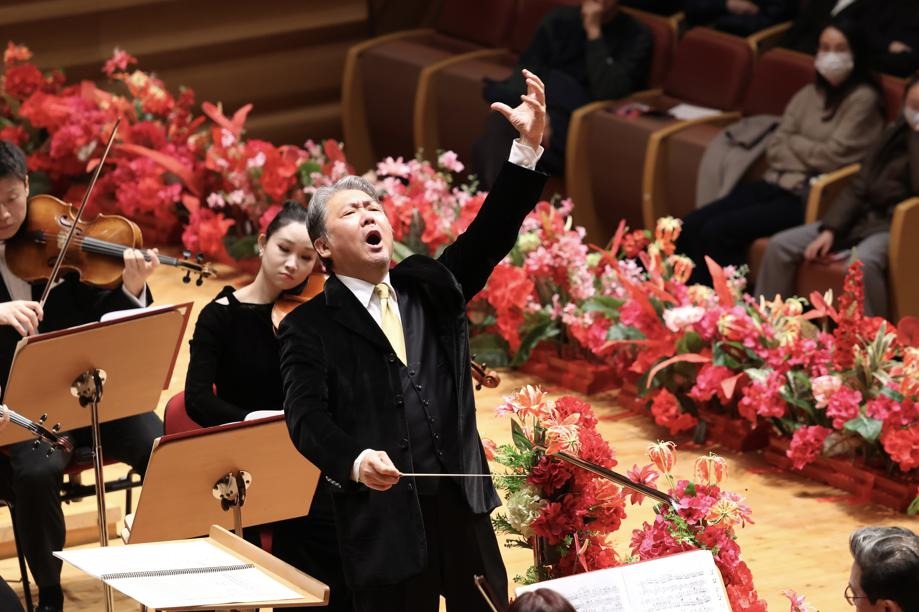
- Shanghai Symphony Orchestra rings in the new year
- New power station opens in Shanghai
- Series on Shanghai revolutionary sites airs
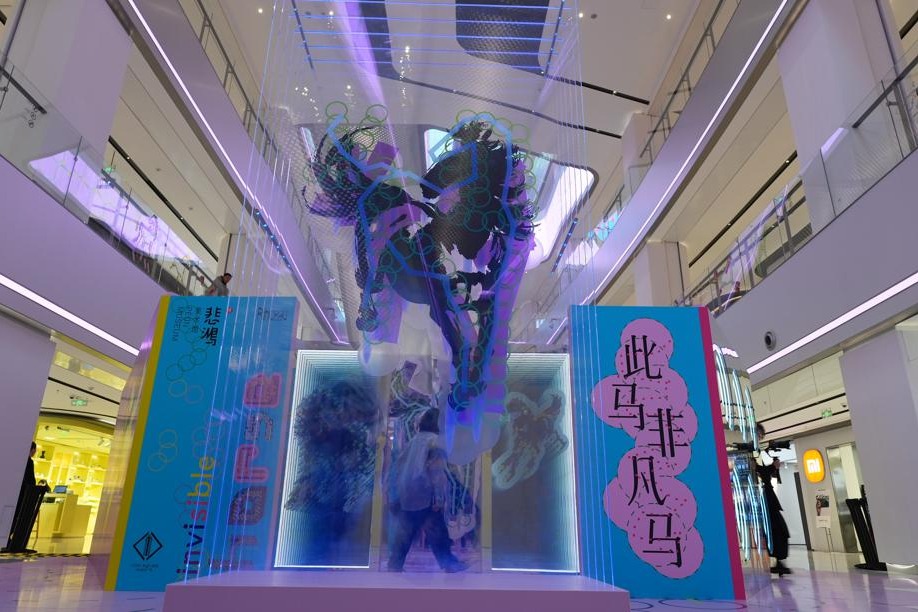
- Xu Beihong's horse-themed art exhibition opens in Shanghai
- China has enhanced social safety net: government minister