China keeps promise to developing countries









At the opening of the 73rd session of the World Health Organization's World Health Assembly in May last year, President Xi Jinping said that once COVID-19 vaccine development and deployment was completed in China, the vaccine would be made available as a global public good to developing countries.
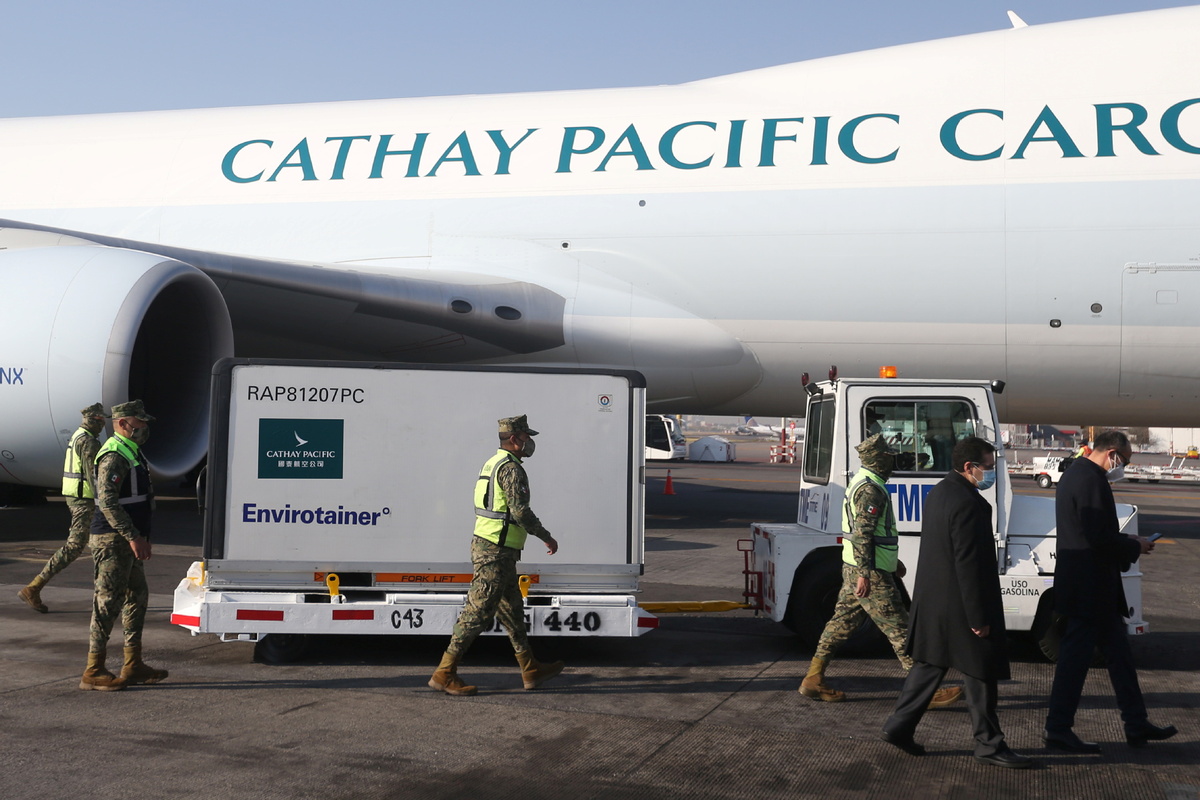
That promise is now becoming a reality, with more than 50 countries in Europe, Asia, Africa and the Americas having received purchases or donations of the essential commodity from Beijing.
Vaccine access is deemed to be the most potent and sustainable way out of the global health crisis, yet it has remained unbalanced globally, with 10 rich economies taking up over 75 percent of the already administered COVID-19 vaccines. On the other hand, 130 countries have yet to receive a single dose of vaccine, according to United Nations Secretary-General Antonio Guterres.
Thanks to its strong epidemic control experience and capacity, China is now sending more vaccines to other countries than is being administered domestically. This is a sharp contrast to countries that have engaged in vaccine nationalism, with some stocking up to four times more than they need. China's move thus responds to the WHO's long-standing call for able countries to support deprived economies in vaccinating front-line workers and vulnerable parts of their populations before embarking on mass vaccination campaigns.
Due to constraints in cost and storage requirements for earlier vaccine candidates from Europe and the United States, African countries watched from the sidelines as other regions went into full vaccination mode. So the recent excitement that accompanied the delivery of 200,000 Sinopharm vaccine doses to Zimbabwe is therefore understandable. Through China's donation, Zimbabwe will inoculate all its front-line health workers, with the remaining doses covering vaccinations of vulnerable groups. Equatorial Guinea and Senegal have also received donated Sinopharm vaccine, while Sierra Leone is set to get vaccine from Beijing this month.
China has also committed to supplying 10 million COVID-19 vaccine doses to meet the needs of developing economies through the WHO-led COVAX, a global initiative aimed at equitable access to the vaccines. This is in addition to the many bilateral deals that various countries are pursuing with regard to acquiring vaccines from Beijing.
While China's promotion of vaccine access has been viewed by some Western countries as a pursuit of global influence, the ultimate impact of vaccine nationalism by the same accusers poses a far greater threat to the world's vulnerable.
Data from the WHO indicates that COVID-19 deaths in Africa increased 40 percent in January this year compared with December last year, with a fatality rate of 2.6 percent, compared with the global average of 2.3 percent. New virus mutations with the ability to spread much faster are fueling a more dangerous second wave across the continent.
Besides the earlier documented advantages of the Chinese vaccine candidates on the basis of storage requirements and cost, Beijing is now home to a single-dose vaccine with 65.7 percent effectiveness in preventing symptomatic cases and 90.1 percent efficacy against severe disease. In addition, the Sinovac Biotech vaccine has been found effective against the variants discovered in the UK and South Africa.
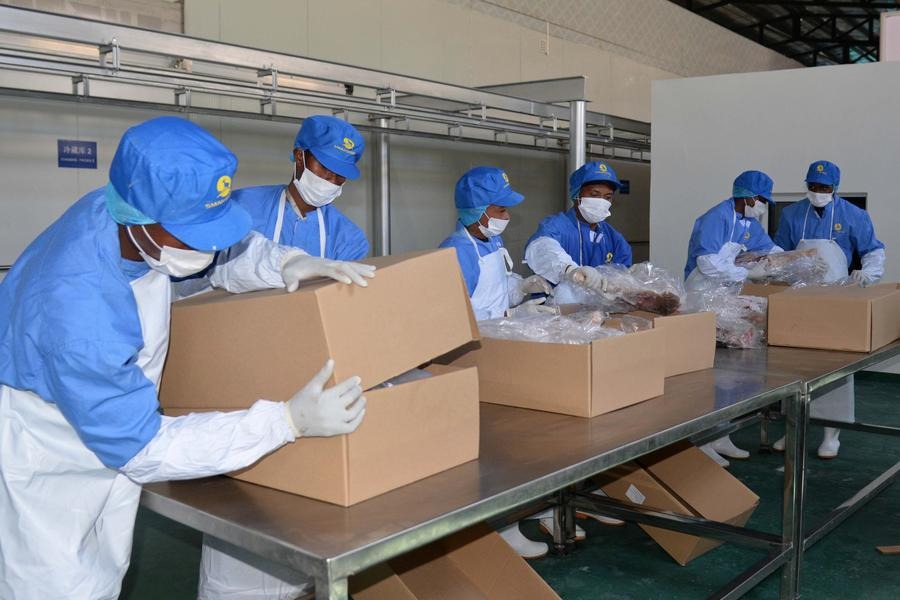
In order to meet the increasing demand for vaccines around the world, China should ramp up production and distribution facilities and processes. The cold-chain air bridge between Shenzhen and Ethiopia, as well as alternate manufacturing hubs in Egypt and Morocco, will significantly aid African access to vaccines from China.
While every government is racing to cushion its population and economy from the disease and its impacts, it is critical that no country or individual is left behind.
The understanding that no part of the world will be safe as long as some pockets of the globe are under the spell of the virus should drive an even greater international response.
The author is a Kenya-based international relations researcher with a focus on China-Africa relations. The views do not necessarily reflect those of China Daily.