Deputy seeks to bolster Hezhe tourism









Editor's Note: China Daily is publishing a series of stories focusing on major issues expected to be discussed at the annual sessions of the National People's Congress and the National Committee of the Chinese People's Political Consultative Conference, known as the two sessions, the biggest annual political event in China, which starts next week. Some stories will also look at how the participants in the two sessions, deputies and political advisers, perform their duties.
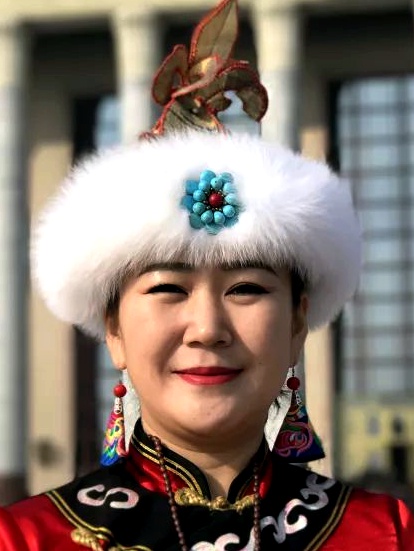
Even during the Spring Festival holiday, Liu Lei kept busy preparing for the upcoming annual session of the National People's Congress.
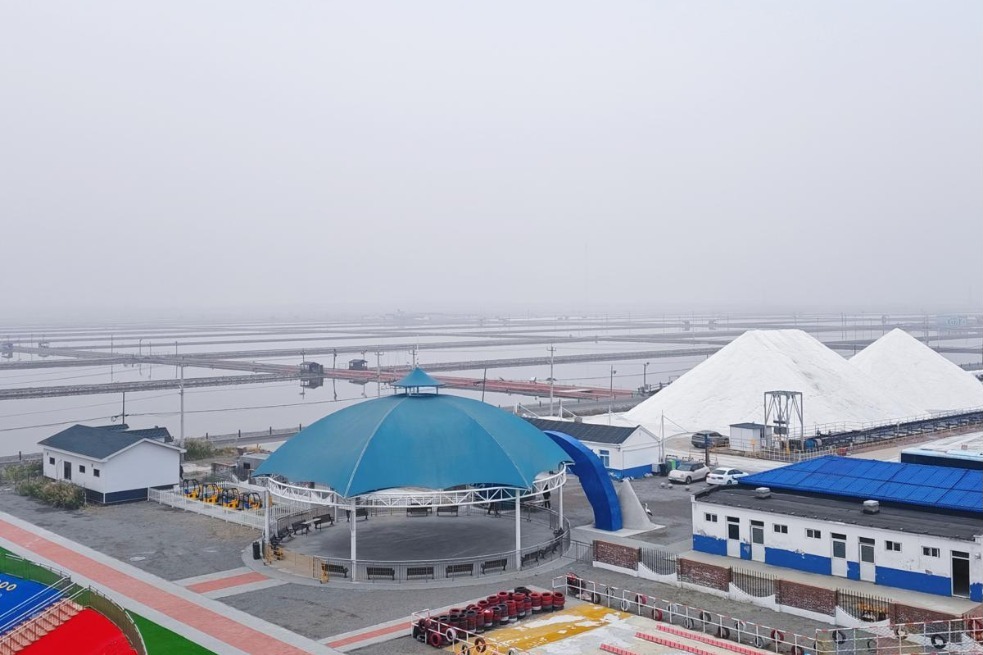
As a Heilongjiang province deputy to the National People's Congress, the country's top legislature, Liu, 37, hopes to propose a border tourism pilot zone in Tongjiang, a county-level city under Jiamusi.
Liu, the only deputy who represents the Hezhe ethnic group she belongs to, is director of the Jiejinkou Hezhe township's center for ethnic development.
"Tongjiang has outstanding characteristics that make up the border's culture, including the magnificent natural scenery and distinctive ethnic minority elements of the Hezhe people," she said. "Furthermore, it is also a cross-border city combining Chinese and Russian cultures."
Her proposal recommends faster customs clearance and more convenient services for travelers, whether they arrive in their own vehicles or travel in groups.
She said she also would expect to see policies on tourism investment and financing, land and human resources implemented or improved.
"In recent years, we have been more engaged in developing tourism and promoting our traditional culture among more people," she said. "Tourism has brought a better life to local residents and has become an effective way to revive traditional ethnic culture."
The Hezhe people are one of the smallest ethnic groups in China, numbering just 5,354, according to China's 2010 national population census.
They mainly live in the counties of Tongjiang, Fuyuan and Raohe, which are by the Songhua, Heilong and Wusuli rivers in Heilongjiang, where they have long depended on fishing for survival.
"The Hezhe language has no written form, and most speakers of the language are elderly. They expressed their great worry that the language was in danger of disappearing due to modernization," she said. "Most young people do not speak the language anymore."
At previous two sessions, Liu has offered several suggestions on protecting the Hezhe culture and finding ways to pass it down.
When President Xi Jinping joined Heilongjiang deputies' panel discussions in 2016, Liu gave a report on Hezhe cultural inheritance.
"I was surprised by how well the president knew our culture. He mentioned a song of our ethnic group to me," she said. "I was so inspired, especially when he encouraged us to do a good job passing down the culture of which the Hezhe people are proud."
Liu and several Hezhe elders worked to get more classes to teach the group's language and encourage online platforms like WeChat, Tencent's iconic messaging app, to introduce it to young people.
She suggested that the Hezhe Folk Exhibition Hall hold a fish-skin artwork course every month and helped establish two cooperatives focusing on fish-skin artwork, which she said can generate income of up to 300,000 yuan ($46,500) for those who participate.
She also promoted the development of rural tourist attractions, including unique Hezhe folk dances.
Highly responsible
Liu was elected to the national legislature in 2008, when she was only 24 years old. "I was afraid I wouldn't do well and felt more responsibility than glory."
To prepare for her duties of proposing good suggestions on behalf of the ethnic group, every year she visited the border areas, towns and villages where the Hezhe people live in order to research the current issues in their economic, social and cultural development as well as make note of the problems they had.
"Field investigation is the only way to get firsthand information," she said. "In chatting with them, I learned about the expectations of the Hezhe people."
Over the years, she has submitted more than 90 proposals to the annual session of the National People's Congress.
Topics have included development of the economy, culture and education of the Hezhe people, Sino-Russian cooperation in Tongjiang and policies to improve the care of left-behind children in rural areas and the disabled.




- Senior Xi'an official facing probe by China's anti-corruption watchdogs
- Philippines risks creating trouble for itself: China's defense ministry
- Newborn with congenital heart disease receives life-saving surgery in Yunnan
- Hong Kong charity signs diplomatic talent deal with Beijing university
- Aircraft carrier Fujian, commissioned
- Erdos offers 10,000 yuan subsidy for families having third child