Impact of innovations by China continues to spread









During the two sessions in Beijing, the annual gathering of China's top legislative and political advisory bodies, which concluded on Thursday, the government announced that its GDP growth target for this year is "above 6 percent".
In January, the International Monetary Fund had predicted that China's GDP would grow at 8.1 percent this year, accounting for more than 25 percent of global GDP growth.
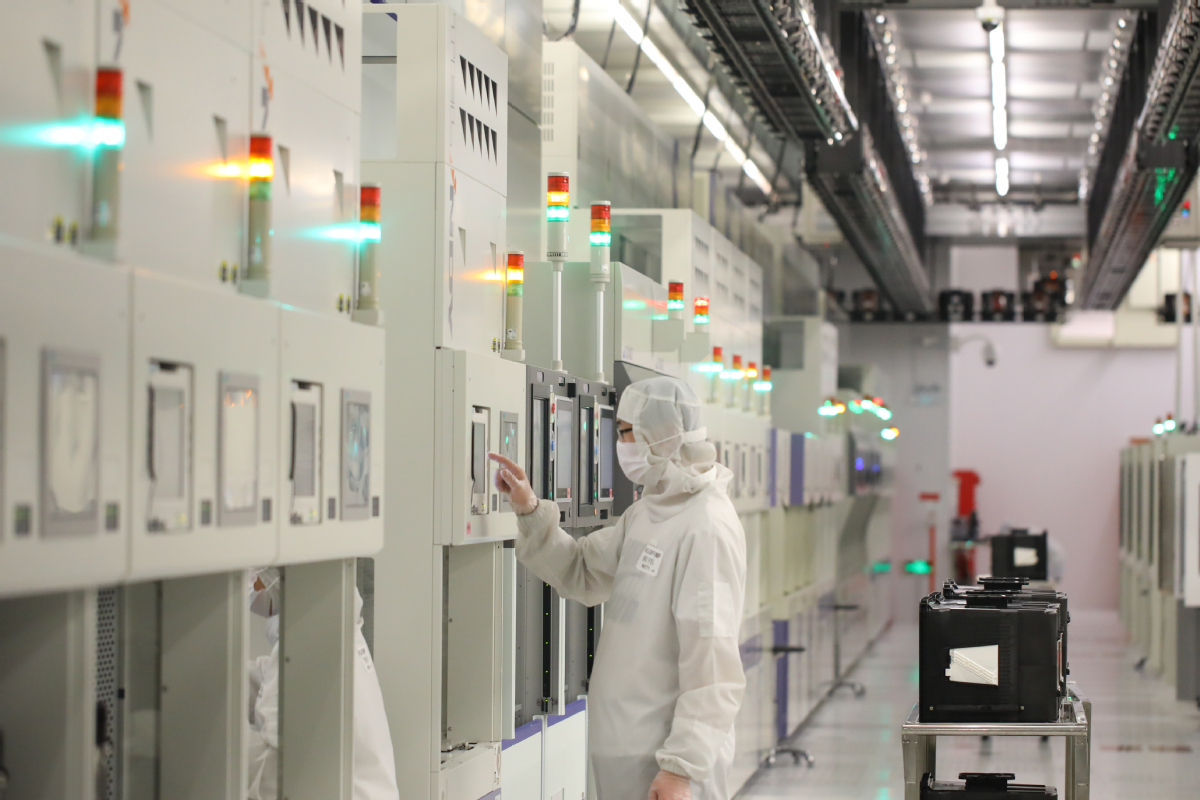
Prompted by the United States government's sanctions on core technologies such as high-end semiconductor chips, Beijing has committed to building up core technologies within China.
Last year, 227.6 billion yuan ($35.02 billion) was pumped into China's semiconductor industry, a stunning 407 percent increase from the previous year. Central and local governments have launched hundreds of policies or guidance funds to support the industry's growth, while venture capital investment into the sector more than tripled from 2019.
The auto industry is another example of an industry undergoing major innovations as new energy vehicles, artificial intelligence, connectivity and mobility as a service are all taking place at the same time. Various trials of autonomous driving are also taking place in cities in China.
In the consumer sector, the internet continues to drive different forms of innovation. Social commerce, for instance, has become an important channel for companies to meet rising consumer demand and adopt new business models enabled by innovative technology, such as 5G and AI, to offer more customized and interactive services.
China has announced a comprehensive plan to upgrade its manufacturing capabilities by 2025 via eight priority areas in order to sharpen its global competitiveness. The emphasis on advanced manufacturing remains an integral part of China's 14th Five-Year Plan (2021-25) and is aimed at fixing its weaknesses in areas such as key components, materials, software and fundamental systems over the next five years, while developing a more innovative, higher value-added industrial value chain to enhance its competitiveness in priority areas.
In September, President Xi Jinping announced that China will commit to achieving carbon neutrality by 2060. This is a massive commitment, given China's scale and historical reliance on fossil fuels. As Xi has called on all other countries to support global sustainability, China is also demonstrating that it is stepping up in addressing an issue that has long been a major challenge for the world.
While China eradicated domestic absolute poverty earlier this year, a herculean effort in its own right, it announced the establishment of the Rural Revitalization Bureau to consolidate and expand the nation's achievements in poverty alleviation via leveraging a dynamic monitoring and assistance mechanism to prevent people from falling back into poverty. In addition, it will continue to improve infrastructure in resettlement areas and improve people's capability to provide for themselves.
These major steps, plus many others, indicate that China will continue its reform and transition, which will in turn generate considerable economic growth.
Certainly, when most of the rest of the world is still suffering from the COVID-19 pandemic, China is shining as one of the few bright spots for many foreign multinational corporations.
Even though Chinese innovators have begun to show up in significant numbers since the wireless internet became prevalent in China in the late 2000s, most multinationals were still unconvinced until Chinese innovation became a household phenomenon.
Fortunately, most multinationals today have come to realize the overwhelming impact of Chinese innovation, and many of them have begun to internalize how and what they can learn from the Chinese in this regard.
The head for China of a large US industrial company once told me that he thought he came to China to teach, but after some time in China, he recognized he was in China to learn. Another large US client told me their board of directors instructed the China team to seek how to leverage Chinese knowledge to help businesses in other parts of the world. BMW, for example, has taken its Munich-based Startup Garage program to China in order to gain exposure to new innovative technologies, such as electrification and automation, from a more advanced local ecosystem.
Big multinational businesses are now realizing that running businesses in different parts of the world requires different patterns, in particular realizing the differences between China and the West. It's not a matter of what is right and what is wrong, but simply that different markets have very different contexts.
The insistence on a single path to the final goal is not very helpful. Pluralism naturally exists. To this end, the significant changes in multinational corporations due to their experiences in China provide the world with a good reference for how to view the world today.
The author is founder and CEO of Gao Feng Advisory Co, a global strategy and management consulting firm with roots in China. The views do not necessarily reflect those of China Daily.


- Exhibition commemorating the epic relocation of universities opens in Fujian
- Twelve punished for scaffold collapse that killed 7 in Shandong
- Slovenian official visits whole-process people's democracy practice site of CPPCC committees
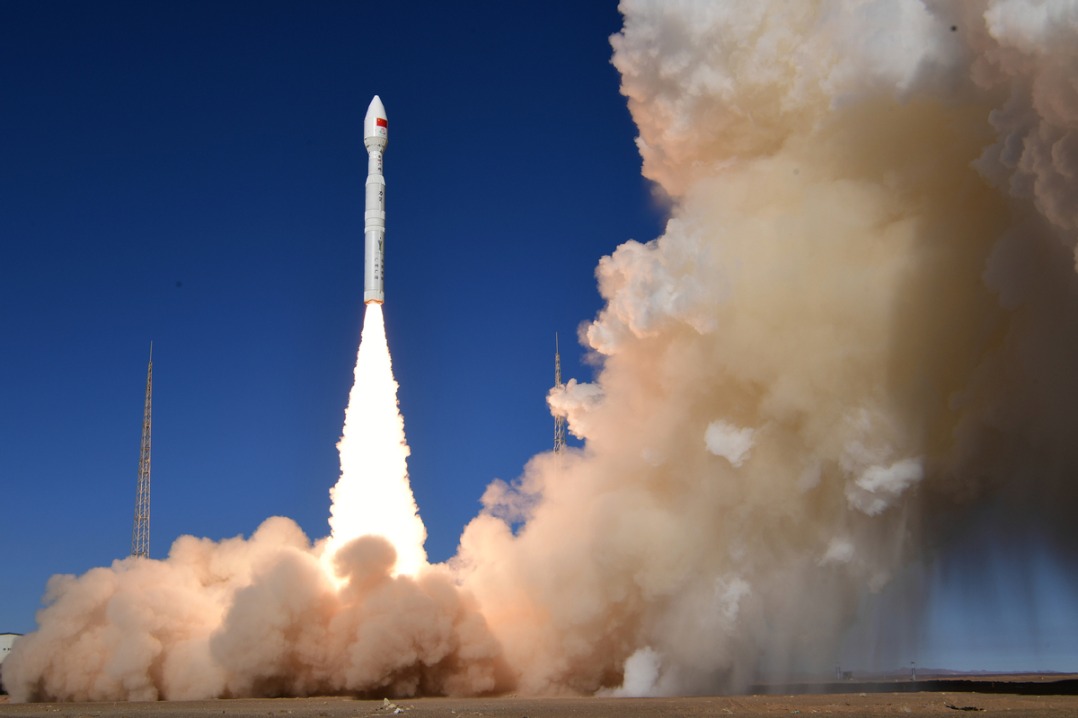
- China's commercial rocket maker puts two satellites into orbit
- People in Taiwan commemorate victims of White Terror period
- China successfully launches new test satellites