Treaty ticks all the right boxes









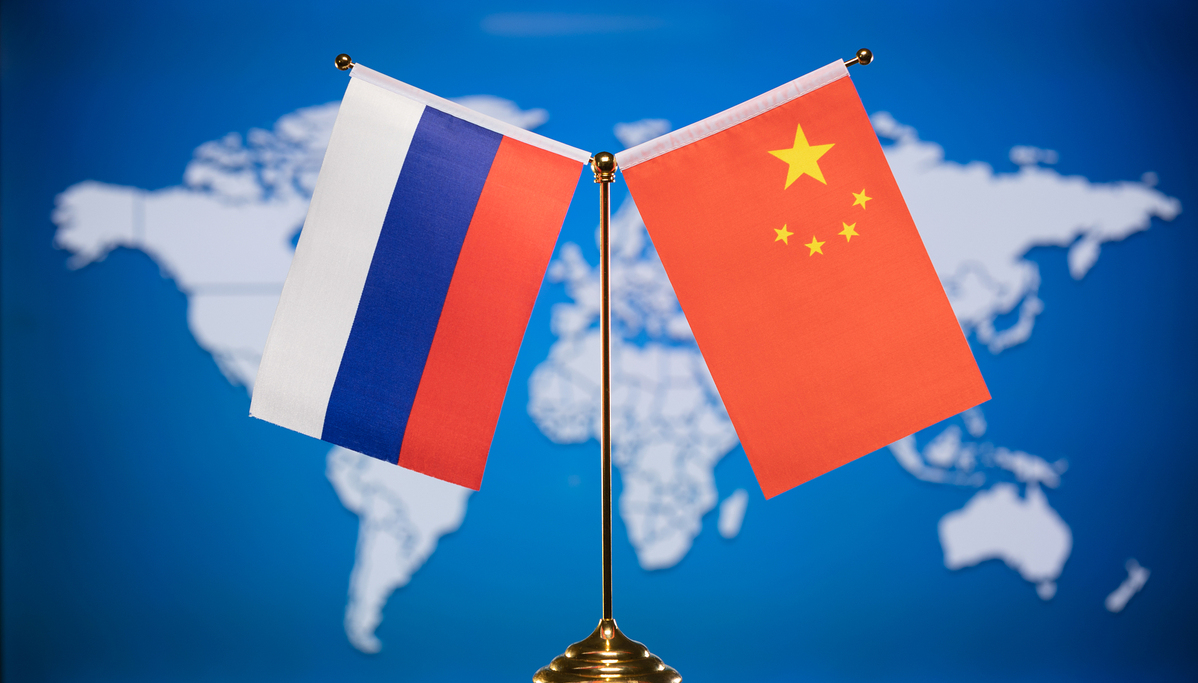
Contemporary relevance of the pact between the two countries is borne out on almost every count
Twenty years have passed since the signing of the China-Russia Treaty of Good-Neighborliness and Friendly Cooperation and there are good reasons to take stock of the implementation of its basic provisions and to examine its relevance today for Russia-China relations and the rest of the world.
First, the treaty states that Russia and China are committed to the principles of mutual respect for sovereignty and territorial integrity, non-interference in each other's internal affairs, and respect for the political, economic, social and cultural development paths chosen by both sides in accordance with their national conditions.
These principles, as enshrined in the treaty, are particularly relevant today. In the current context of global geopolitical competition, some leading Western countries are grossly undermining the universally recognized norms of international law, interfering unscrupulously in the internal affairs of sovereign states, and imposing on them foreign models of social and political development. Against this backdrop, Russia and China, as responsible members of the international community, are showing the world how they respect the basic principles of developing international cooperation in a way that makes many multilateral groups and organizations, such as the Shanghai Cooperation Organization or the BRICS group, willing to draw on their experience in building bilateral relations.
Second, Russia and China have committed themselves to refraining from the use or threat of the use of force, as well as from resorting to economic and other means of pressure. They have also agreed not to be the first to use nuclear weapons and not to target strategic nuclear missiles at each other. This position is not only in the long-term interests of both countries but is also an important factor in maintaining international stability. It is no exaggeration to say that the demilitarization of the Russia-China border is the most impressive achievement in the field of disarmament in the past several decades.
Third, to enhance mutual trust, Russia and China have agreed to expand and deepen their military cooperation to strengthen their own security and maintain regional and international stability. They have declared that they will not join any alliances or blocs, nor will they take any other action-including signing a treaty with any third country-that could undermine each other's sovereignty, security, and territorial integrity.
Fourth, Russia and China, as two permanent members of the United Nations Security Council, share the primary responsibility for the maintenance of international peace and security. The history of the 21st century has evidenced the importance of this provision of the treaty, especially in the context of the global and regional disruption of the international security system.
Fifth, the treaty allows for joint action by Russia and China to establish a new, just and rational international order, and to strengthen the central role of the United Nations in international affairs. The effectiveness of the UN system in world governance depends to a large extent on the support it receives from its partner institutions at the regional level. At present, the SCO is an example of such a regional partner, which has demonstrated in practice the possibilities and advantages of cooperation in maintaining peace and establishing an equitable and just international political and economic order. The example of the SCO shows that it is easier for Russia and China to defend their interests when they join hands as it enables policy flexibility and responsiveness.
Last, the most important component of bilateral relations is economic and trade ties. As stated in the treaty, these economic and trade ties have evolved on a mutually beneficial basis. Over the 20 years since the treaty was signed, trade between Russia and China has grown to more than five times the volume to over $100 billion, and China has remained Russia's largest trade partner over the past 10 years.
The author is president of the Russian International Affairs Council. The author contributed this article to China Watch, a think tank powered by China Daily. The views do not necessarily reflect those of China Daily.