Digital transformation to drive rapid growth









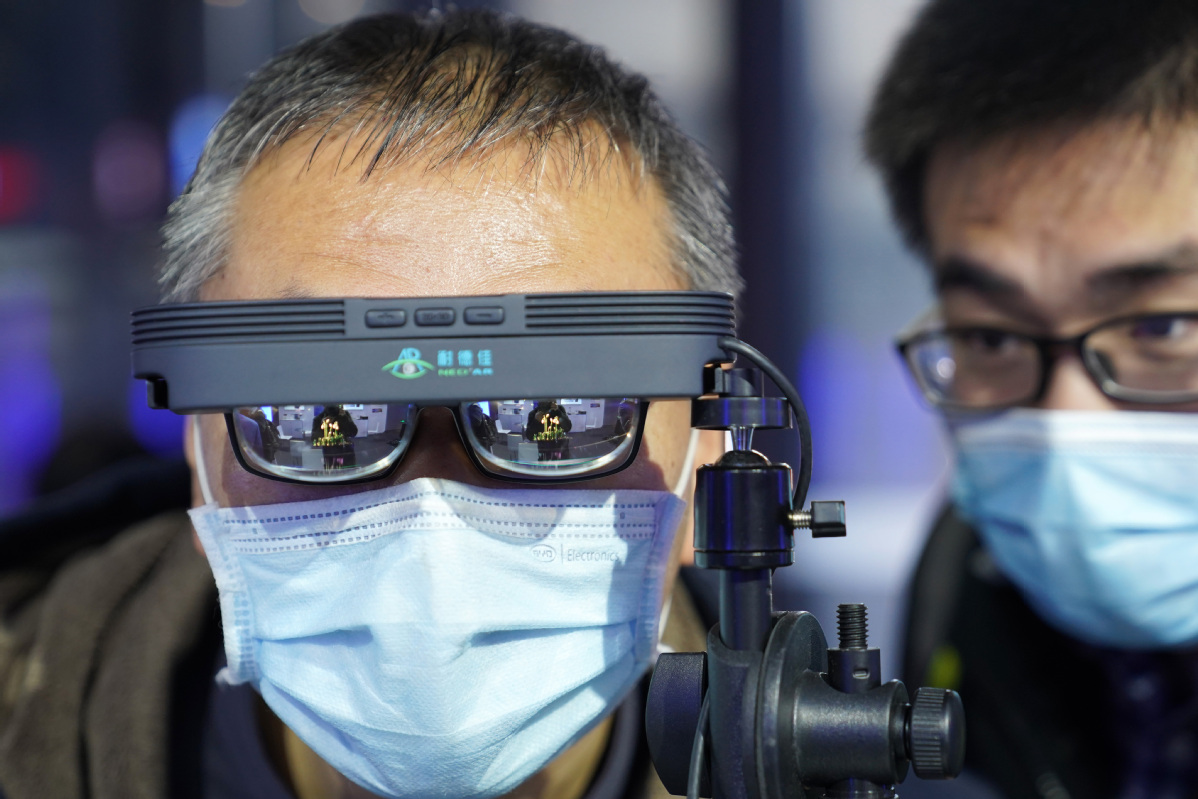
A multispeed economic recovery is underway, reflecting the significant variations among countries in containing the coronavirus and acquiring and administering vaccines. But notwithstanding these differences in timing, there will soon be a cascading sequence of rapid recoveries around the world.
Sectors that had to shut down because they could not function without unsafe human-to-human proximity will now (or soon) reopen. Businesses that survived the pandemic closures (many with support from fiscal programs) will experience rapid expansion, powered by pent-up demand. Growth rates will surge for a limited period of time before subsiding toward normal levels. We will likely enter the post-recovery world sometime in 2022 (though it will come sooner for some than others).
For investors, policymakers, businesses and households alike, a major question is whether and to what extent we will return to pre-pandemic growth patterns. Will there be a shift to some markedly different set of dynamics?
While there will be many areas of uncertainty in the post-recovery economy, some industries seem poised for a period of extraordinarily rapid growth. Specifically, in sectors with a combination of technological possibilities, available capital and high demand for creative new solutions, conditions will be highly favorable for investment and new company formation.
Among the broad sectors with the greatest growth potential, three leading candidates are the application of digital technologies across the entire economy, biomedical science (and its applications in healthcare and beyond), and technologies that address the various challenges to sustainability, especially those associated with climate change. Elevated growth in this context means not just sector growth, but high levels of entrepreneurial activity and innovation, a plethora of new, fast-growing companies, and large inflows of capital carrying higher expected rates of return.
These areas are distinct but overlapping, because they are defined more by science and technology than by outputs. All three are viewed as key sources of resilience, for businesses and for society as a whole, and that perception has been reinforced by the pandemic and growing awareness of the effects of climate change. Between this changing outlook and the forced adoption of digital technologies during the pandemic, there is now a heightened awareness of both the opportunity and the necessity for digitalization, which is reflected in high and rising demand for technological solutions.
In all three areas, many years of research and innovation have yielded powerful scientific tools and technologies that are becoming broadly available for entrepreneurs and investors who aim to tackle specific problems. At the same time, the techno-entrepreneurial ecosystems that were once concentrated in just a few places have expanded globally, resulting in an interconnected web of investors and entrepreneurs sharing insights, transferring technology and adapting to local conditions.
The startup "unicorns"-those with a value of over $1 billion-once associated with Silicon Valley and a few other high-tech hubs can now be found in growing numbers across a wide range of developed and middle-income countries, and in surprising sectors like education. In short, the systems that unleash entrepreneurial talent are increasingly taking root around the world.
This is partly because governments have recognized the opportunities in these sectors and duly stepped up their game. The fiscal programs coming out of the pandemic have been far more aggressive than in the past. Commitments to invest in infrastructure (including digital), science and technology are expanding, not just in the United States and China, but also in Europe, across the digital, biomedical and green-tech sectors.
Moreover, policymakers seem to understand that deficient demand has negative effects not only on employment but also on the incentives for adopting new technologies. Most governments thus are eager to ensure that their economies are running at high intensity without demand-side headwinds holding back growth and employment.
Given these factors, there is a reasonable chance that the 15-year negative trend in aggregate productivity growth-and hence overall real growth-will be reversed. Powerful new general-purpose technologies are coming online, and the pandemic has increased adoption and learning in previously lagging sectors. This is crucial, because productivity growth at the aggregate level requires not just widespread availability of the necessary technologies, but also their broad diffusion.
As a recent study by the McKinsey Global Institute sets forth, the digital transformation may be broad enough that it will help to raise overall productivity growth substantially.
Michael Spence, a Nobel laureate in economics, is an emeritus professor at Stanford University and a senior fellow at the Hoover Institution.