


From demons to delights










Much of this diversity is due to its history as a Silk Road oasis.
It served as a trade center and a stopover for caravans, engendering an inn tradition for not only travelers but also their horses and camels that has evolved into a flourishing homestay industry for visitors from around the world today.
Most residents live on the second or third stories of their homes and operate shops at street level.
Again, largely for historical reasons, neighborhoods are known for particular products, and many families will proudly tell you they've worked in the same respective trades for generations.
Kantuman bazaar, or the ironwork market, for instance, hosts blacksmiths' workshops and retail shops producing traditional folk arts and practical goods, ranging from traditional-style doorknobs bought by tourists to horseshoes sold to herders from the surrounding area. People can also request customized works.
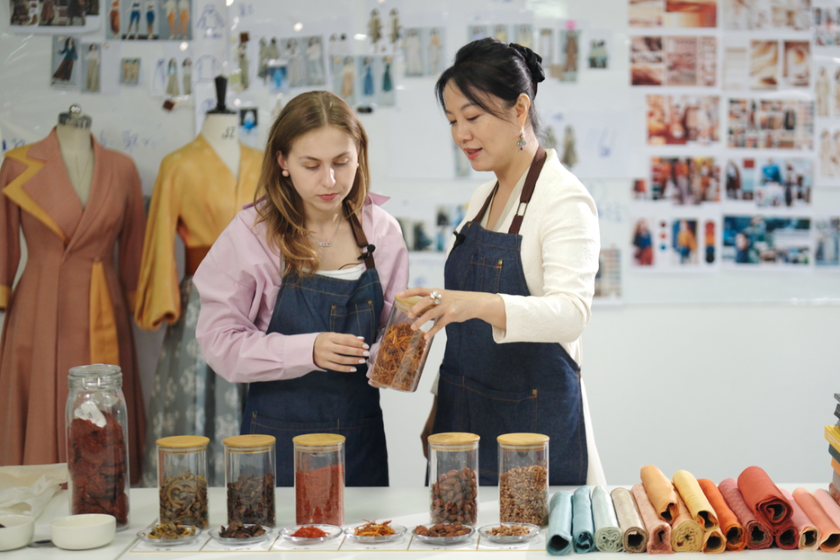
Another street mostly hosts pharmacies selling traditional ethnic Uygur, Han, Kazak, Tibetan and Hui medicine.
Traditional Uygur medicine, which is largely informed by Persian and Indian influences since Xinjiang was a crossroads of ancient international trade, especially during the Silk Road era, contains over 1,000 ingredients based on plants, animals and minerals.
Locals attribute this pharmacology to the fact the area hosts a disproportionate number of centenarians. And many people from Central Asia visit the neighborhood for various treatments.
A nearby cafe even infuses Uygur herbs into its coffee.
The ancient city also hosts a century-old hat bazaar, where people can buy the distinctive Uygur sheepskin or cloth "flower" hats.
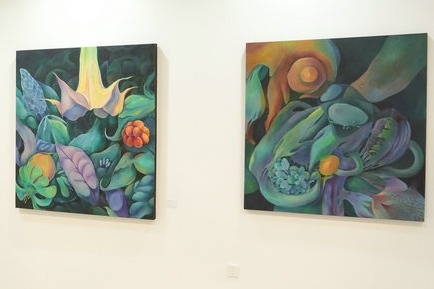
A more recent addition is an oil-painting street, which hosts about 40 studios operated by local masters of the Western genre. The most popular motif is the ancient city in which the works are produced.
On streets and in workshops, travelers can watch locals framing, frying and forging their wares.
Woodworkers burn intricate designs into walnut-wood goods. Potters throw clay on special wheels that enable them to lower their legs beneath the floor. And painters perch behind easels as they slather canvases with globs of color.
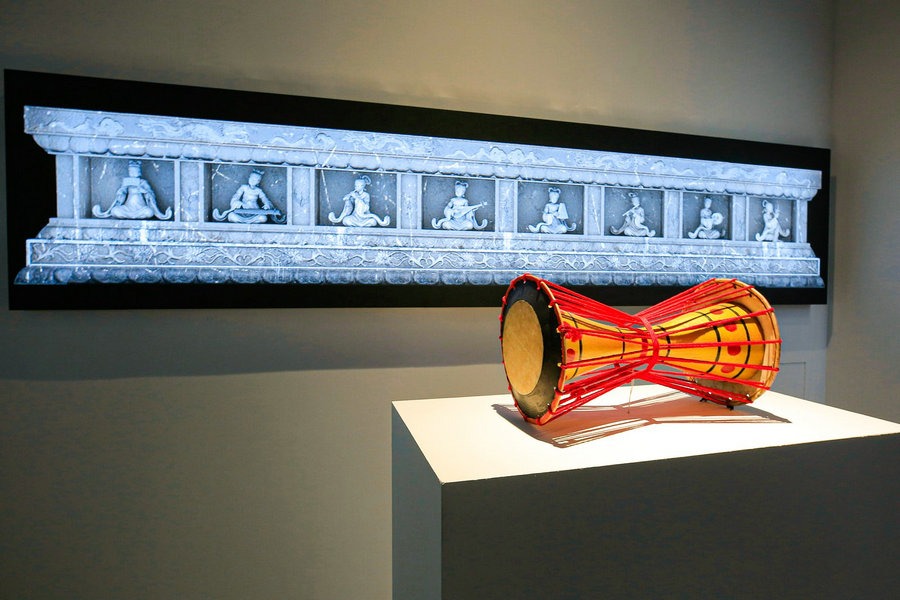
Visitors can buy local lutes, bundles of chicken feathers used to stab decorative patterns into naan bread and take a chance by purchasing stones that mayor may not-contain jade.
Indeed, travelers who make it to Kashgar will discover why it has so many nicknames-and exactly how it lives up to all of them.