New phrase to exchange greetings gets a warm welcome









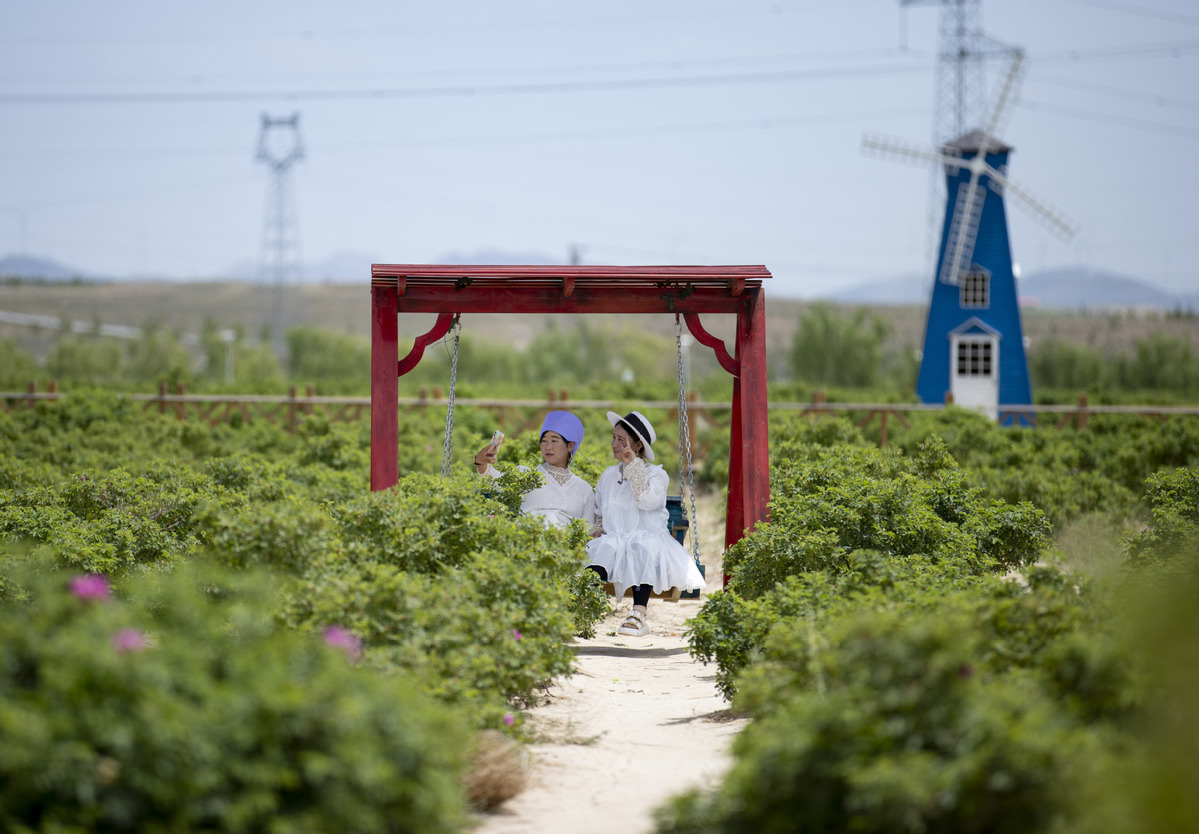
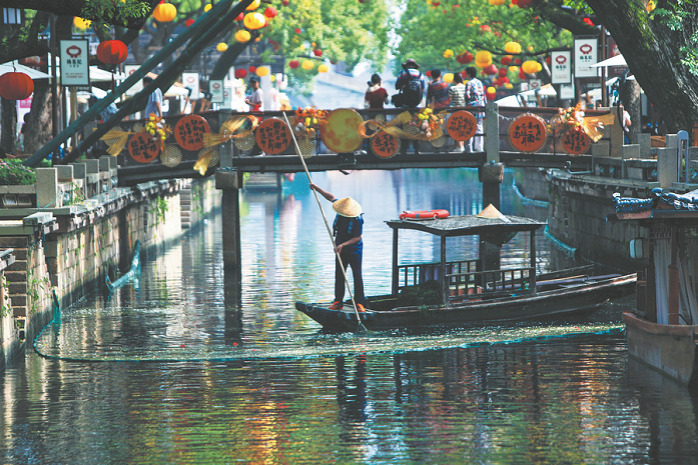
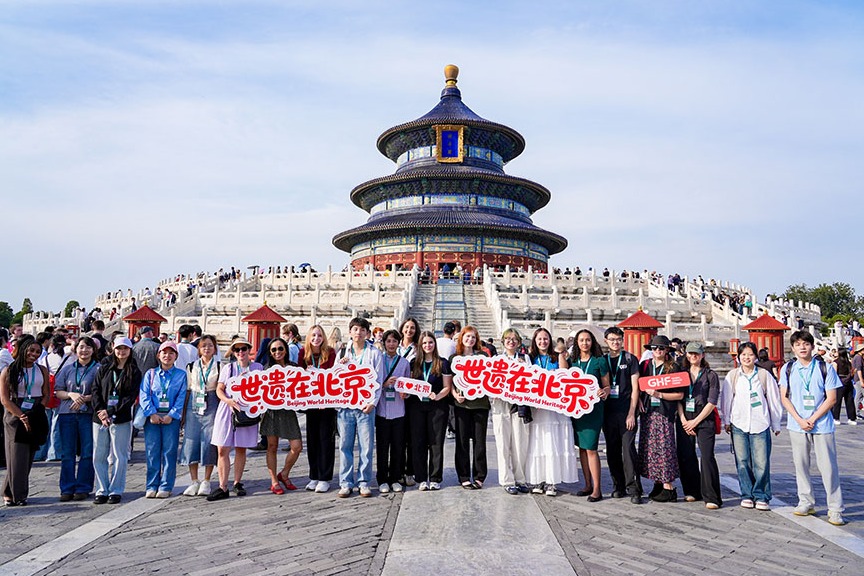
As well as saying chi le me?, (have you eaten?), a form of greeting that has prevailed for generations, more Chinese now tend to start a conversation by inquiring about travel.
"Bothered by the pandemic, people would naturally congratulate each other for a nice trip or look forward to one, asking questions like: Have you been vaccinated? Where have you gone on the weekends? Do they need a nucleic acid report?" says Xie Rui, a white-collar worker in Shanghai.
Though it is still a month away from China's weeklong National Day holiday, often regarded as the "Golden Week" for the tourism and consumption boom it encourages, the daily topics of Xie and his friends have been all about travel.
"I have a border collie. What I'm concerned about most is which hotels, restaurants and resorts allow pets," says the 28-year-old.
"The change in forms of greetings is inseparable from social development and reflects social changes," says Zhu Ye, deputy dean of the Research Center for Language Planning and Policy Studies under State Language Commission of China.
Eating has long been given priority by most Chinese people, making chi le me? appear often in daily conversations, says Zhu, adding that as the country has won the battle against poverty through persistent effort, people would consequently pursue higher material and cultural aspirations.
"Tourism has become a new trend for Chinese people to enhance their quality of life," he says. "The change in greeting styles signifies China's national development and the continuous improvement of the lives of the Chinese people."
Data from the National Bureau of Statistics show that China's Engel's coefficient, which measures food expenditure as a proportion of total household spending, dropped to 28.2 percent in 2019, down 14 percentage points from 2000. The measurement for urban people stood at 27.6 percent, down 11 percentage points from 2000, while the figure for rural residents was 30 percent, a decline of 18.3 percentage points.
While the COVID-19 pandemic has significantly curtailed the pace of travel in China and slowed outbound tourism, the effective pandemic prevention measures across the country have brought domestic travel and short trips into the spotlight.
According to a report from the China Tourism Academy, Chinese people made 2.36 billion domestic trips in the first half of 2021, up 153 percent from the same period in 2020. Domestic tourism revenue stood at 1.95 trillion yuan ($302 billion) during this period, up by 208 percent year-on-year.
Tang Xiaoyun, CTA's vice-president, says about 60 percent of the interviewed respondents believe the pandemic prevention efforts and the health barrier formed by vaccination will stimulate the demand for tourism and leisure consumption in the second half of 2021.
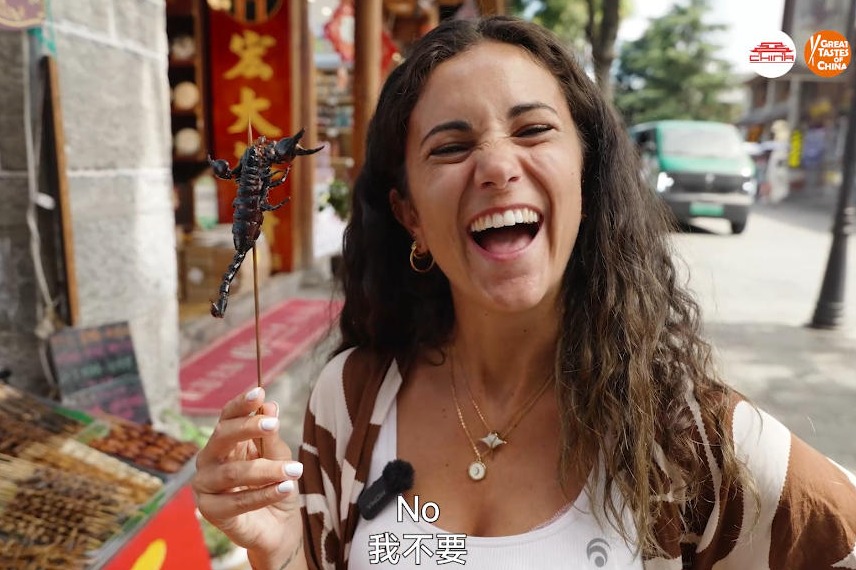
Nowadays, Chinese people still take their diets seriously-though the focus has changed from "being full" to "eating well".
Even hit by the pandemic, the coffee industry in Shanghai still thrives, with the number of cafes in the metropolis reaching about 7,000, with each person consuming around 20 cups of coffee every year, says data from the first Shanghai Coffee Culture Week that was held in March.
"We still like to take the perfect snaps at internet-famous cafes, bistros, bars and restaurants in Shanghai. After all, food, beauty and friends are equally important," Xie says.