China 'is a leader in 4th industrial revolution'









Private Chinese businesses are seeing improved performance, due to growing market vitality and the business environment amid the country's antitrust efforts, but some are also facing pressure like rising raw material costs, officials and company executives said on Sunday.
Their comments were made as the All-China Federation of Industry and Commerce, a national body that serves the private sector, released an annual report on the top 500 Chinese private enterprises on Saturday.
The top 500 private companies booked total revenue of 35.12 trillion yuan ($5.43 trillion) last year, which represents 16.39 percent year-on-year growth, according to the report. Their net profits reached 1.97 trillion yuan and total assets reached 50.73 trillion yuan, respectively increasing by 41.4 percent and 37.25 percent.
The entry threshold for the top 500 private enterprises reached 23.5 billion yuan for this year's ranking, 3.3 billion yuan more than last year. Ninety-eight of the top 500 have total assets exceeding 100 billion yuan, and 18 firms were added to the list this year.
Huawei Technologies Co has topped the list for six consecutive years, followed this year by JD, textile giant Hengli Group, electronic information firm Amer International Group and Alibaba Group. The top five enterprises all had revenue exceeding 600 billion yuan last year.
Liang Wen'gen, chairman of machinery leader Sany Group, No 53 on the list, said: "We private enterprises get the greatest confidence from the country's strengthening support for private firms, especially as China's top leaders have encouraged us to boldly go forth in our businesses, reassuring us that private firms will have a bigger stage."
Wang Tian, chairman of retail and real estate company Better Life Group, said: "China recently beefed up its antitrust efforts and regulations on all kinds of unfair competition. Such efforts give law-abiding enterprises broad development space and meanwhile drive the efficiency of private companies and the market economy."
For decades, the private sector has been an indispensable force behind the country's economic development. According to the Ministry of Industry and Information Technology, private enterprises contribute on average around 50 percent of tax revenue, 60 percent of GDP, 70 percent of technological innovation and 80 percent of urban employment.
The All-China Federation of Industry and Commerce report also noted that about 90 percent of the top 500 private enterprises have undergone digital transformation. Their valid patents increased by 3.64 percent year-on-year, and their valid domestic trademark registrations soared by 36.06 percent year-on-year.
The key technologies of 394 private companies mainly come from independent research and development. There are 229 companies among the top 500 whose R&D personnel account for more than 3 percent of their employees, and the proportion exceeds 10 percent in 120 companies.
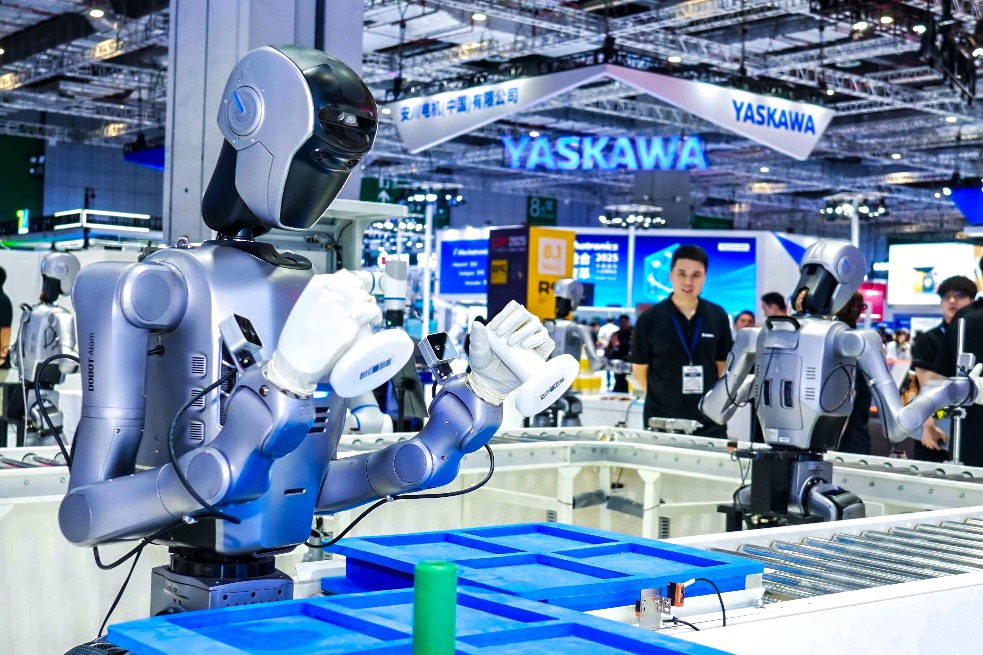
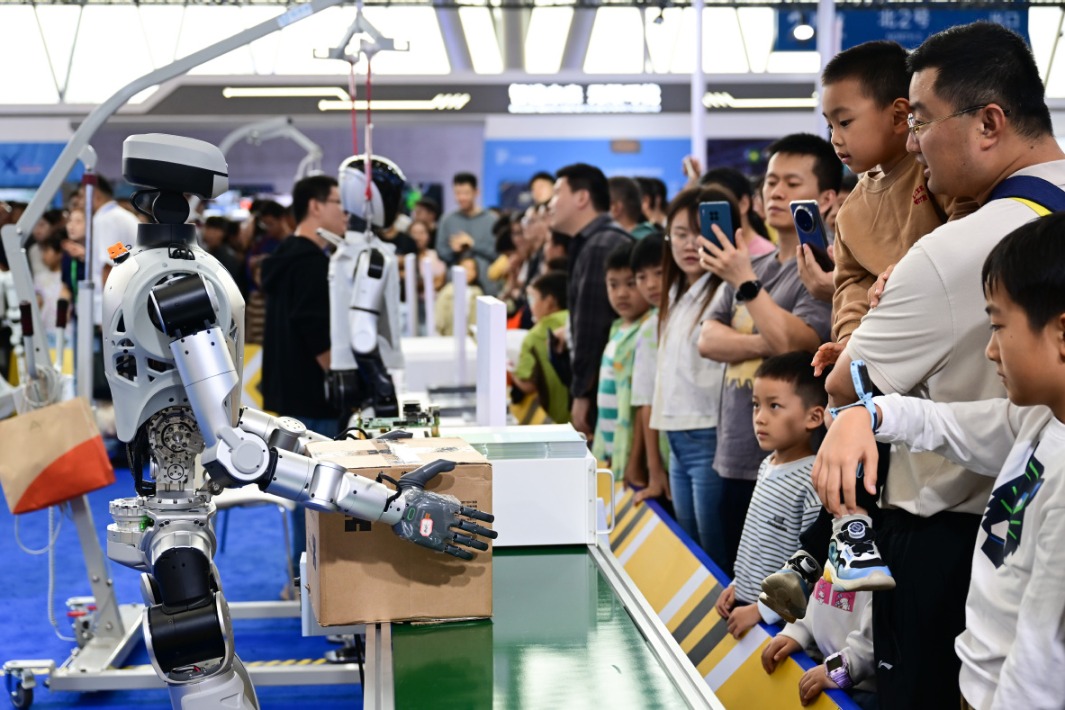
"In addition to the broad market and improvement in the business environment, China has become a leader, rather than a follower, in the fourth industrial revolution, which is mainly based on the digital economy. A large number of Chinese companies pay more attention to leveraging technologies in 5G, artificial intelligence, big data as well as new energy and batteries for an edge globally," Liang from Sany said.
However, Huang Rong, vice-chairman of the federation, said that more than 50 percent of the top 500 private firms have said that the COVID-19 pandemic has had a great impact on their businesses. In addition, 43.8 percent said they might be affected by the unstable global industry and supply chain, he said.
"The impact of rising raw material costs has also become more prominent. Among the cost factors affecting the development of the top 500 private enterprises, the cost of raw materials rose from third place to first place last year. More than 300 enterprises were affected by this most, and that's 32 more than in the previous year," he said.
But the country has taken a series of measures to help private companies tackle these problems to drive their long-term high-quality development, he added.