



How trade amid pandemic is straining supply chains









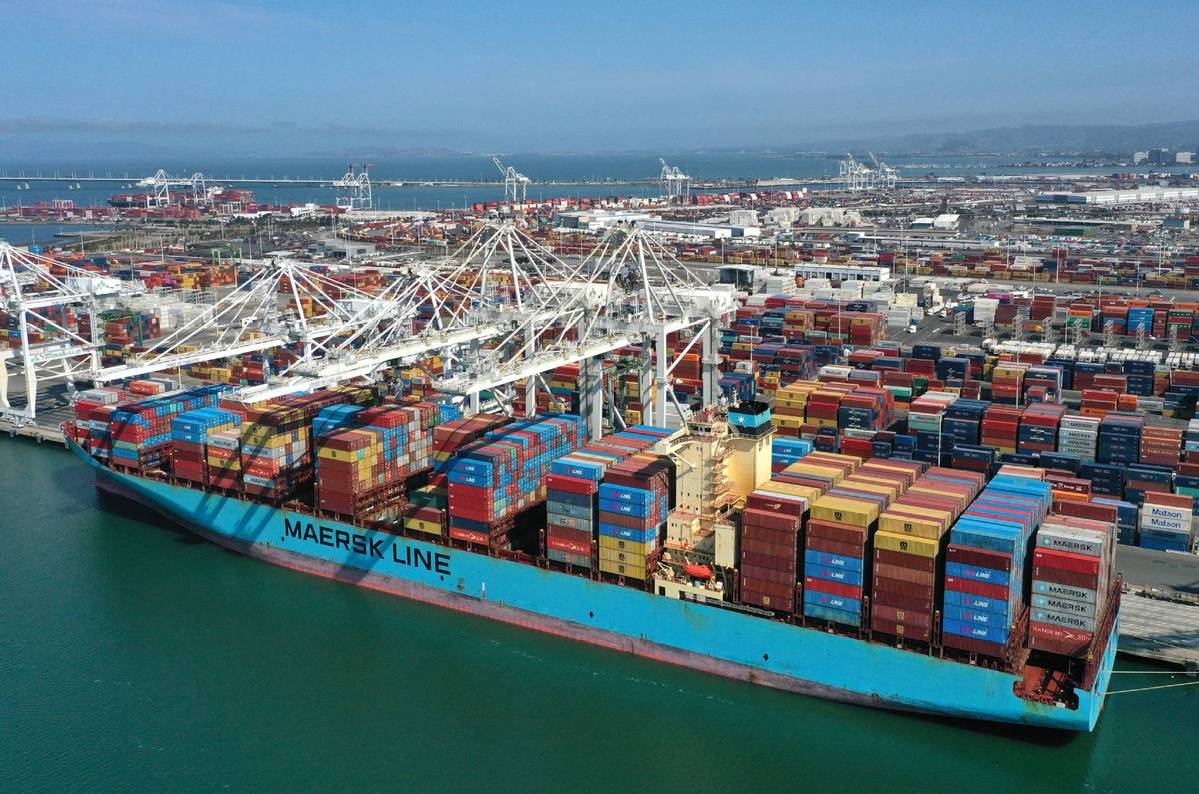
Many people blamed shipping companies after the global supply chain crisis erupted due to congestions at ports, delayed commodity supplies and surging shipping prices in many parts of the world since the second half of 2020.
That's understandable because COVID-19 triggered a crisis of ocean containers. But, many shipping lines such as Mediterranean Shipping Company, CMA CGM SA and Maersk Line have also emerged as unlikely beneficiaries, making a pile of profits for more than a year. The essential reason is the mismatch between supply and demand.
Truth be told, when the pandemic broke out, the global shipping industry did not have enough infrastructure and emergency preparedness to deal with the impact of COVID-19. Since then, troubles have been snowballing. This, in turn, has increased problems in the world's supply chains.
One of the major events that occurred during the pandemic was the blockage of the Suez Canal on March 23 by a carrier called the Ever Given, whose movement turned erratic due to a sandstorm, and ran aground across the narrow channel.
As the canal is the hub of Europe, Asia and Africa, and one of the key transportation routes between Asia and Europe, its blockage affected about 13 percent of the world's shipping volume, which passes through it. Movement of daily necessities, liquefied natural gas, crude and refined oil, grains and other bulk commodities was affected. Consequently, container prices soared to their all-time high.
The slow return of empty containers also continued to plague the industry. The problem is poor circulation of containers due to two main reasons: one, the more than two dozen busiest ports in the world are currently in a state of traffic congestion with long queues of ships, and empty containers cannot be transported back; two, the resurgence of COVID-19 has halted and affected economic and industrial activities in many countries and regions, according to information released by the Beijing-headquartered China Chamber of International Commerce.
At present, a multitude of factors are seriously affecting the global supply chain: the continuous increase in demand for inventory replenishment in the United States and European markets; insufficient capacity of ships, containers and trucks; shortage of truck drivers; a still severe pandemic situation; labor shortages in ports of Europe, the US, Australia, New Zealand and other economies; low operational efficiency of various links like warehouses, storage yards and internal ports...
In fact, the labor-intensive shipping industry is facing problems at every stage, be it the process of transportation, the loading and unloading both at ports at either end of the transportation and at warehouses, or inland circulation. Everywhere, shortage of manpower is having an impact.
Despite all this, China's ports and goods traffic have resumed unhindered. But, given the severe pandemic situation abroad, the normal production order in developed countries has been disrupted. Congestion in overseas ports has intensified. Such severe congestion and delays have led to a decline in the efficiency of the entire supply chain. Blindly increasing transportation capacity and container supply will not really solve the problem.
Many shipping companies announced a batch of surcharges for the industry's peak season in August and September. As a result, the logistics cost pressure faced by export-oriented companies will further grow.
The accelerated spread of the pandemic and the impact of extreme weather have caused serious damage to the global supply chain. The recent spread of the Delta variant of the novel coronavirus has had a particularly prominent impact on manufacturing businesses in Southeast Asia, especially in Vietnam.
With the recent popularization of vaccination, demand in the European and US markets has rebounded strongly, and the mismatch between supply and demand will further intensify. These realities will not only affect exports but increase the fragility of the global supply chain, which may have an adverse impact on China's imports in the coming months.



















