Archaeology wins a wider audience









Digital technology and broadcasts help promote heritage findings
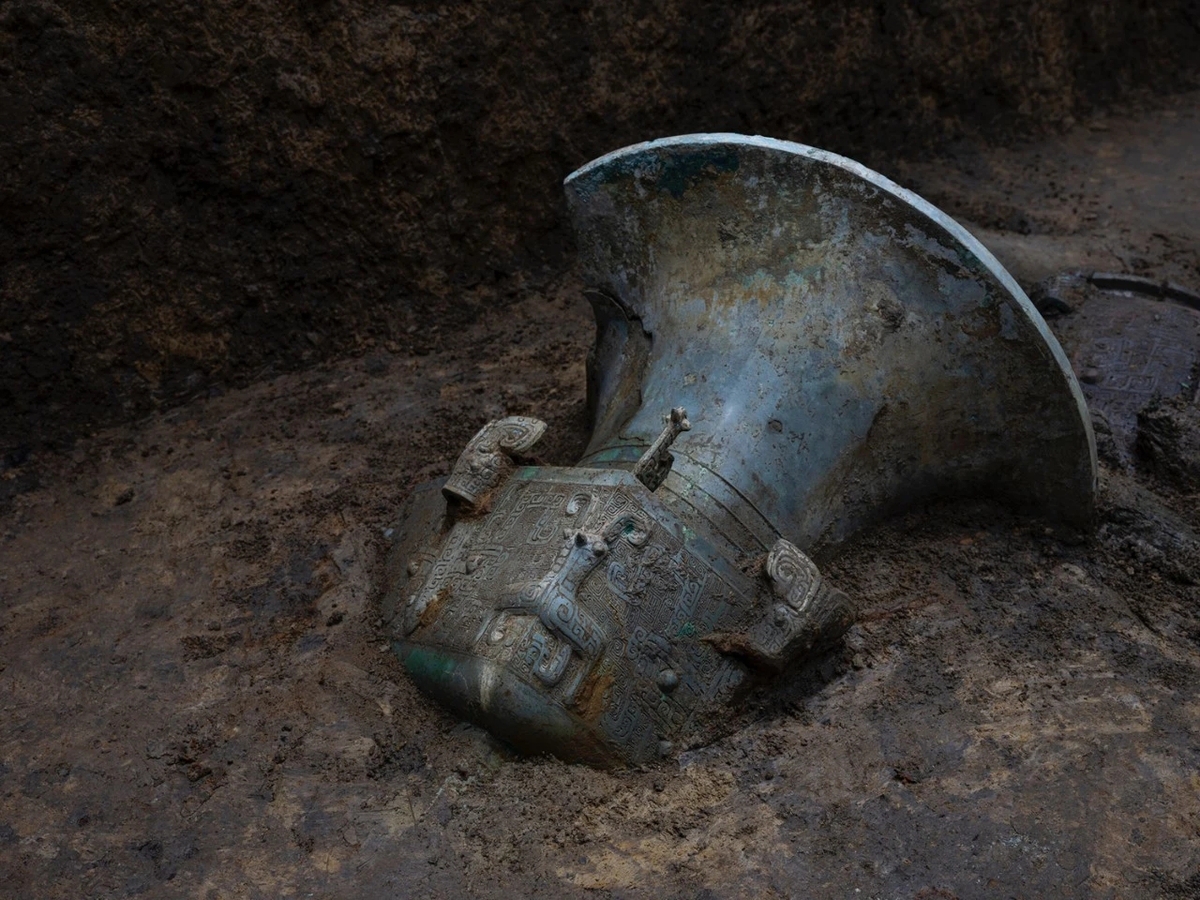
The discovery of thousands of cultural relics at the Sanxingdui site in Guanghan, Sichuan province, was probably this year's biggest archaeological surprise in China.
An aura of mystery has shrouded this 3,000-year-old site since myriad exotic bronze masks, believed to have been used for sacrificial rituals, were unearthed from two pits in 1986.
While offering clues to the belief system, social structure and communication with other cultures, the excavation of six other pits at Sanxingdui this year has triggered even more questions about the past, archaeologists said.
Masks-many more than previously seen among this type of bronze ware-exquisite jade artifacts, silk remnants and many other examples of rare relics were discovered in a new round of excavations.
Public interest in the excavations, which are ongoing, was triggered by two livestream broadcasts from the six pits by China Central Television in March and September.
Numerous related short video clips went viral and virtual reality technology was used by newsrooms to explain the findings. Animated illustrations and other platforms featuring Sanxingdui led to the site becoming a major cultural attraction this year.
For example, on Sina Weibo, Sanxingdui appeared in 16 trending topics within five days in September-five of them viewed more than 100 million times on the platform.
Xu Danyang, 26, joined the Sichuan Provincial Cultural Relics and Archaeology Research Institute after graduating from Peking University last year. A member of the archaeological team working at Sanxingdui, he was surprised to learn he had been interviewed by more than 80 media platforms this year.
"At first, I wondered why they wanted to interview me. After all, I'm just a young and ordinary archaeologist. But I later found that people now prefer to learn about archaeological findings from younger people.
"The public has begun to understand our working process and has a better idea of how artifacts are unearthed. People only need a key finding like that at Sanxingdui to become more familiar with archaeology. It's great that we can find ways that are easily accepted by more people to explain our achievements."
This year marks the centenary of the birth of modern Chinese archaeology. In 1921, the Yangshao site, which is about 5,000 years old, was found in what is now Sanmenxia, Henan province. The discovery not only revealed a stunning collection of painted pottery, but also created the foundations to study the Neolithic period in China.
Chinese archaeologists have unveiled the country's past, even in times of war, social unrest, and most recently, the COVID-19 pandemic.
Last year, more than 1,300 archaeological excavations were made in China, the most to date.
Ran Honglin, a leading archaeologist at the Sanxingdui site, said: "Thanks to the national-level emphasis on archaeology and this key anniversary, some sites became hot topics this year. We were fortunate, as Sanxingdui had the chance to become popular with the public."
A total of 34 research institutions and universities collaborated for a new round of studies on Sanxingdui. Ran also credited the site's popularity to the use of new facilities to meet the demands of complex multidisciplinary research.
For example, four glass and iron structures known as "excavation capsules" were set up to cover the six pits to ensure consistent temperature and humidity levels. To avoid disturbing the soil, archaeologists wear protective suits and can only approach the excavation area by lying on elevated platforms.
Laboratories set up at the site enable real-time conservation and analysis of findings, and tailored shields have been provided through 3D printing technology to protect unearthed relics.
Such features are new to Chinese archaeology, with many netizens watching the livestream broadcasts feeling as though they were viewing a sci-fi movie.
Ran said: "When archaeology is mixed with popular science, people find it more interesting. Having an open mind is key to promoting archaeology among the public, and archaeologists need to unveil their latest findings promptly."





- Xi urges deepening reform, opening-up during Guangdong inspection tour
- Xi attends carrier's commissioning
- Senior Xi'an official facing probe by China's anti-corruption watchdogs
- Philippines risks creating trouble for itself: China's defense ministry
- Newborn with congenital heart disease receives life-saving surgery in Yunnan
- Hong Kong charity signs diplomatic talent deal with Beijing university