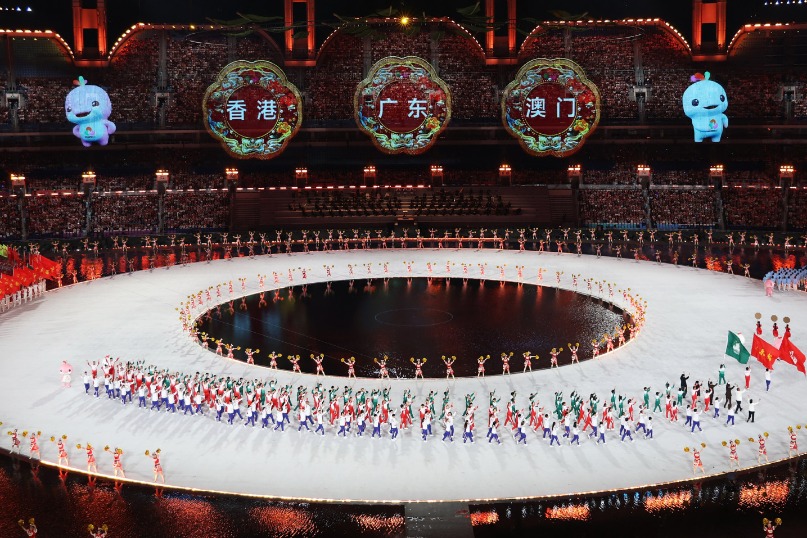
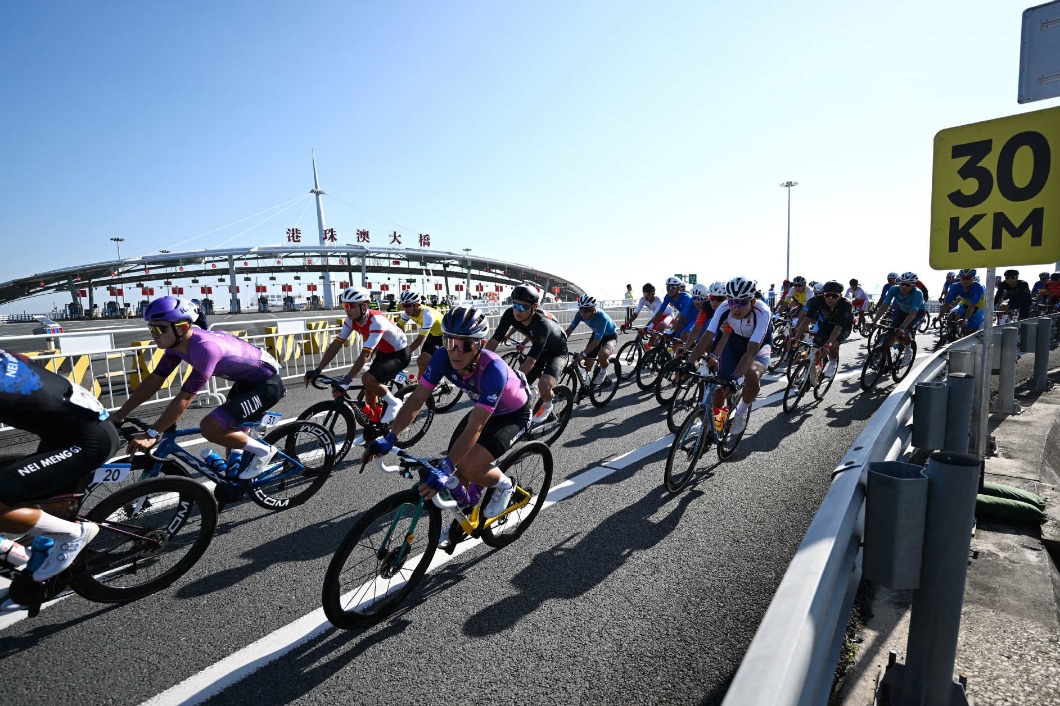
Nation powers ahead with hydrogen use at Games









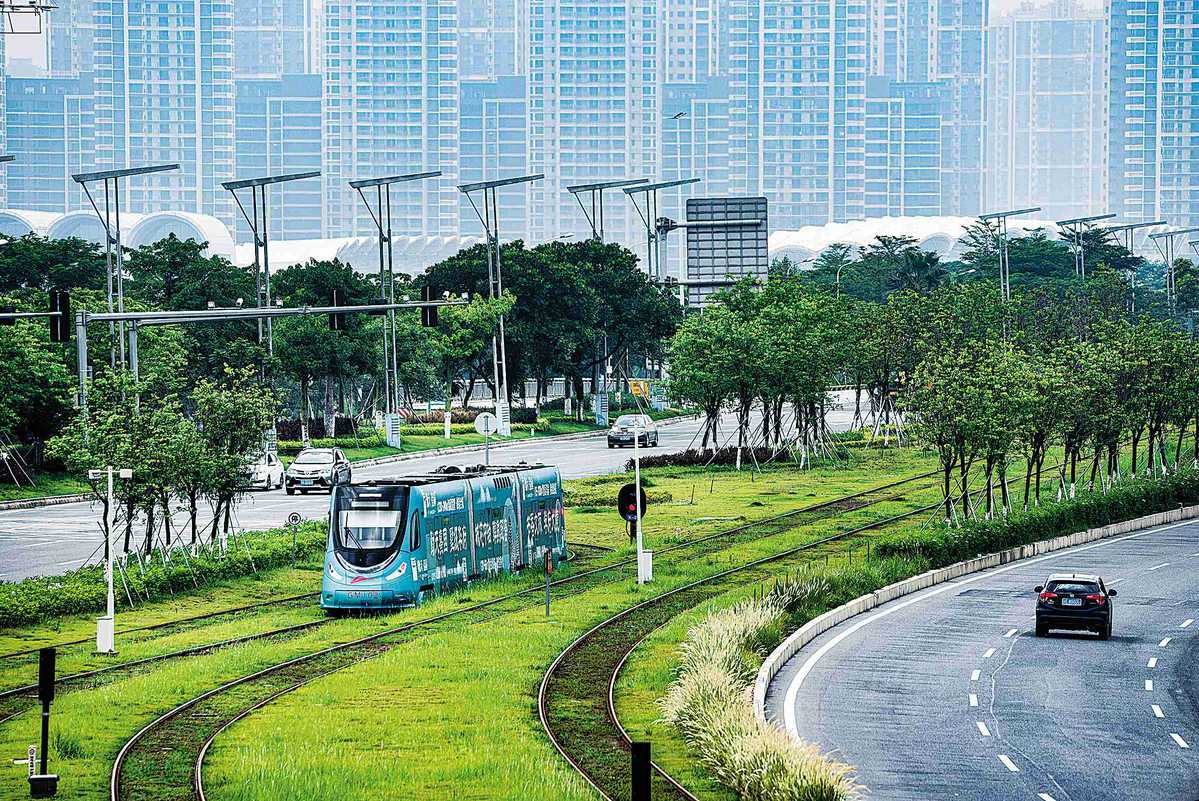
Alan Hayes, an analyst at S&P Global Platts, said the Xinjiang project is an important test case that includes development of renewable power generation, new hydrogen production and new hydrogen storage. It can also replace high-carbon-based hydrogen with a low-carbon option for consumers.
"Not many other projects include the full hydrogen production and consumption chain, including development of renewable power generation, new hydrogen production and new hydrogen storage," he said.
The company has also vowed to build the world's largest hydrogen refueling network, with 1,000 stations by 2025, compared with just 100 nationwide by the end of last year. China currently boasts 200 hydrogen refueling stations and aims to have 300 by the end of this year.
In November, national energy giant State Power Investment Corp launched a demonstration project in Tibet autonomous region, focused on using hydrogen in preference to renewable-based power. Meanwhile, Baosteel, the country's largest steel producer, has also pledged to reach net-zero emissions by 2050, focusing on hydrogen-based steel production.
Plans drawn up
Cities nationwide are also preparing plans to tap the hydrogen sector, with more than 30 provinces and regions including this industry in their 14th Five-Year Plan, aiming to further take advantage of the cleaner fuel.
By 2025, the municipal authorities in Beijing aim to have 10,000 hydrogen fuel cell vehicles on the roads and 37 refueling stations for the gas, part of an ambitious plan to develop the hydrogen energy industry.
Shanghai is also planning to lead development of this industry by introducing 10,000 cars powered by hydrogen and more than 30 refueling stations by next year.
Shanxi province, a traditional area for coal mining, has pledged to become a national hub for the hydrogen industry, adopting development of the gas as part of its "energy revolution".
Yin, from BloombergNEF, said northern and northwestern provinces rich in renewables will benefit from the burgeoning hydrogen sector, as they have considerable wind and solar energy resources.
Multinationals are also planning to further tap the potential of hydrogen in China, confident in the nation's huge market potential. Companies such as Siemens, Thyssen-Krupp, Toyota, Ballard and Hyundai are drawing up hydrogen business plans in the country, eyeing the potential for the sector's development.
Hydrogen, currently produced mainly from natural gas, generates significant carbon emissions, known as "gray" hydrogen. "Blue" hydrogen has its carbon emissions captured and stored, or reused, while "green "hydrogen is generated by renewable energy sources without producing carbon emissions.
The nation's green hydrogen production capacity, based on renewable energy, is expected to reach 50,000 tons annually this year and is forecast to grow in years to come, according to the China Hydrogen Alliance.
It said the cost of harnessing solar and wind energy has continued to fall over the past 10 years, further boosting hydrogen's commercial viability.
According to Royal Dutch Shell, by 2060, up to 85 percent of the hydrogen used in heavy industry, agricultural machinery, heavy-duty road transportation, short-haul aviation, and shipping will be green hydrogen produced through electrolysis powered by renewable and nuclear energy.
However, Yin said China may take time to develop its role as an importer of green hydrogen and could lag behind markets such as Japan.
Royal Dutch Shell said infrastructure related to hydrogen will witness large increases in investment, particularly from the 2030s onward, as technologies and markets mature and are used to reduce emissions in sectors where it is hard to introduce electrification.
Annual investment to support the energy transition to net zero is estimated, on average, to be 1 percent higher than in recent years. However, in terms of energy supply, a significant reallocation of investment from fossil fuels to low-carbon electricity and low-carbon fuels such as hydrogen is required, the company said.
Directing some of this spending toward hydrogen-for example building hydrogen transportation and storage infrastructure-can stimulate demand in the short term and support climate-sustainable growth in the long term, it added.



- Scholars call for ecological protection of Tunbu culture
- Cross-Strait exhibition highlights Chinese crested tern conservation
- China halts port fees on US vessels for one year
- China moves to cut teachers' administrative workload
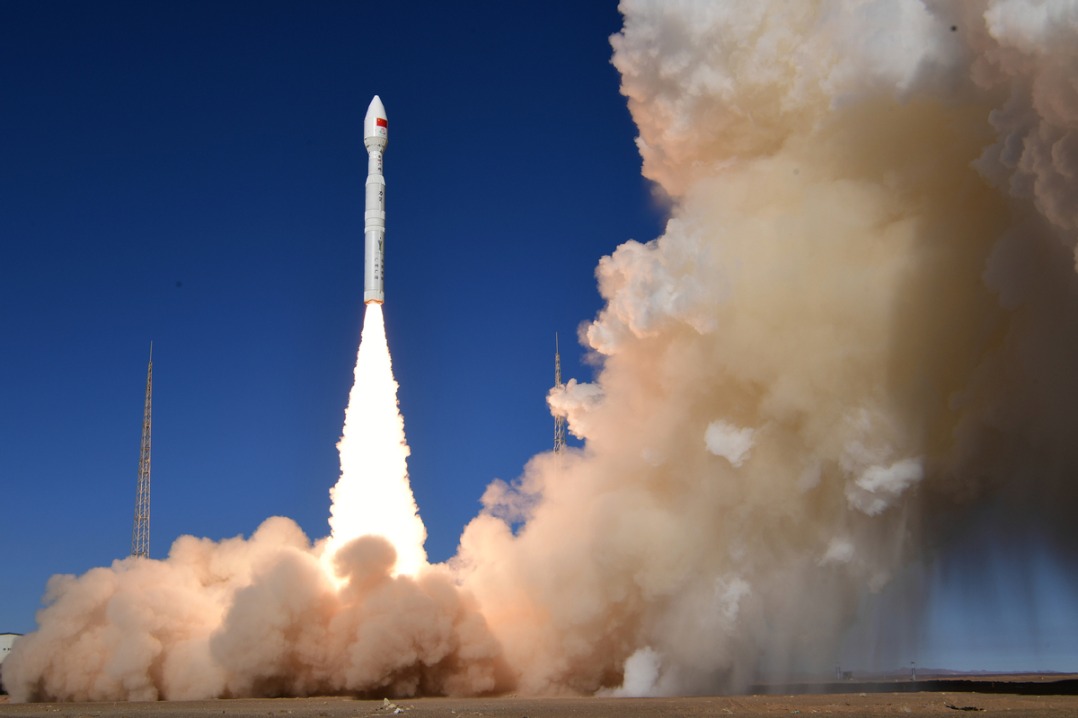
- China launches group of internet satellites into orbit
- Former senior official expelled from CPC for serious violations