Space tech underpins stellar Games










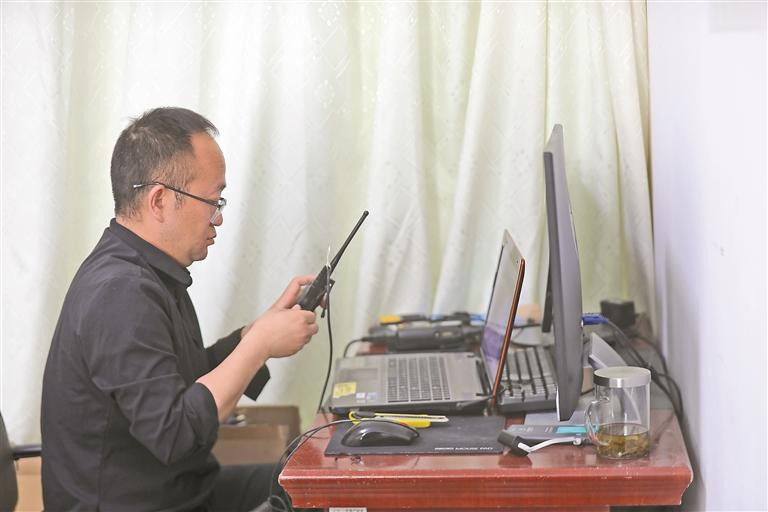
The meteorological data gathered by the equipment are transferred to weather forecasters who use the information to produce reports and make decisions on issues, such as whether artificial snow needs to be created, he said.
Wei Shuo, another engineer at the institute, said: "For example, there is a cloud radar on the top of Haituo Mountain (in Beijing's Yanqing district) that has been collecting snowfall data for the past six years. It detects and analyzes the moisture content, position and speed of clouds to help weather experts forecast and monitor snowfalls."
In addition to the fixed radars and stations, the engineers have designed and produced hundreds of handheld snow analyzers.
"This portable device relies on sensors and cutting-edge algorithms to identify the condition of ground snow. It features a special data pool of snow conditions in sports venues that have been measured and recorded by our engineers over the past two years," Wei said.
All data collected by the institute's products are transmitted back to the Games' weather department in a matter of minutes, enabling forecasters to produce accurate, timely reports for sports organizers and athletes, he added.

- Shanxi ends province-wide blanket fireworks ban
- Audit: China fixes bulk of fiscal problems tied to 2024 budget
- China reports major gains in circular economy
- Chinese lawmakers review draft revision to banking supervision and regulation law
- Top legislature to study draft laws on environment, ethnic unity, national development planning
- Administrative organs must secure people's interests: senior judge