Pandemic proves to be learning curve









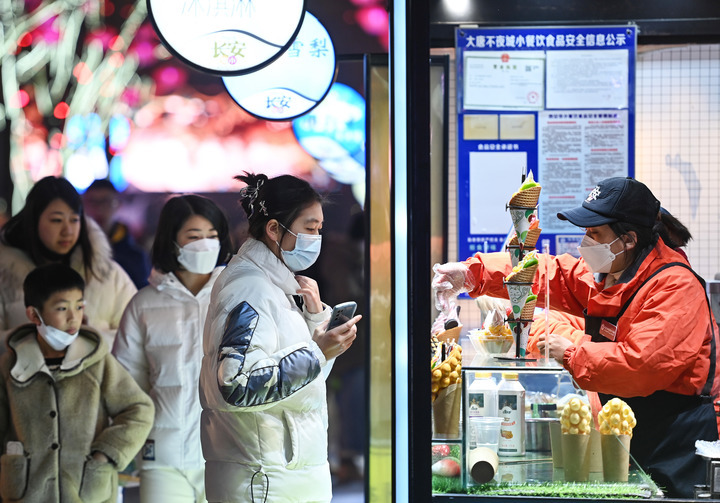
The past three years have been a steep learning curve in handling COVID-19 patients for Dang Shuangsuo, an epidemiologist in Xi'an, Shaanxi province.
At the outset of the pandemic, when the deadlier variants of the virus were sweeping the globe, just a few antivirus drugs and herbal medicine prescriptions commonly used for seasonal flu were available for Dang to treat COVID patients.
He and his colleagues were then not so sure about what parameters to monitor in patients so that they could intervene before mild symptoms morphed into life-threatening conditions.
In the beginning, he recalled, no diagnosis and treatment plans had yet been tailor-made for specific age groups, such as elderly patients and young children.
Adhering to the country's consistent principle of always putting people's lives and health first, Dang and his peers have witnessed the systemic evolution over the past three years of measures in terms of virus containment, treatment knowledge, response procedures, drugs and vaccines, thanks to tremendous resources mobilized by the authorities at all levels.
By the time China optimized its COVID-19 control measures at the end of last year in light of the decreasing virulence of Omicron subvariants, Dang, the director of the infectious diseases department of the Second Affiliated Hospital of Xi'an Jiaotong University in Shaanxi province, said that the Chinese medical community was much better equipped and experienced to tackle novel coronavirus infections compared with three years ago.
COVID medicines such as the domestically developed Azvudine, the Pfizer-made Paxlovid, and Molnupiravir manufactured by Merck& Co have been approved for clinical use in China, while more efficient and convenient vaccines, including an inhalable one, were made available last year for people seeking an extra layer of protection.
Rules have been clarified over when antibiotics can be used on COVID patients, promoting the proper use of drugs and reducing antibiotic resistance.
Meanwhile, efforts to add more critical care beds and to raise the inoculation rate among older adults were also picking up.
In addition, a newly released diagnosis and treatment plan for severely ill COVID patients listed blood oxygen saturation under 93, among other body indexes, as a warning sign of a deteriorating condition, making it easier for doctors to take action before it's too late.
"Over the past three years, COVID-19 changed from an unknown virus into a better-known one," said Dang, who is also vice-chairman of Shaanxi's expert panel for the prevention and treatment of major infectious diseases.
Dang was well aware that being cautious in terms of COVID-19 control policy is an inevitable choice for the Chinese government, given the country's vast population, fast-aging demographics and the uneven distribution of medical resources.
Due to the country's large population, China's hospitals are susceptible to being overstretched if outbreaks spread unchecked.
In addition, National Bureau of Statistics figures showed that China had 280 million people aged 60 and over by the end of last year, and this is the age group that the National Health Commission said this month accounts for almost 90 percent of severely ill COVID cases.
For much of the past three years, China was under tremendous pressure to abandon its stringent COVID-19 control measures.
As the virus' lethal variants interrupted life worldwide, some Western - countries, where factories were forced to shut down as workers fell sick - attempted to shift the blame to China, where lives largely returned to normal due to strict controls over infections - for disrupting global supply chains.
However, China stood its ground and kept its border controls in place until January. By this time, the dominant Omicron subvariants were much less deadly than their predecessors, and more than 90 percent of the Chinese people were vaccinated.
On Jan 8, China downgraded the management of the virus, so that inbound travelers no longer have to undergo quarantine or take a nucleic acid test upon arrival.
The three years of strict control of international travel, together with efforts to nip every domestic outbreak in the bud, have bought precious time for experts such as Dang to learn more about COVID-19 as they approve new treatments, develop more effective vaccines and make new diagnosis and treatment plans for COVID-19 patients.




- Senior Xi'an official facing probe by China's anti-corruption watchdogs
- Philippines risks creating trouble for itself: China's defense ministry
- Newborn with congenital heart disease receives life-saving surgery in Yunnan
- Hong Kong charity signs diplomatic talent deal with Beijing university
- Aircraft carrier Fujian, commissioned
- Erdos offers 10,000 yuan subsidy for families having third child