



Infused with history
The humble tea leaf is not merely the basis of a popular millennia-old beverage. It is an integral part of China's economic and social foundations and has helped the nation forge bonds all over the world.










Chinese tea culture is very rich in both physical and spiritual terms. Physically, it consists of tea cultivation, brewing, serving techniques, methods of consumption and the tea ceremony. Spiritually, it contains the wisdom of oriental philosophy, reflecting the doctrines of Taoism, Confucianism and Buddhism.
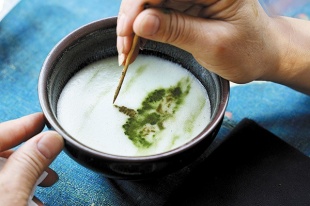
As the core of the tea culture, the Chinese tea ceremony, which is also referred to as "tea art", focuses on achieving harmony through the tea, water, utensils, preparation, environment, atmosphere, music, infusion techniques and interpersonal relationships. Each cup of tea is brewed with ritual, and in the process of self-improvement for ancient Chinese literati and modern enthusiasts, etiquette is learned, inner peace is pursued, aesthetic and moral values are cultivated, and friendships are revived.
Tea has an obvious significance in improving personal health. Regular tea drinking can activate a detoxification process and help strengthen the body. Physical health is the prerequisite for pleasure and nourishment, and only through self-enjoyment can one sublimate the realm of life, and, thus, in return improve its quality. As the saying goes: One must see the world in a tea leaf; and heaven in a cup of tea. That's why, as a living heritage, Chinese tea enjoys huge popularity among all social strata, from ancient emperors and literati, to modern grassroots Chinese.
Chinese tea culture highlights tranquility within oneself and harmony with the others. Tea also serves as a bridge connecting China and the world.
It was the Dutch who first introduced Chinese tea to Europe, marking the start of tea drinking on the continent. The massive import of Chinese tea to Europe began in the 17th century. From 1720, the demand for tea, in Britain particularly, grew so rapidly that tea drinking became popular among people at all levels of society, making Britain the largest importer during the maritime tea trade in the 18th century.
The Tea Horse Road, which was part of a centuries-old trade network linking China with Southeast Asia and India, as well as the Maritime Silk Road, which was the maritime section of the historic Silk Road that connected China, the Arabian Peninsula and Europe, have both contributed to the Chinese tea trade and global cultural exchanges.




















