Ensuring a better connection









Nathan Chau says enriching study tours to the Chinese mainland will help Hong Kong's young people foster a stronger sense of national identity, and promote a deeper understanding of the country's history, culture and politics.
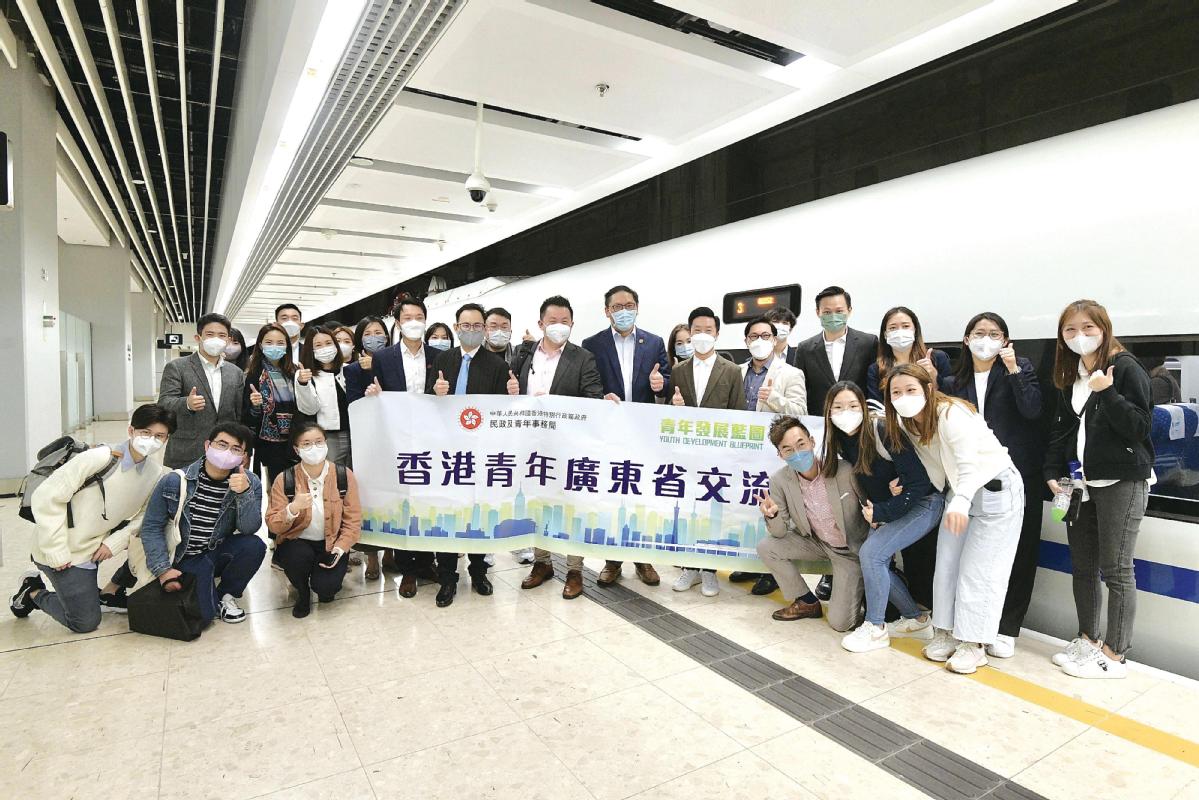
Young people are the hope of all nations and the backbone of every country. This is truer than ever for Hong Kong, a special administrative region of China. In recent years, following the social unrest in 2019, educators and organizations in the HKSAR have stepped up efforts to win the hearts and minds of young people and help them adopt a stronger sense of national identity by organizing tours to the Chinese mainland, particularly mainland cities of the Guangdong-Hong Kong-Macao Greater Bay Area.
It is hoped that such visits will give young people firsthand experiences and a better understanding of the motherland, especially its social and cultural characteristics. Personal experience of the nation's social life will strengthen their sense of national identity and help them understand its cultural values and social landscape. This will enable them to develop well-thought-out national and global perspectives.

A review of the youth exchange programs between the HKSAR and mainland cities of the Greater Bay Area has shown mixed results. Young people in Hong Kong can get engaged in the country's development and harness their vibrant energy to contribute to national prosperity and stability. By encouraging a greater diversity of participants and enriching the content of these programs, we can provide our young people with a more comprehensive understanding of the motherland.
Currently, youth exchange programs between the HKSAR and the mainland are launched by organizations such as clansmen associations, youth groups and schools. While these groups undoubtedly have a passion for the country, the limited number of participants may inadvertently restrict the potential impact of such study tours. It would be beneficial to consider having more people joining these programs, such as young professionals and those who have just entered the workforce, in order to foster a stronger sense of national identity.
It also seems that some of these exchange activities have followed a somewhat fixed pattern. While I appreciate the value of visiting significant historical sites or modern developments, I believe such experiences may not always provide a complete understanding of the social, cultural and political spheres. A more immersive experience of the mainland's cultural and social fabric may be necessary to give tour participants a thorough understanding of the country, rather than just a walk-through visit.
As for the length and content of these tours, many of them adhere to a model characterized by high efficiency and brevity. Although this allows many activities within a limited time, it may deprive participants of the chance to engage in a more in-depth investigation of the culture, history and society of the locations they visit. Rushing through multiple sites within a short time provides less understanding of them, and not an experience that is comprehensive and meaningful.
Often, there is also a lack of breadth and depth in the content of these tours. For instance, there is inadequate detailed information given about the history and ideology of the Communist Party of China. In the absence of more comprehensive information, participants' understanding of the country can be somewhat superficial. As the Party is the ruling and most important party in the country, an understanding of the values it upholds will help youths obtain a deeper understanding of the nation.
To make such programs more effective, I suggest that more opportunities be allowed for extensive discussions and studies about the mainland's society and politics. This could be achieved through lectures, group discussions, or conversations with mainland scholars, experts and policymakers, which would greatly enhance the programs' content.
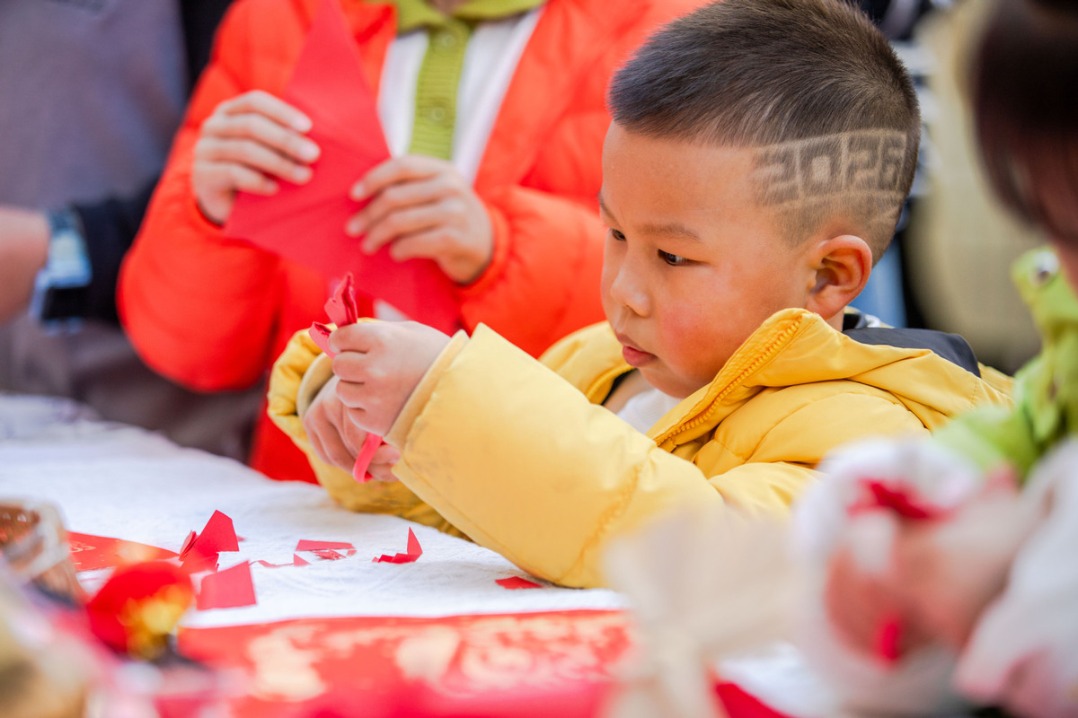
Incorporating traditional Chinese cultural experiences, such as Chinese calligraphy, traditional music, dance, or the experience of wearing traditional Chinese attire, would be more appealing to the younger generation. This could be accomplished by taking a leaf from other countries that have similar study tours and exchange programs. It might be a good idea to incorporate aspects of contemporary Chinese popular culture, such as anime, popular music or esports, as these aspects have the potential to increase participants' interest.
It would also be great to consider providing lectures on the history and ideology of the Communist Party of China or arranging visits to historically significant sites. This could help encourage a deeper understanding and appreciation of the nation's history, culture and politics.
Despite the undeniable success of the youth exchange programs between Hong Kong and the mainland, it's important to note they can still be improved on and expanded. It would be wonderful if the number of participants, as well as the traditional and contemporary aspects of culture and content, could be increased. As we move forward, it would be very helpful if we could offer more substantial and in-depth experiences with the potential to truly resonate with the younger generation.
Making these modifications would broaden the scope of study programs and improve participants' understanding of the mainland's dynamic culture, varied history, and the shifting social and political environment. As we try to make these improvements, we can look forward to encouraging deeper connections and a heightened sense of national identity among Hong Kong's younger generation.
It's also important for us to keep in mind that our ultimate objective is not only to educate, but also to inspire young people. It would be great if we could make these exchange programs more beneficial by igniting lifelong appreciation for our nation's heritage, sparking curiosity, and stimulating understanding.
We can thus ensure that young people can not only create memories that will last a lifetime, but also gain valuable knowledge and a sense of belonging that will positively impact them for many years to come through an approach that's both all-encompassing and immersive. If we move forward this way, we're not merely enhancing a program - we're investing in the future of our society and country.
The views do not necessarily reflect those of China Daily.



- PLA practices seizure of key ports during drills in waters to east of Taiwan
- China becomes the world's 4th manufacturing power
- China rolls out plan to boost health of children, youth through 2030
- Striding ahead on path of national advancement
- China launches new satellite
- PLA conducts long-range live fire drills to south of Taiwan Island