


A cup of inspiration









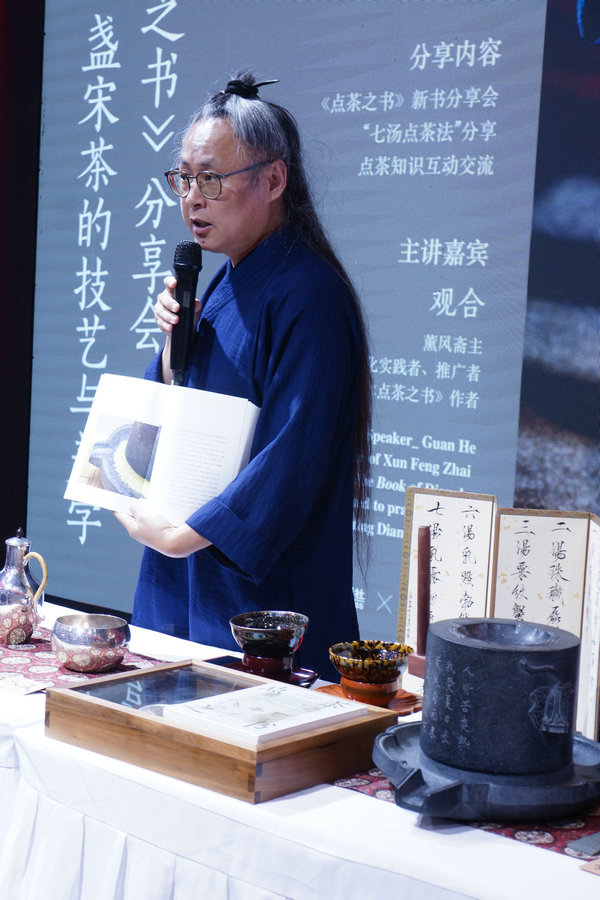
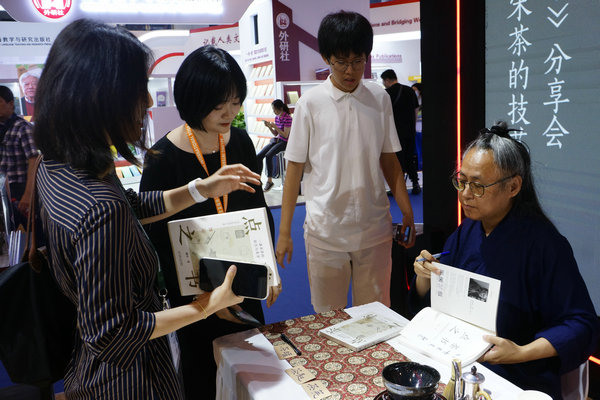
For years, Guanhe (pen name) has been practicing, studying and promoting the art of tea whisking, an art that originated in the Tang Dynasty (618-907) and thrived in the Song Dynasty (960-1279).
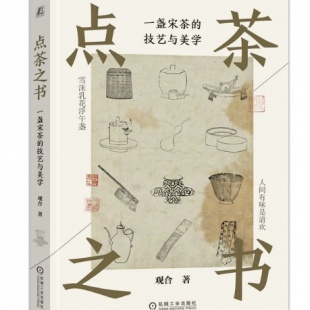
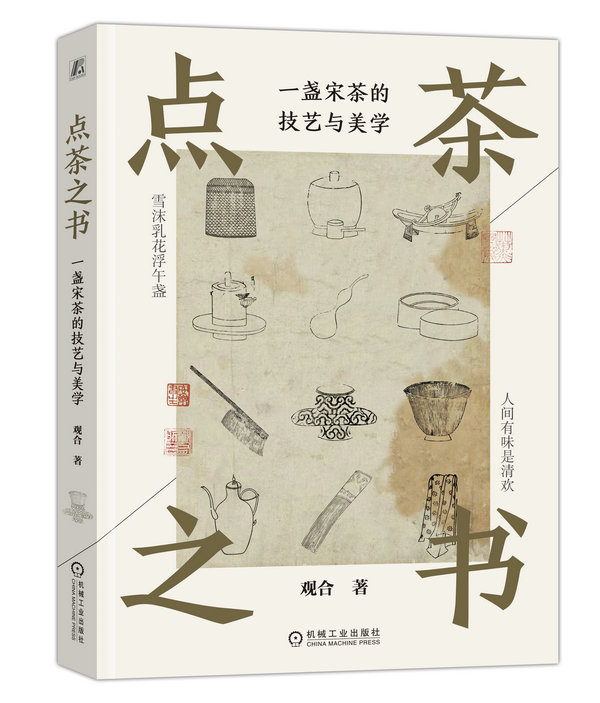
In his recent published work, The Book of Diancha, Guanhe summarizes what he's learned after years of examining the ways of drinking tea that have long disappeared from daily life but been rediscovered and brought under the limelight by hit TV series A Dream of Splendor.
Diancha involves whisking tea powder with water and producing foam on the surface of the liquid, so thick that it can be written on. This visual art is called chabaixi, also a provincial-level intangible cultural heritage of Fujian province.
In his book, Guanhe introduces the origin of diancha and the differences of practicing the technique in ancient times among people from different social circles, for example, the royal court, the literati and ordinary citizens.
He also compares tea-drinking traditions between China and Japan, as well as the aesthetics and value systems reflected through the process. Diancha was brought to Japan in the Song Dynasty and inspired its matcha tea ceremony.
The skills of producing powdered tea, how to choose and prepare the water to accompany the tea, various tea sets and tools used for diancha, and most importantly, how to better practice the ancient technique, are featured in the book.
Guanhe writes that a better living condition doesn't necessarily guarantee inner peace. Today's material abundance, on the contrary, makes people pursue outside interests rather than looking inward, seeking for, enjoying and trying to understand a cup of fine tea.
To learn about diancha, one has to dive deep into traditional Chinese culture and try to understand it in the way ancient people did, the author says. He hopes diancha, as a traditional technique, can be experienced, mastered and brought back to daily life.