Shandong: A tale of river civilization and human ingenuity









East China's Shandong province is where the Yellow River and Grand Canal converge. The former has given birth to countless rivers since ancient times, while the latter connects five major river systems of China, encapsulating the memories of a nation's rise and fall and the diligence and wisdom of generations living along the canal.
A delegation of reporters and social media influencers from the United States, the United Kingdom, Canada, Rwanda, Greece, Egypt, and Yemen embarked on an exploration of Weifang, Dongying and Zibo, cities in the province, from Sept 8 to 10.
During their first stop in Weifang, the guests were treated to an exhibition showcasing a wealth of intangible cultural heritage items pertaining to the Yellow River and Grand Canal.
Paintings, food, dances, wares and handicrafts from ancient China dazzled the group.
"This is the first time I've been to Shandong, everything is very interesting, and I am particularly fond of the way lace is made with wood bobbins," said Asmaa Mostafa, an Egyptian internet influencer and international student based in Wuxi, Jiangsu province, while visiting a booth themed on traditional Shandong weaving.
Zou Hanzhen is the fourth-generation inheritor of a wood bobbin lace-making technique from Yantai in Shandong. "I have been practicing it for more than 50 years. I saw my grandmother and mother doing it for a living while I was a kid. This type of lace was actually very popular around the 1970s and was exported to over 60 countries, especially Italy, Belgium, the UK and Japan," said Zou proudly.

"I really wish that more people would learn this lace-making skill, since we have very limited practitioners here, and it is gradually dying out. I would like to see it taught in schools," Zou added.
Like a majestic dragon winding its way through northern China, the Yellow River is both ferocious and gentle, bringing fertile soil and oasis-like landscapes, as well as floods and mudslides that have claimed countless lives throughout history. It is through the perpetual struggles with the river that the Chinese have learned to coexist with nature.
"Where there is water, there is culture. The Yellow River is central to Chinese culture, and the South-to-North Water Diversion Project is not only an achievement for China, but for the world. It demonstrates humanity's relationship with nature – how they work with nature and overcome it," said Richard Blewitt from the UK.

Dongying is where the Yellow River flows into the Bohai Sea and is the birthplace of Lyuju Opera, which is renowned for its unique singing style, graceful movements and elaborate costumes.
"Even without understanding the lyrics, through the voices and actions alone, you can get an idea of the song's feel," said Dean Munk, a Canadian teacher based in Jinan for six years. His absorption in history made him decide to stay in Shandong, the birthplace of Confucius.
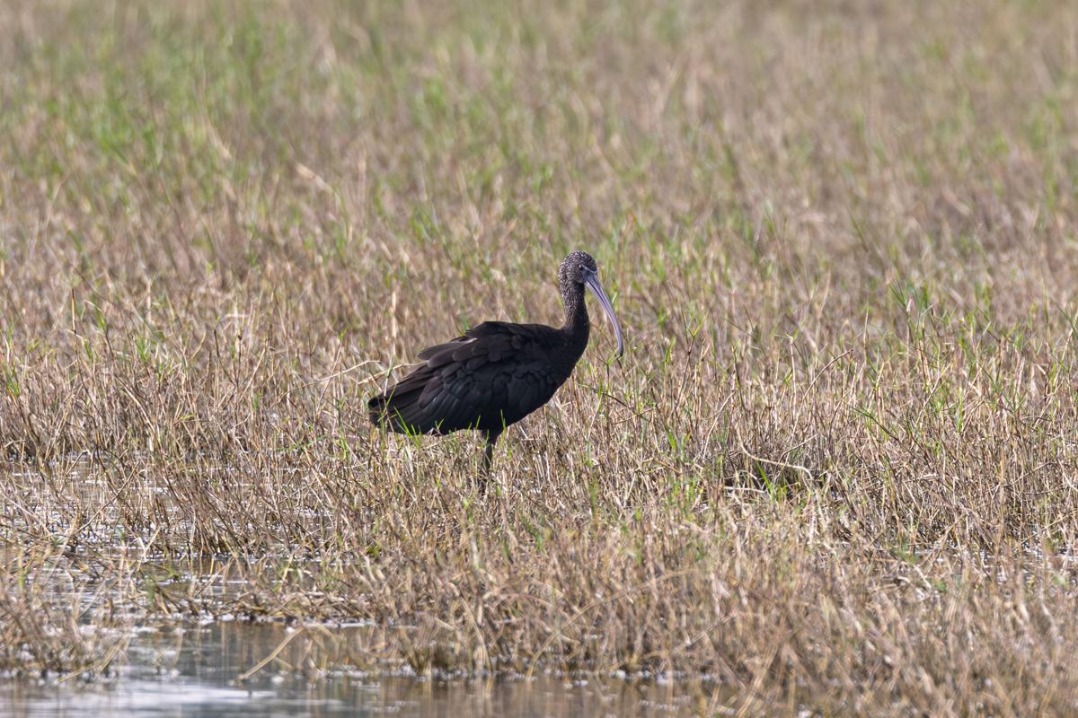
On the afternoon of Sept 9, the expats went to the Bird Museum of the Yellow River Delta and the Yellow River Estuary Ecotourism Area.
"We now see the birds returning to the area, and they are living with people, it is a very positive message. I am very happy to see that nature is rejuvenating itself," said Alexandra Alexandrou, a blogger and traveler from Greece, lauding a slew of actions the city has taken to protect birds and their habitats.
The final destination of the delegation's trip is Zibo – a serene and small industrial city until March this year, when a barbecue campaign took the country by storm and triggered a tourism surge.
In contrast to the sizzling charm of barbecue, ceramic, another calling card of Zibo, remains a quiet craft that requires patience and knowledge encompassing painting, sculpture and many other artistic forms.

This old craft turns out to have many modern-day fans, including Mohammed Al-Zouba, a Yemeni photographer who tried his hand at making glazed earthenware and ceramics at the 23rd China (Zibo) International Ceramics Exposition, which is being held on Sept 9 -12.