


Old tea forests in Pu'er win World Heritage Site title









The Cultural Landscape of Old Tea Forests of the Jingmai Mountain in Pu'er gained the World Heritage Site status at the ongoing 45th session of the World Heritage Committee of UNESCO in Riyadh, Saudi Arabia, on Sunday, becoming China's 57th entry to the list and the first World Heritage Site related to tea.
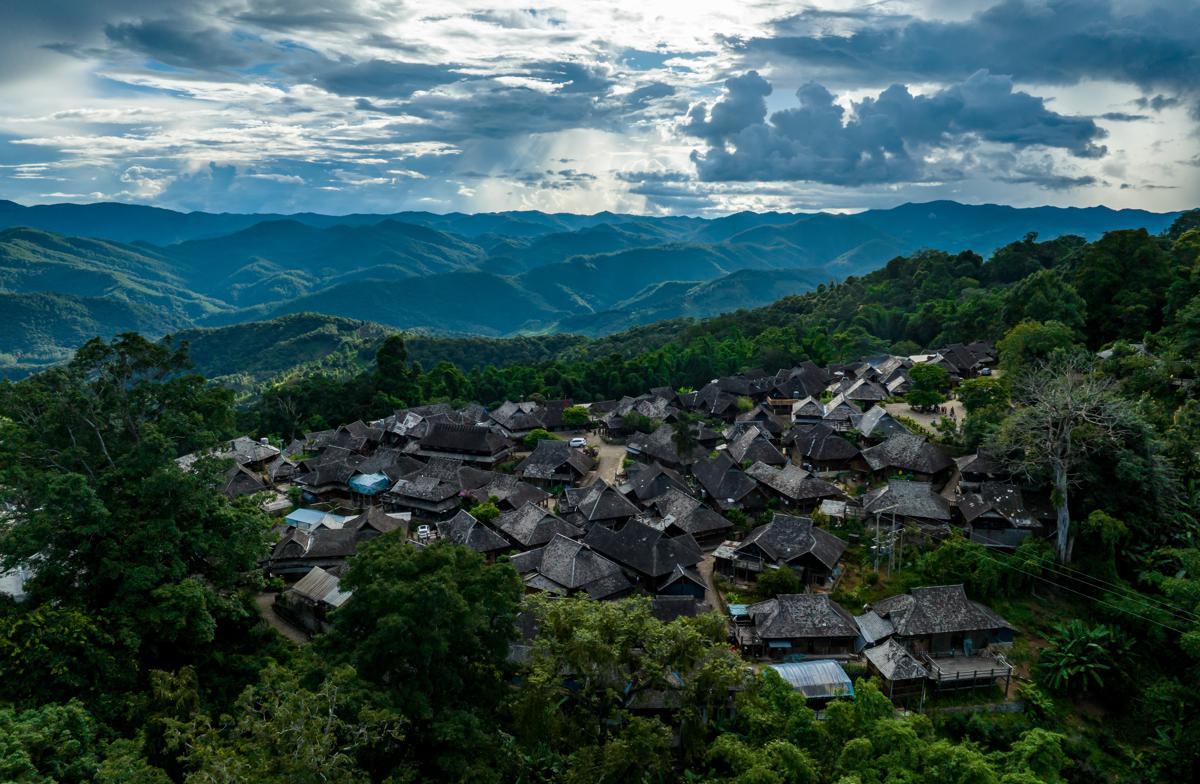
The newly named heritage site, located in Lancang Lahu autonomous county in Pu'er, Yunnan province, comprises five large-scale, well-preserved old tea forests, which stand 1,250 to 1,500 meters above the sea level; three protective barrier forests; and nine ancient villages in the old tea forests, which are mainly inhabited by Blang and Dai ethnic groups.
The cultural landscape was jointly created by the ancestors of the Blang people — who immigrated to the Jingmai Mountain in the 10th century AD and later discovered and domesticated wild tea trees — and the indigenous Dai people.
On the basis of long-standing practices, local people developed the understory growing technique, which involves allowing shrubs or trees that are small and sufficiently shade-tolerant to thrive under the canopies of taller trees.
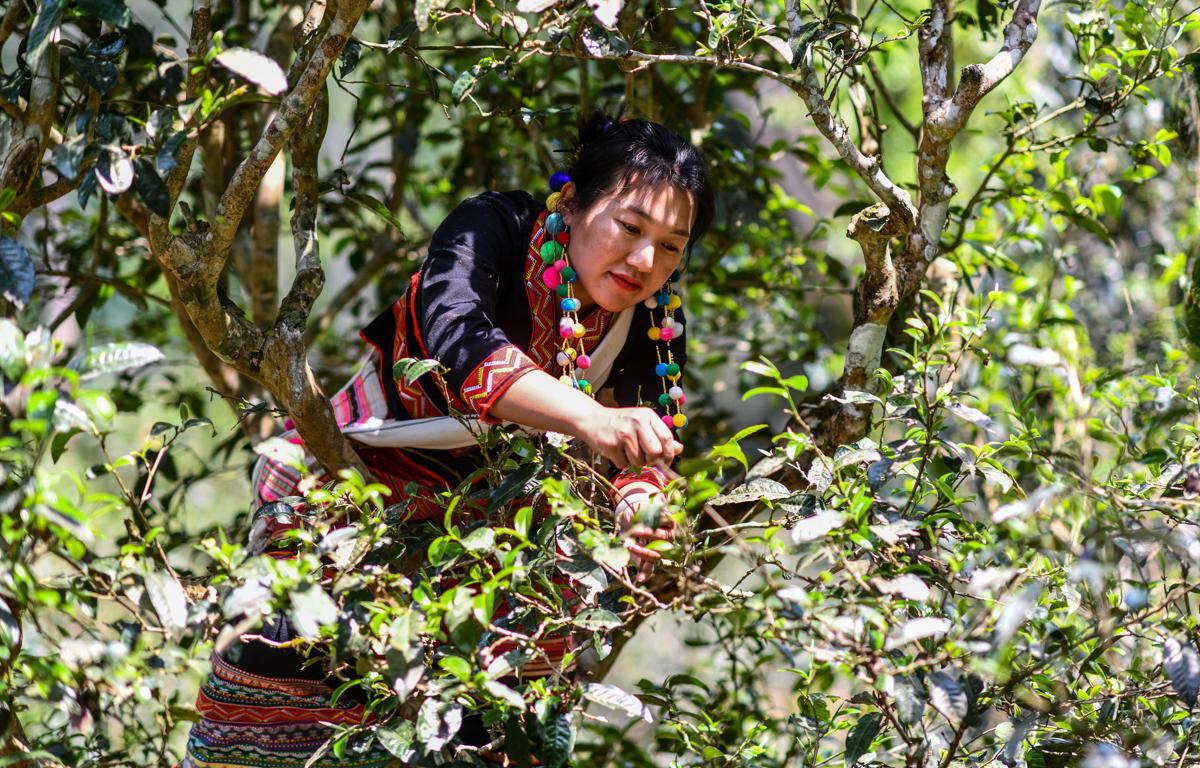
The local people created ideal light conditions for growing tea trees, while preventing insect infestation through a well-preserved forest ecosystem, thereby producing quality organic tea leaves without the use of pesticides and chemical fertilizers.
During its 45th session, the UNESCO World Heritage Committee noted that the region bears "an exceptional testimony to the understory tea cultivation traditions", which have enabled the "development of a complementary spatial distribution of different land uses, providing ecosystems and microclimates that support both the cultivation of old tea forests and the well-being of communities residing in this organically evolved cultural landscape".
The committee said the cultural landscape is an outstanding example of a sustainable land-use system based on the combination of horizontal and vertical land-use patterns. "This land-use system permits the complementary use of natural resources in the mountainous environment of Jingmai Mountain and represents an exceptional example of a human interaction by Blang and Dai peoples with a challenging environment."
Li Qun, director of the National Cultural Heritage Administration, pledged in Riyadh that China will strengthen efforts to better supervise the heritage site, address climate change challenges, guide local communities to join protection programs and regulate tourism to ensure that the lasting, outstanding and universal values of the old tea forests are inherited.
"We will also promote international exchanges and cooperation, and take more responsibilities in protecting and managing World Heritage Sites," Li said.
Chen Yaohua, director of Peking University's World Heritage Research Center, said the tea growing technique on the Jingmai Mountain is quite unique at a time when large-scale terraced tea plantations play a dominant role in the world.
It represents the ecological ethics and wisdom that can inspire sustainable development in the world today, said Chen, who has led studies on the site for the past 12 years.
According to his research, about 10 percent of the tea trees on the mountain are at least 100 years old, with the oldest dating back more than 300 years.
Growing tea contributes to over 90 percent of the income of the indigenous communities, who maintain an ancient governance system to protect the site. The system includes traditional festivals and ceremonies related to the ancestral belief that spirits live in the tea forests as well as in the local flora and fauna.
In addition, the local government of Pu'er and the Yunnan provincial authorities released three laws and seven regulations focusing on protection of the cultural landscape on the Jingmai Mountain.
Core zone of the World Heritage Site covers about 72 square kilometers on the mountain. The buffer zone spreads over about 120 sq km. The cultural landscape of old tea forests was included on China's tentative list for seeking world heritage status in 2012.