Steeped in history









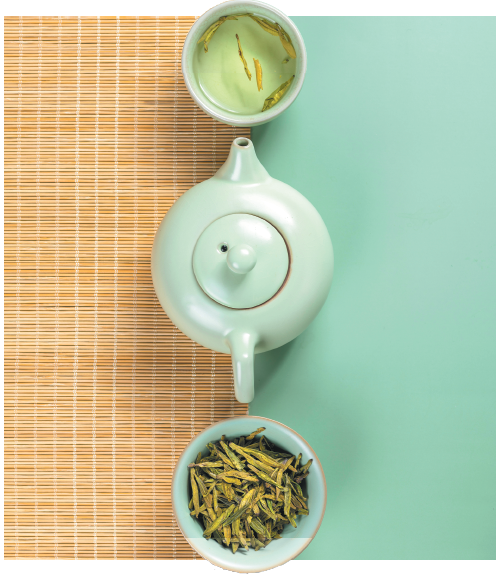
A leaf fell into water and changed the taste of it. Henceforth, tea was born.
China is known as the home of tea. Since ancient times, tea has permeated Chinese culture, leaving its aroma in poetry, etiquette and customs. Tea lovers enjoy the drink not just for its flavor, but also for the beauty of tea ceremonies.
Picking tea leaves is an important spring activity in the Yangtze River basin in South China. The earliest batch of tea is often ready to be picked before Qingming Festival (aka Tomb Sweeping Festival), which is observed in early April when the temperature begins to rise and rainfall increases. This precious, small crop, widely sought after for its outstanding quality, is called Mingqian tea.
East China's Zhejiang province is acknowledged as a major producer of tea. White Tea in Huzhou city's Anji county and West Lake Longjing Tea in Hangzhou have earned worldwide renown. In spring, local hillsides are filled with tea workers sowing seeds on their land. In the peak seasons, many tourists flock to witness the beautiful scenery of tea farms, while enjoying a freshly brewed cup of tea.
Thousands of years ago, a leaf was brewed by hand into a delicious drink. It has traveled a long way and continues to bloom, even today.
The original idea is credited to the legendary Shennong, who, as far back as 2,000 BC, discovered tea accidentally and found it had detoxified the herbs and plants he ate, beginning a tradition that continues until today.
As a recreational drink, tea became popular during the Tang Dynasty (618-907). From there, tea culture began to flourish and spread throughout China, particularly after the completion of The Classic of Tea — an encyclopedia by Lu Yu, from the 8th Century, which compiled and recorded information about tea in China, from its origins and preparation techniques to the correct way to drink it. Later, Lu Yu earned the moniker "Sage of Tea".
Traditional tea-processing techniques and associated social practices in China were inscribed on the Representative List of the Intangible Cultural Heritage of Humanity in 2022.