


The taste of history is a good recipe









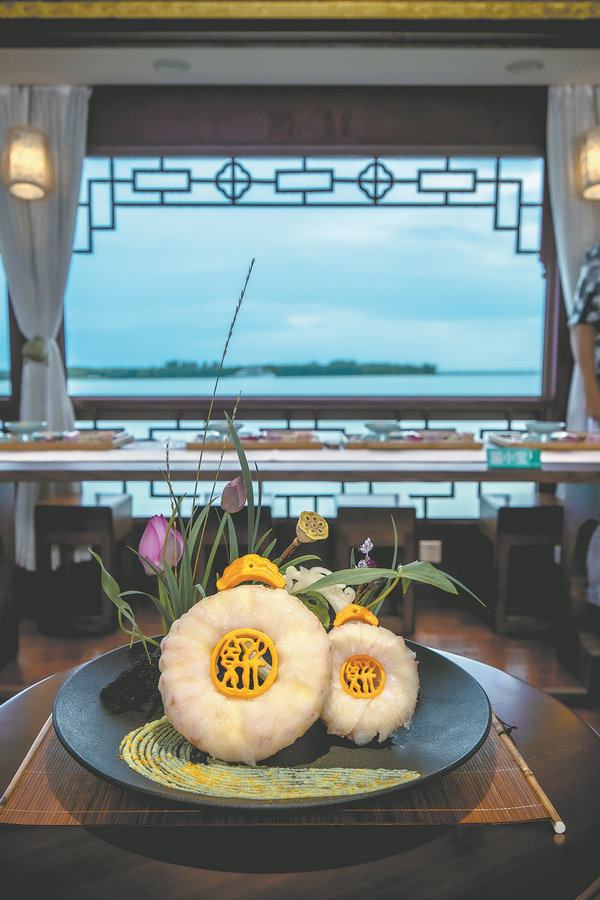
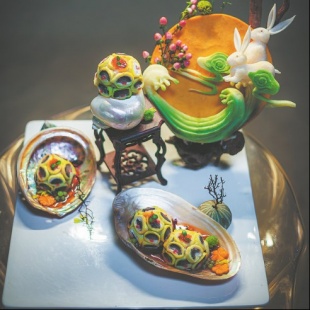
From selecting the most experienced chef to searching for ingredients in a local market, the celebrities managed to re-create Jinji Yukuai, which requires seven ingredients, including oranges and chestnuts, to make the dipping sauce, which is poured over thinly sliced fillets of bass.
An interesting anecdote about Suzhou bass was recounted during a visit to a memorial hall to Zhang Han, a Western Jin Dynasty (265-316) official, famous for quitting his government job in the then capital of Luoyang, Henan province, because he missed the bass dishes of his hometown.
Wang Xuanyi, the show's chief director, says that the crew previously worked on National Treasure, a popular cultural TV show about the most valuable items in collections of some of China's top museums.
"We want modern audiences to discover the depth of Chinese food culture. A delicious dish is not just a source of pleasure for literati and a delight for the taste buds, it also carries a nostalgia and deep affection for the hometowns," says Wang.
"We have all been focused on producing programs rooted in Chinese culture for many years, and the experience inspired us to dig out fresh perspectives, while we were brainstorming for A Taste of History," Wang adds.
Mentioning the famous quote, "to the people, food is heaven", by Western Han Dynasty (206 BC-AD 24) historian Sima Qian, Wang says that she and her fellow creators are curious about the main dishes enjoyed during different dynasties, and how distinctive methods of preparing food have shaped the way of life.
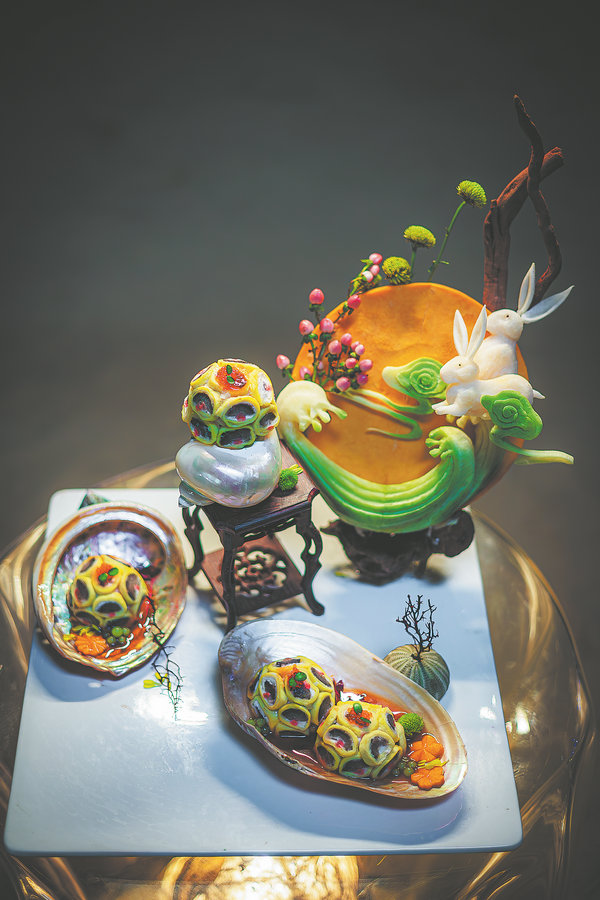
In their quest for answers, the crew traveled to the coastal city of Yantai, Shandong province, guided by a Qing Dynasty (1644-1911) book, to re-create a dish that combines pomegranates with sea cucumbers. Additionally, they endeavored to re-create a popular and exquisite method of making baozi, or stuffed steamed buns, during the Northern Song Dynasty (960-1127), according to scriptwriter Sun Heqi.
"We hope that the program will create a connection between modern audiences and interesting moments in history. For instance, bass, which is now commonly found on ordinary dining tables, was once the most desired flavor of Zhang Han, the idol of legendary poet Li Bai. Steamed buns, a normal breakfast food for most of us, were once one of the most sought-after delicacies in the capital of the Northern Song Dynasty," Sun says.
Interestingly, the show also relies on archaeological discoveries to study how people infused their perception of nature and the universe into food preparation. For example, in the episode filmed in Suizhou, the production team visited a museum and found a piece of bronze ware used by the chef of the ruler of the Zeng state during the Warring States Period (475-221 BC) to steam beef.
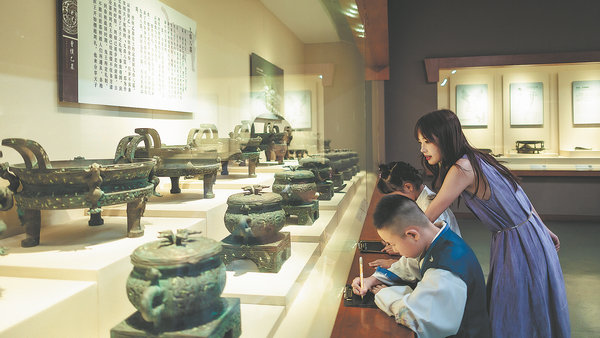
In the decorations on the ancient steamer, Wang says that they could see the ancient understanding of nature, with the utensil's top symbolizing the heavens and the bottom representing the earth.
"By exploring the recipes of renowned dishes from ancient books and drawing inspiration from artifacts, it felt as if we were engaging in a time-travel conversation with our ancestors. We hope the show will introduce traditional culture into the lives of contemporary individuals," she says.
On Sina Weibo, the show has amassed over 820 million clicks and sparked around 80 trending topics.