


Discoveries enhancing our story










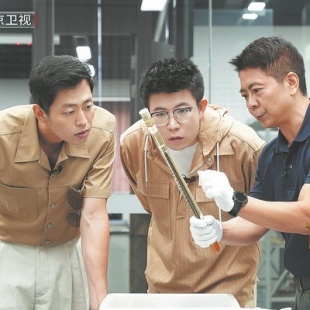
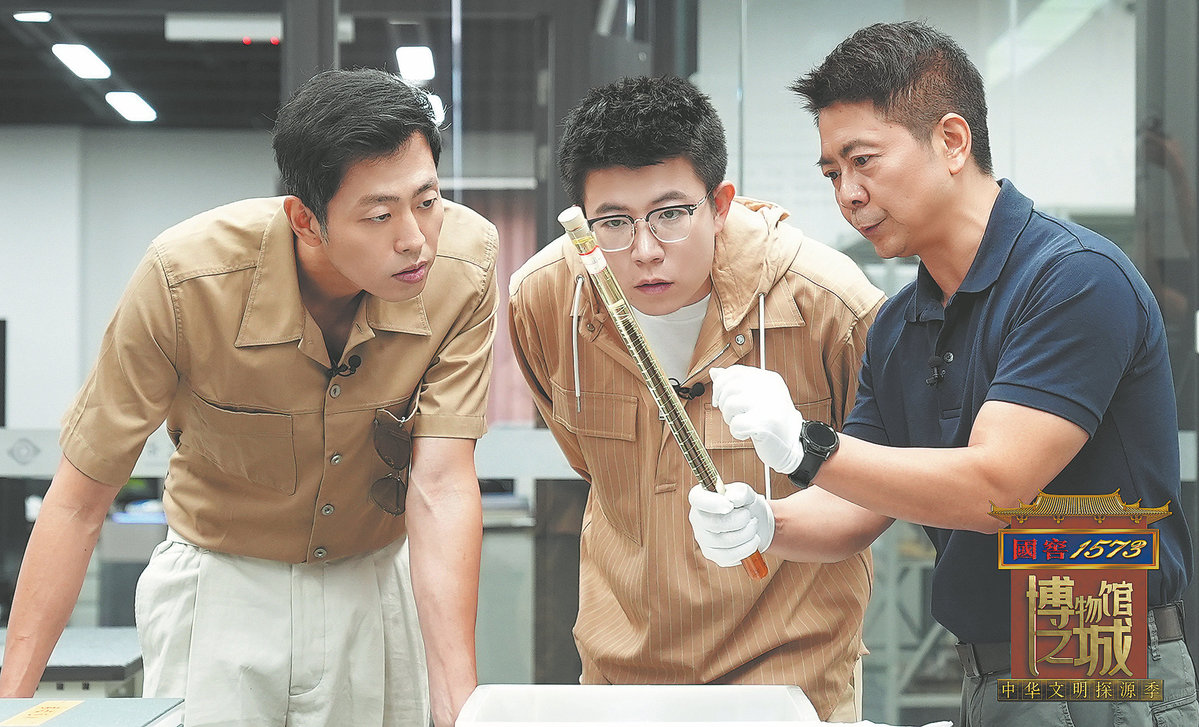
In an observation room in the Hunan Museum in Changsha, people wearing masks and gloves were shown the remains of robes made of silk wadding with magnifiers. After a while, one of them asked, "Were there words on the silk?"
The query was confirmed by experts, who told them that the words on the robes were the latest discoveries from artifacts unearthed from Mawangdui, a tomb from the Western Han Dynasty, in Changsha, Hunan province. This site made global headlines with the discovery of a perfectly preserved female corpse in 1972.
Along with the body, a great number of silk fabrics, seals, silk paintings, musical instruments and lacquerware were unearthed as well. Even after so many years, studies of the artifacts are still ongoing.
Last year, scholars discovered on the robes the words anle ruyi, changshou wuji, auspicious phrases that mean "blessings of happiness, things going as one wishes, and longevity". They are the earliest discovered silk textiles with words that form a complete sentence ever found in China. Scholars believe that the words were woven by mechanical devices more than 2,000 years ago.
This scene is from the second season of The City of Museums, a program focusing on cultural relics and museums produced by Beijing Radio and Television Station and the Beijing Municipal Cultural Heritage Bureau, which aired recently on Beijing TV.
The first season focused on museums in Beijing while the new one expands to cover top-level museums and archaeological sites across the country over the course of 12 episodes.
The new season focuses on 12 types of cultural relics at the peak of their popularity like jiandu, or wooden and bamboo strips with texts inscribed on them, during the Western Han Dynasty, jade of the Erlitou Culture, which existed from the 18th to 16th century BC, and Shang Dynasty (c. 16th century-11th century BC) bronze vessels, according to Jing Sisi, producer of the program.
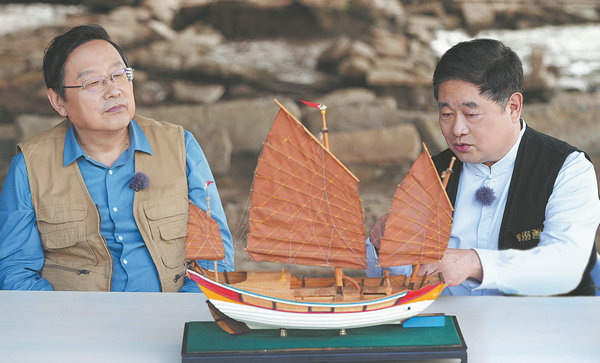
Museum and archaeological professionals like Shan Jixiang, an expert on cultural heritage and former director of the Palace Museum in Beijing, and Wang Wei, director of the Chinese Academy of Social Sciences' Academic Division of History, appear in the production with celebrities like actors Wang Yaoqing, He Bing, sports star Xu Mengtao and dancer Zhu Jiejing. Together they explore history in museums and at archaeological sites.
The season traces the origins of Chinese civilization, highlighting a comprehensive national research program launched in 2001.
According to Wang Wei, Chinese civilization has continued to today without interruption. Tracing some of the creations in its long history is meaningful. "We focus on many facets of daily life that seem to be so ordinary that people often ignore them. We want people to know how they evolved, including our jade culture, silk textiles, wine culture, architecture, animal husbandry and farming," said Wang at a seminar on this production in Beijing in August.
Jing says the production wants to create an immersive feeling of participating in the archaeological work for the audience. "Where were the artifacts in museums from and what were they like when newly excavated? How did they finally get to museums? Are there any stories related to excavations? We focus on the whole process, which I believe is interesting enough to arouse the curiosity of the audience," says Jing.
Leng Song, a researcher with the Institute of Journalism and Communication at the Chinese Academy of Social Sciences, says when watching the show, the audience feel like they are uncovering something mysterious, which is attractive to young people.
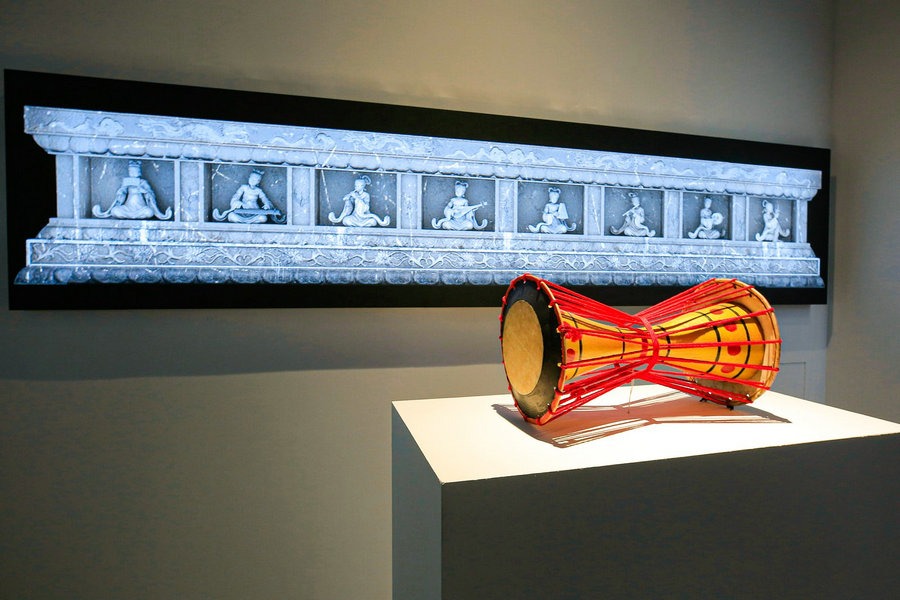
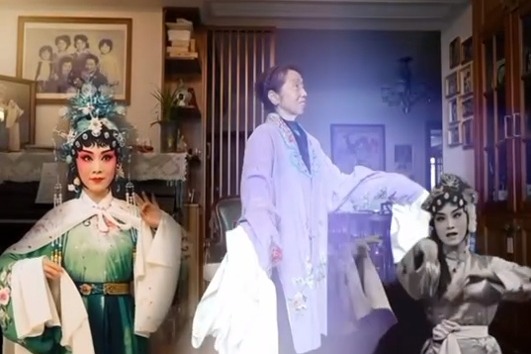
For example, in the 4th episode about music and dance culture in the Tang Dynasty (618-907), the film crew went to the Tang capital Chang'an (today's Xi'an, Shaanxi province) to seek traces of the music and dance of the time at the Shaanxi History Museum. They found dancing pottery figures, and images of musical instruments on some artifacts displayed at the museum.
Later, they were taken to visit the tomb of Li Xian, an elder brother of Emperor Li Longji of the Tang era, who had a special love for music and dance. They found the murals inside it show scenes of music and dance with a band, dancers and an audience, and got to know the story of Li Longji, and his four siblings, who got on well with each other. They shared a love for music and dance, and often played musical instruments together.
More archaeological elements have been added to this new season, says Jing. Some of the latest discoveries of ongoing archaeological work are shown in the program, such as a special bronze drinking vessel unearthed at the Yinxu Ruins, site of a late Shang Dynasty capital in Anyang, Henan province, and a new wharf found at the Shuomen ancient port site in Wenzhou, Zhejiang province, one of China's top 10 archaeological discoveries of 2022.
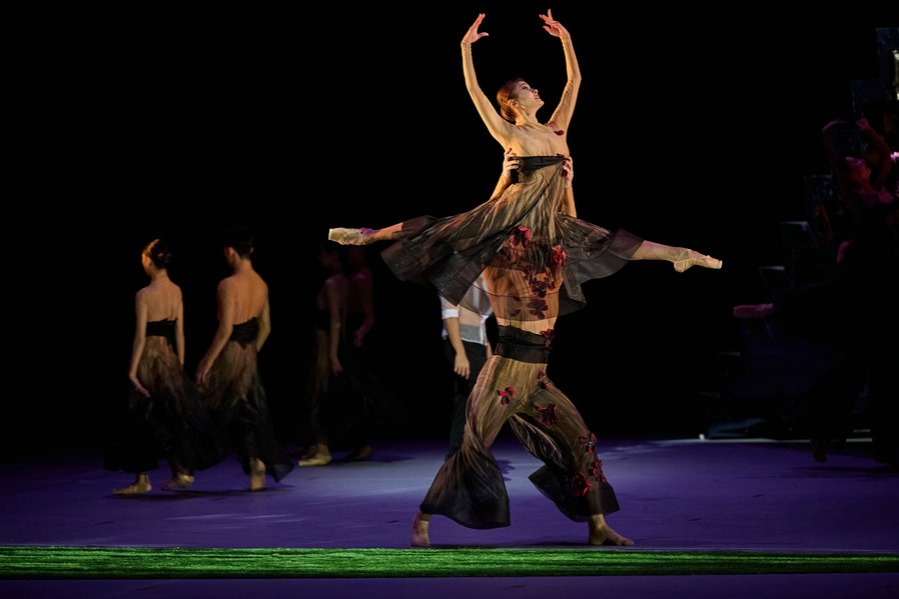
An innovative attempt in this new season is the reproduction of some scenes from history, performed by actors and actresses. "In this way, we want to give the audience a clearer understanding of stories from history and stimulate their imagination," says Jing.
The show was shot from April to August. The scorching summer, mosquitoes and other insects at archaeological sites left a deep impression on Jing. "In addition to stories about cultural relics, we also want to reveal the difficulties faced by archaeologists that are less known to the public," she says.
"It was really laborious. But we also know what we have experienced was only a small part of archaeological researchers' daily work," says Jing, "We got to know some researchers who study major sites like Yinxu, and they are often stationed at one site for decades.
"We only spent a few months studying these things, but they have spent, or will spend, their whole lifetime on them. When you do something for one day, you may find it interesting, but after a long time, you must feel bored. Therefore, we respect people who persist and regard the cause as their lifetime passion," she adds.