Chinese street dance craze shakes up the world
Joyful and exuberant, new phenomenon goes viral, provides better understanding of nation's pop culture










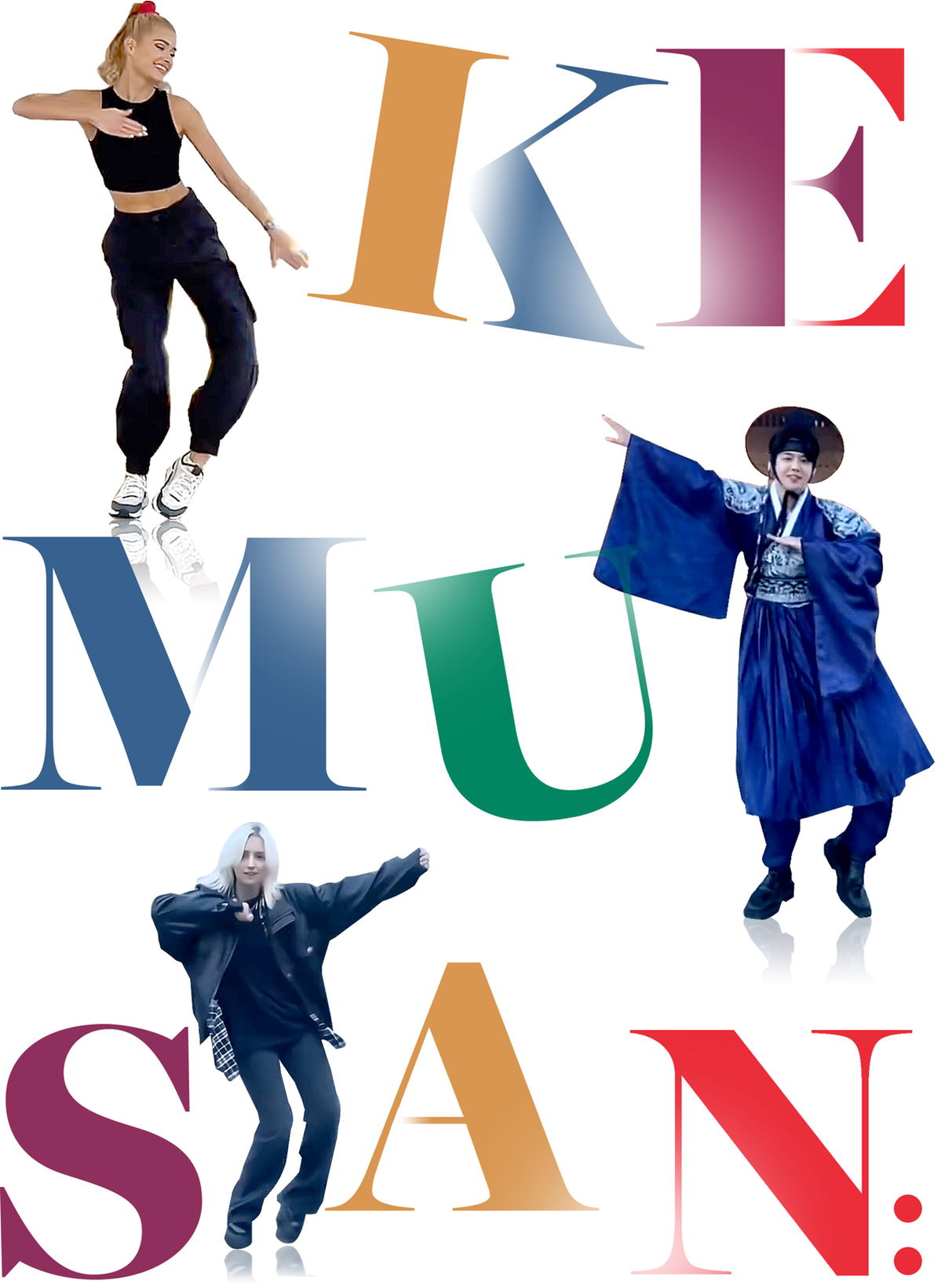
When YJIN, a leading dance influencer in South Korea, saw the kemusan dance challenge trending online, she immediately decided to film videos of her own.
With her sharp and fluent moves, the videos have received more than 20 million views since being posted in mid-December and are among the most popular in South Korea.
Kemusan means "subject three" in Mandarin, and there are several theories on the origin of the name.
A professional dancer with more than 20 years' experience and the content creator of the "Fast Dance Official" YouTube channel, YJIN said the strong beats and repetitive moves of kemusan dance, also known as Haidilao Naruto dance in South Korea, make it easy for anyone to follow.

"The interesting hand gestures, which look like ninja Naruto (from the Japanese manga series of the same name), also trigger people's desire to follow the dance moves," YJIN said.
The viral Chinese street dance has become an internet sensation, attracting billions of views in China and overseas.
Despite being considered "vulgar" by some, videos of employees at the Chinese hot pot chain Haidilao dancing the kemusan to entertain customers gained popularity last November on social media platforms such as Douyin, YouTube, and X(formerly Twitter).
Since then, people from various dance backgrounds, both professional and amateur, have flooded social media with short videos showing them twisting and jerking their limbs, flicking their wrists and swinging from side to side to the catchy beats of the Chinese song Yi Xiao Jiang Hu, or Laugh at the World.
Global phenomenon
According to videos on social media, multiple World Latin American dance champion Joanna Leunis performed the kemusan at the World DanceSport Federation GrandSlam in Shanghai last December.
Elsewhere, dancers from a Russian ballet troupe took a curtain call and sprung into the kemusan after a Swan Lake performance in Northeast China's Liaoning province in December, while South Korean boy band Enhypen did the dance during their Macao concert in January.
The reason behind kemusan going viral is partially due to the influence of Haidilao as a global brand, said Chen Lou, associate professor at the Wee Kim Wee School of Communication and Information at Nanyang Technological University (NTU) in Singapore.
"They incorporated this viral dance into their dance routine and made it more widely known to people overseas via social media and offline," said Lou.
There are many theories on the origin of the kemusan dance and its name.
The term kemusan refers to subject three of China's driving test, the practical road driving skills test for obtaining a license. One explanation circulating online is that a young man did the dance after passing his driving test so people named the dance kemusan.
Another explanation circulating online is that the dance routine was first performed by people attending a wedding in the Guangxi Zhuang autonomous region. Some netizens joked that everyone born in Guangxi needs to pass three subjects in their lives — singing folk songs, eating rice noodles, and dancing.
A village boy named Xiao Ming from Sichuan province claimed Douyin to be the original choreographer of the kemusan. His dance videos have attracted 6 million followers and nearly 80 million likes.
The large number of videos and their wide circulation makes it difficult to trace the origin of the dance. However, to young people following the trend, this is no longer important as they just see kemusan as a way to de-stress and share happiness.