Rise of Asian nations changes AI development landscape










The introduction of ChatGPT by OpenAI in November 2022 sparked a global frenzy. The historical milestone in the development of artificial intelligence ignited a race among tech giants worldwide to come up with new AI innovations.
Goldman Sachs and McKinsey have said that breakthroughs in generative AI could significantly boost global GDP. At the forefront of this revolution stand US tech giants such as OpenAI, Google and Meta, leveraging their considerable resources and talents to come up with more advanced AI applications. But this dominance is now being challenged by a wave of AI innovations in Asia.
Japan, long known for its technological prowess, has ramped up its efforts to develop AI with unwavering government support. Under Prime Minister Fumio Kishida's leadership, Japan has unveiled ambitious plans, including substantial budget hikes and tax incentives, to foster innovations in AI. The establishment of the AI Strategy Council underscores Japan's commitment to harness AI's transformative potential, with Japanese corporations like NEC and SoftBank leading the charge and developing large-scale language models, such as NEC's Cotomi and NTT's Tsuzumi, tailored to Japanese people's needs.
Besides, the Japanese government plays a key role, along with other countries, in setting international rules for AI development. In May 2023, Japan spearheaded the Hiroshima AI Process at the G7 Summit, focusing on the use of, and regulations for, AI and aiming to take a leading position in the formulation of international rules in relevant fields.
Similarly, the Republic of Korea has set its sights on becoming a global AI powerhouse under President Yoon Sukyeol's leadership. With ambitious goals to rival the United States and China in AI development capacity by 2027, the ROK is investing heavily in AI semiconductor research and development.
Last September, the ROK government introduced a new plan for AI development which says that, starting from 2024, the government will invest 909 billion won ($680 million) to promote the widespread application of AI in various fields including healthcare, education, culture and administration, and strengthen its global competitive position in the super-large-scale AI domain.
Leading ROK tech companies such as NAVER and Samsung are demonstrating their technological prowess with innovative products like NAVER's HyperCLOVA X, which can be applied to search engines, online shopping, reservations, reviews, maps and multimedia and other areas to efficiently find the desired information and products.
Additionally, initiatives like the "Hiroshima AI Accord" highlight the ROK's commitment to shape international AI regulations. ROK tech giants such as SK Telecom and LG have also invested heavily in the development of large-scale AI language models.
Apart from Japan and the ROK, other Asian countries are also making significant strides in AI development. Vietnam aims to position itself as an AI innovation hub in Southeast Asia, while Singapore seeks to lead the global AI race with substantial investments in AI computing and talent development. India, too, is investing heavily in AI projects to bolster its AI ecosystem, including a 103 billion rupees ($1.25 billion) investment this month.
The rapid development of AI in Asia poses a significant challenge to the US, which has traditionally dominated the field. While the US and Europe have long been at the forefront of AI development, the emergence of formidable competitors in Asia is reshaping the global AI landscape. With substantial government support and strong emphasis on R&D, Asian countries are fast closing the gap with the West, and positioning themselves as key players in the global AI race.
The implications of the AI boom in Asia are far-reaching. As Asian countries make significant strides in AI development, they could potentially reduce their reliance on the US' AI technologies, reshaping the global AI supply chain.
Moreover, the increase in Asian countries' capability to develop AI could lead to greater diversity and inclusivity in AI development, with non-English language models gaining prominence on the global stage.
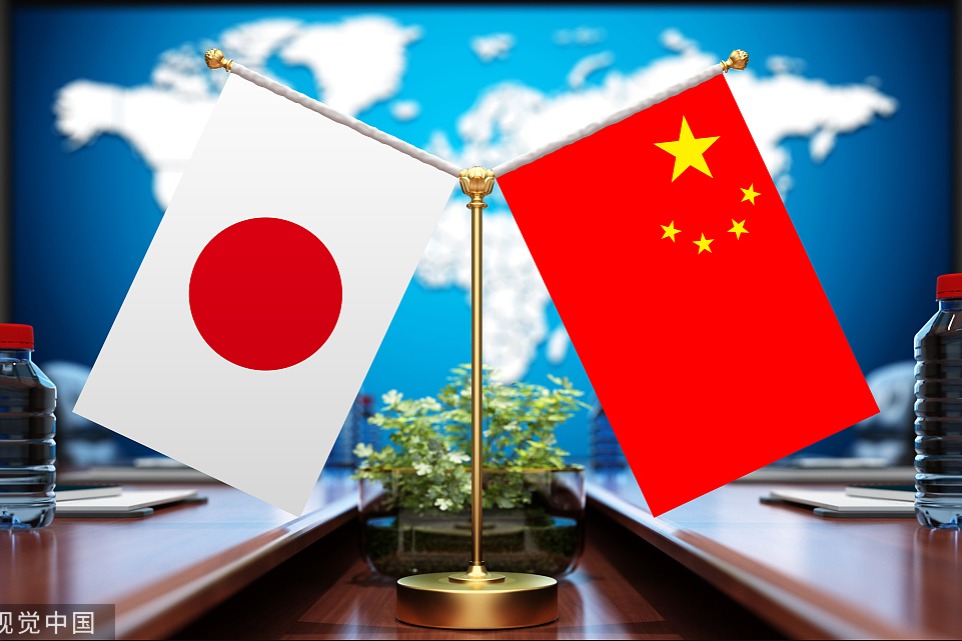
Despite the US being an AI development powerhouse, the emergence of countries like China and Japan as AI development hubs is slowly shifting the AI development balance toward Asia. For the West, especially for the US, embracing this new era of AI development and collaboration is necessary to stay ahead in the rapidly evolving technological landscape.
The author is a research fellow at the Chinese Academy of International Trade and Economic Cooperation.
The views don't necessarily reflect those of China Daily.
If you have a specific expertise, or would like to share your thought about our stories, then send us your writings at opinion@chinadaily.com.cn, and comment@chinadaily.com.cn.